00:00EditingColorCamera00:15:00
Courses

Pick your craft.
Master it.

Focused, hands-on programs in editing, cinematography, color, and motion — all taught on real work.

Start your application
How OFI courses work

Choose a craft.
Get genuinely good at it.

01 Hands-on from day one

No long theory phase before you touch the software. You start making, and you learn as you make.

02 Real footage, not exercises

You work on actual films, music videos and projects — the same material you'll handle as a professional.

03 Mentor-led and personal

Small batches mean honest, direct feedback on your work. You're coached, not lectured.

04 Portfolio-driven

Everything builds toward work you can show — proof of what you can do, not just a certificate.

Our courses

Seven crafts. One standard.

Each is a focused program with mentors who do that exact work professionally. Tap any to explore.

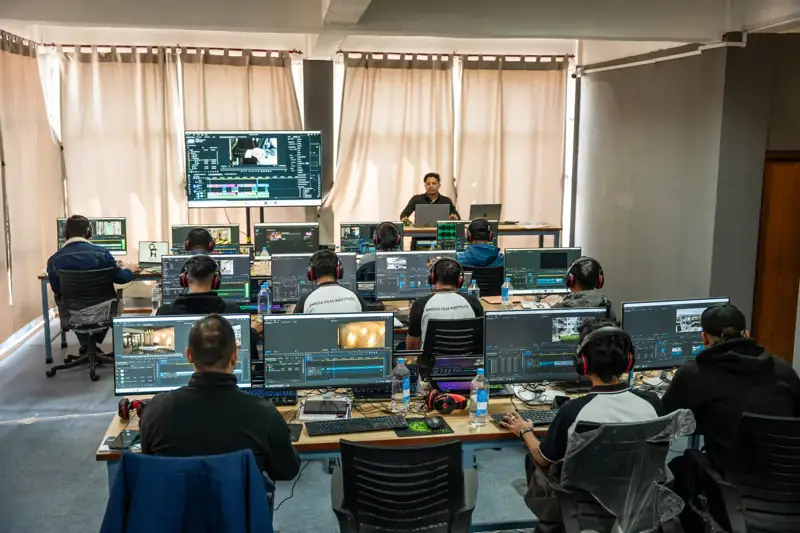
Video Editing course
Foundation

Video Editing

The skill everything else is built on.

Explore

Video Editing

The skill everything else is built on.

Learn to cut for story, rhythm, and emotion — not just to stitch clips together. You'll master professional editing workflows on real footage and walk away able to turn raw material into something people genuinely want to watch. This is the foundation of almost every job in modern media.
Adobe Premiere Pro course
Industry standard

Adobe Premiere Pro

Edit the way the industry edits.

Explore

Adobe Premiere Pro

Edit the way the industry edits.

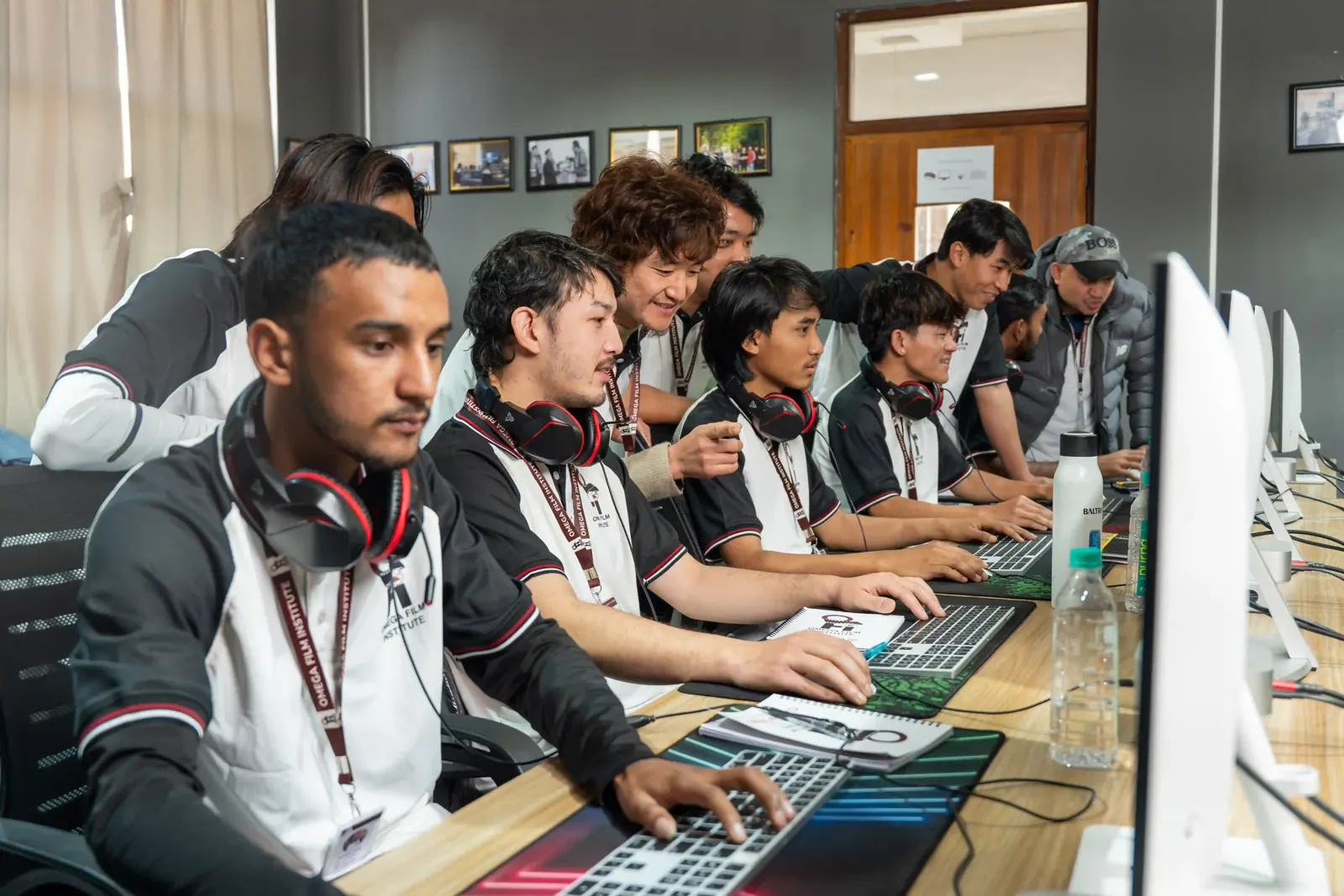
Premiere Pro runs newsrooms, agencies, YouTube channels, and production houses across the country. You'll learn it the way working editors actually use it — clean project setup, efficient cutting, audio, titles, and polished delivery — so you can walk into a professional edit suite and contribute on day one.
DaVinci Resolve course
Edit + color

DaVinci Resolve

One tool to edit, color, and deliver.

Explore

DaVinci Resolve

One tool to edit, color, and deliver.

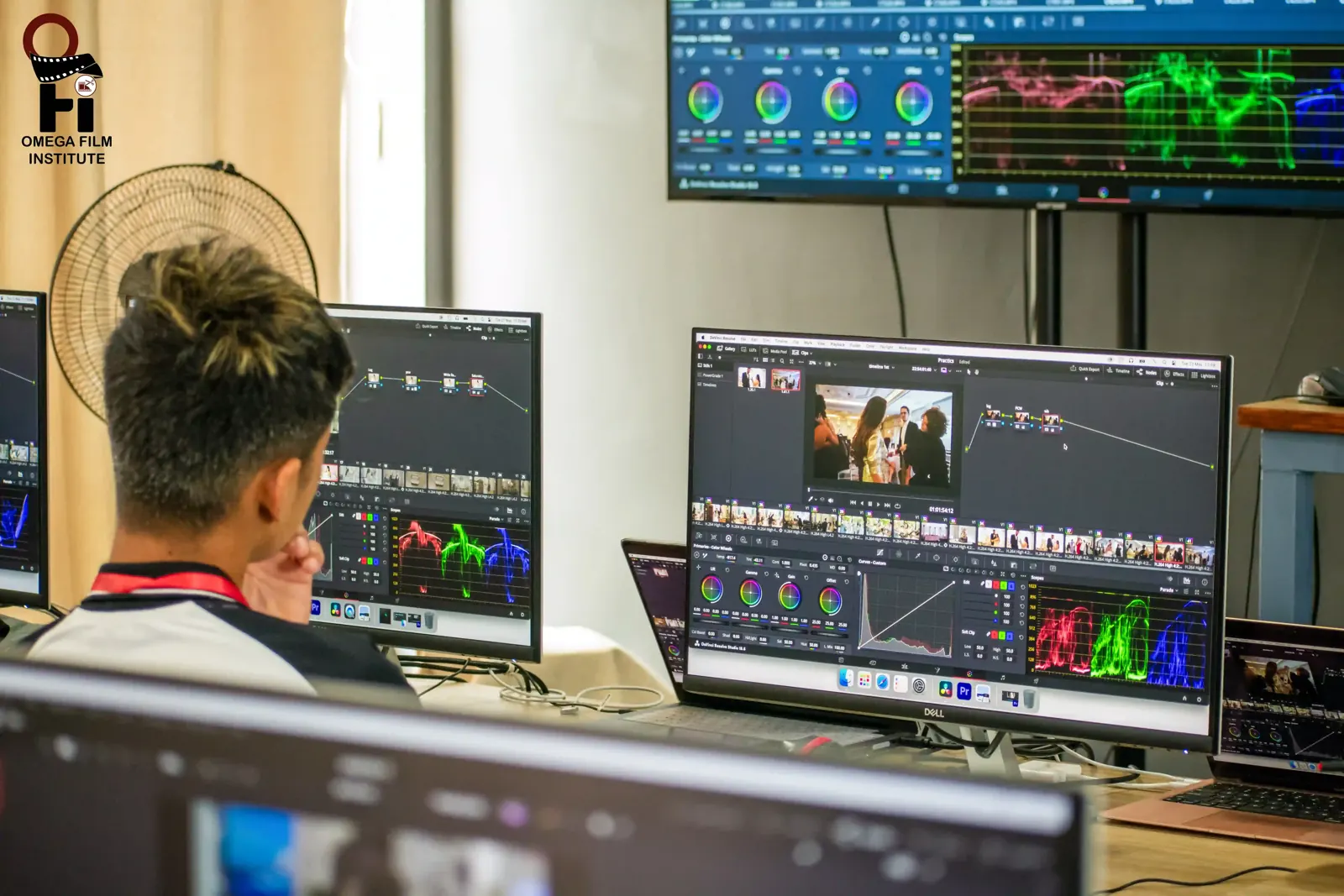
Resolve is the fastest-growing post-production platform in the world, and the industry standard for color. You'll learn a full edit-to-grade workflow and understand why so many studios are switching to it — a skill set that makes you immediately more valuable.
Color Grading course
In demand

Color Grading

Give every frame a mood.

Explore

Color Grading

Give every frame a mood.

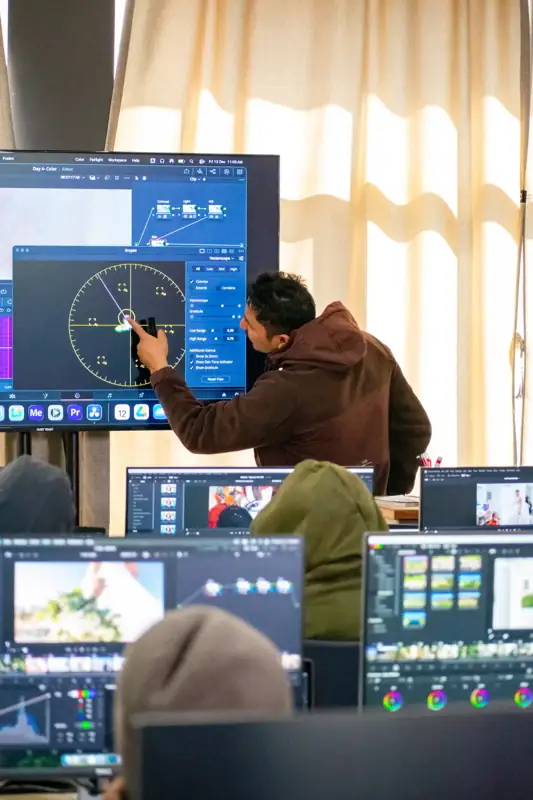
Color is the difference between footage that looks 'filmed' and footage that looks cinematic. You'll learn to balance, match, and grade real footage, and develop the trained eye that separates amateur work from professional. Strong colorists are rare and in demand.
Cinematography course
Behind the camera

Cinematography

Tell the story before a word is spoken.

Explore

Cinematography

Tell the story before a word is spoken.

Master the camera, framing, lighting, and movement. From wedding films to documentaries to music videos, you'll learn to capture footage that holds an audience and gives editors something beautiful to work with. This is where great films begin.
Photography course
The eye

Photography

Compose with intention.

Explore

Photography

Compose with intention.

Light, framing, composition, and timing — taught by people who shoot for a living. You'll build a photographer's eye you'll use on every project, whether you're shooting stills professionally or sharpening your sense of the frame for film work.
Motion Graphics course
Polish & motion

Motion Graphics

Make things move with meaning.

Explore

Motion Graphics

Make things move with meaning.

Titles, animation, and visual energy turn a good video into a professional one. You'll learn to design motion that supports the story instead of distracting from it — a skill that's increasingly essential across advertising, social media, and film.

How to choose your path

Not sure where to start?

Total beginner

Start with video editing — the foundation of modern media and the most in-demand skill. Specialise later.

Love the camera

Go for cinematography, paired with photography, if you're drawn to lighting and composing a frame.

Obsessed with the look

Color grading is for you. If you feel a film's mood before anything happens, you already think like a colorist.

Want to be complete

Stack editing, DaVinci Resolve and color grading to become a one-person finishing room studios fight to hire.

OFI
How they connect

Seven crafts, one production pipeline

These are not seven random courses — they are the stations of a real production pipeline. Cinematography and photography capture the image; video editing assembles the story; Premiere Pro and DaVinci Resolve are the professional tools of that assembly; colour grading gives the film its final look; motion graphics adds the layer of design and animation modern content demands.

Understanding the pipeline makes you better at your own station. Editors who understand how footage is shot make better cuts; shooters who understand editing shoot better coverage; colourists who understand both finish films that feel whole.

That is why many students take more than one course over time — each craft multiplies the others, and multi-skilled people are the most employable people in any studio.

OFI
Choosing your path

Start where your curiosity already is

If you are unsure where to begin, the honest answer is: begin with what you already find yourself doing. If you pause videos to study the cuts, start with video editing. If you frame photographs in your head while walking, start with photography or cinematography. If you notice colour and mood before anything else, colour grading is calling you. If animated titles and slick reels excite you, motion graphics is your door.

Video editing is the most common starting point because it is the centre of the pipeline and the most-hired skill in Nepal — every other craft becomes easier to learn once you can edit.

Still torn? Visit us. Sit in classes, see student work from each course, and talk it through with an instructor. Ten minutes of honest conversation beats weeks of indecision.

OFI
Practical hours

Most of your course happens with your hands on the work

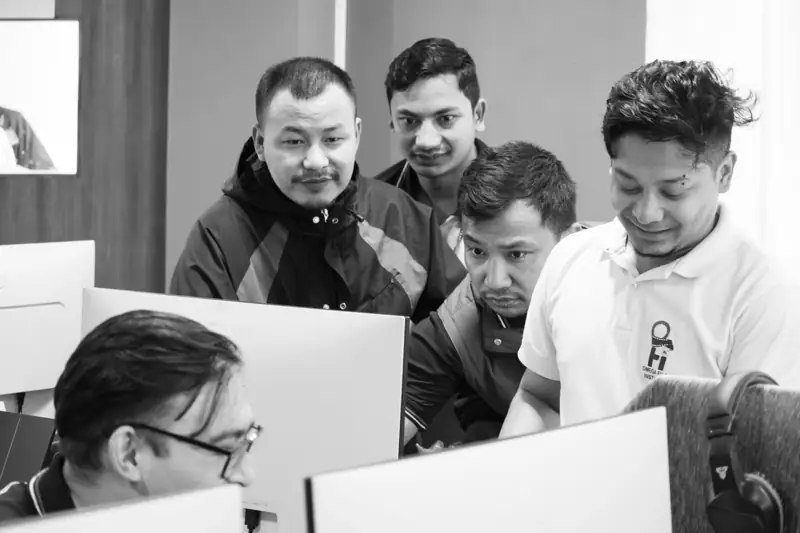
Across every program, the majority of class time is practical: your timeline, your camera, your grade, your animation — with an instructor reviewing as you go. Lectures exist to set up the doing, never to replace it.

Each course is structured around finished projects rather than chapters. You complete real pieces of work at regular milestones, receive detailed critique, revise, and move forward. By graduation your portfolio is not a promise of ability — it is the evidence.

Institute equipment covers all classwork: professional edit workstations, licensed software, cameras, lenses, gimbals and lights. You bring commitment; we supply the rest.

OFI
Mentorship

Small batches mean your work is actually seen

Every OFI batch is capped so instructors personally know each student’s work — your strengths, your habits, your blind spots. Feedback is specific to you, which is the single fastest accelerator of skill that exists.

Instructors are working professionals: they edit, shoot, grade and animate for real clients alongside teaching. What they show you on Monday is often what they delivered on Friday. That currency is impossible to fake and impossible to get from recorded tutorials.

The relationship outlasts the course. Graduates come back with questions, get pulled onto projects, and stay part of the OFI community — which is exactly how careers in this industry are built.

OFI
Common questions

What students ask before choosing

“Do I need any background?” No — every beginner course assumes zero prior knowledge, and our batches mix school leavers, college students, working professionals and self-taught creators. “Do I need my own equipment?” No — institute workstations, licensed software and camera gear cover all classwork, though practising at home accelerates everyone who can.

“Can I study alongside a job or college?” Yes — class schedules are structured so most students manage both, and we will tell you honestly during counselling whether your specific situation fits the batch timing. “Which course leads to income fastest?” Usually video editing, because it is the most-hired skill in Nepal's studios — but the honest answer depends on your interest, because you will only put real hours into a craft you enjoy.

“What if I choose wrong?” You almost cannot — the crafts share one pipeline, skills transfer between them, and our team helps every applicant match course to goal before a seat is ever confirmed. When in doubt, visit and ask.

Frequently asked

Good questions.

Which course should I start with?

For most people, video editing is the ideal starting point — the foundation of modern media and the most widely needed skill. From there you can specialise. If you already love the camera or color, you can start there instead.

Can I take more than one course?

Yes. Many students stack complementary crafts — for example editing plus DaVinci Resolve plus color grading — to become complete post-production professionals.

Do I need experience or my own equipment to enrol?

No to both. Our courses are beginner-friendly, and you can start with what you have.

Will these courses help me get a job?

That's how they're designed. You build employable skills and a real portfolio, and committed top performers receive direct job support and industry referrals.

Are the courses hands-on or theory-based?

Overwhelmingly hands-on. You work on real footage and real projects from the start, guided closely by industry mentors in small classes.

Pick your craft.
Start today.

Start your application