Nepal's film school for people who'd rather build a career than collect a certificate.
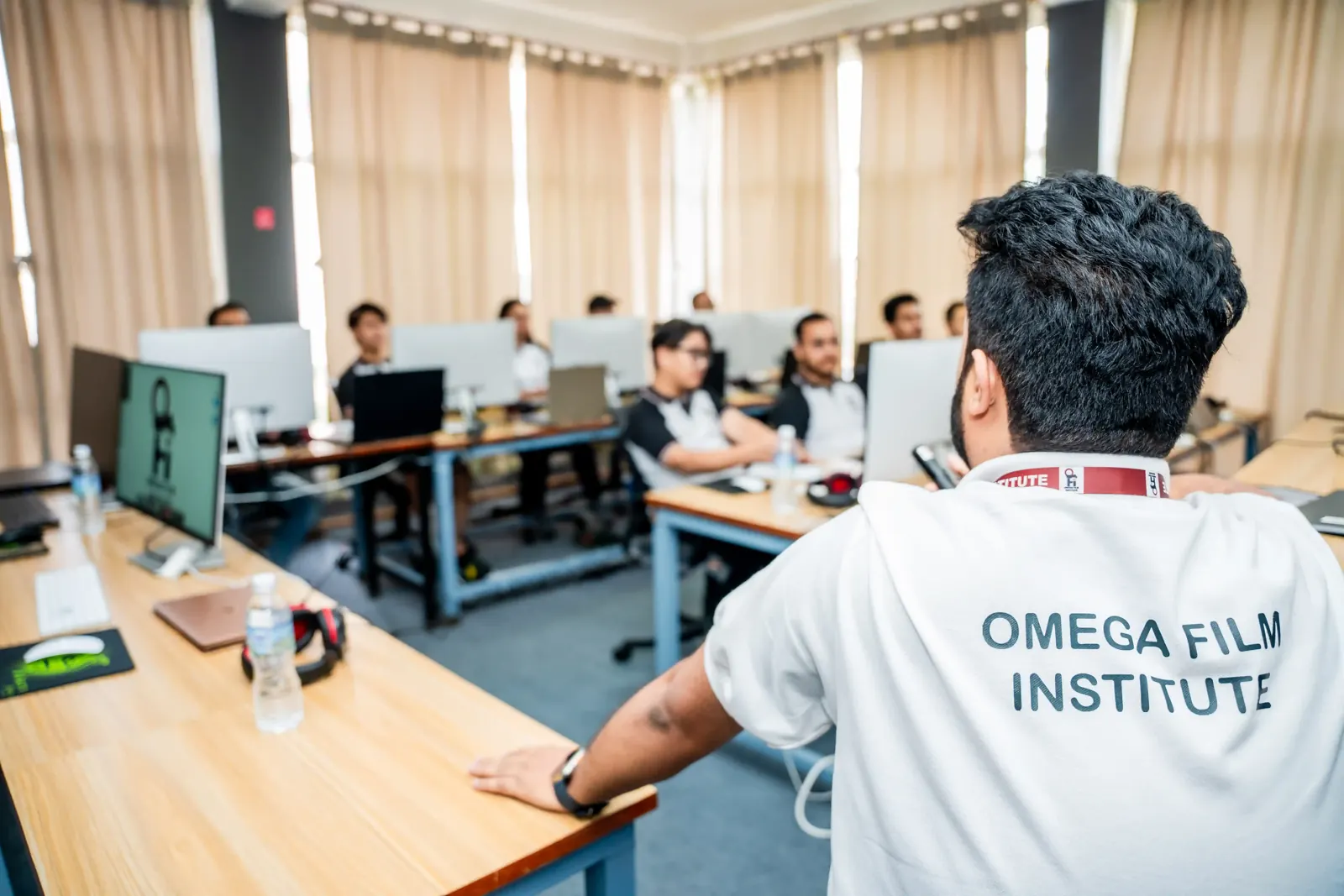
The typical course in Nepal is too much theory and too little doing — rooms full of students copying notes about cameras they never touched. So we made the opposite. At OFI you learn the way professionals actually learn: on real footage, on real timelines, beside people who do this for a living.
From your very first session you're not watching from the back of a hall — you're on the tools, making something, getting feedback, getting better. That single idea shapes everything: small classes, real projects, and graduates who leave with skills, a portfolio, and a path into the industry — not just a certificate.
You learn it with your hands on the tools, on real work, from day one.
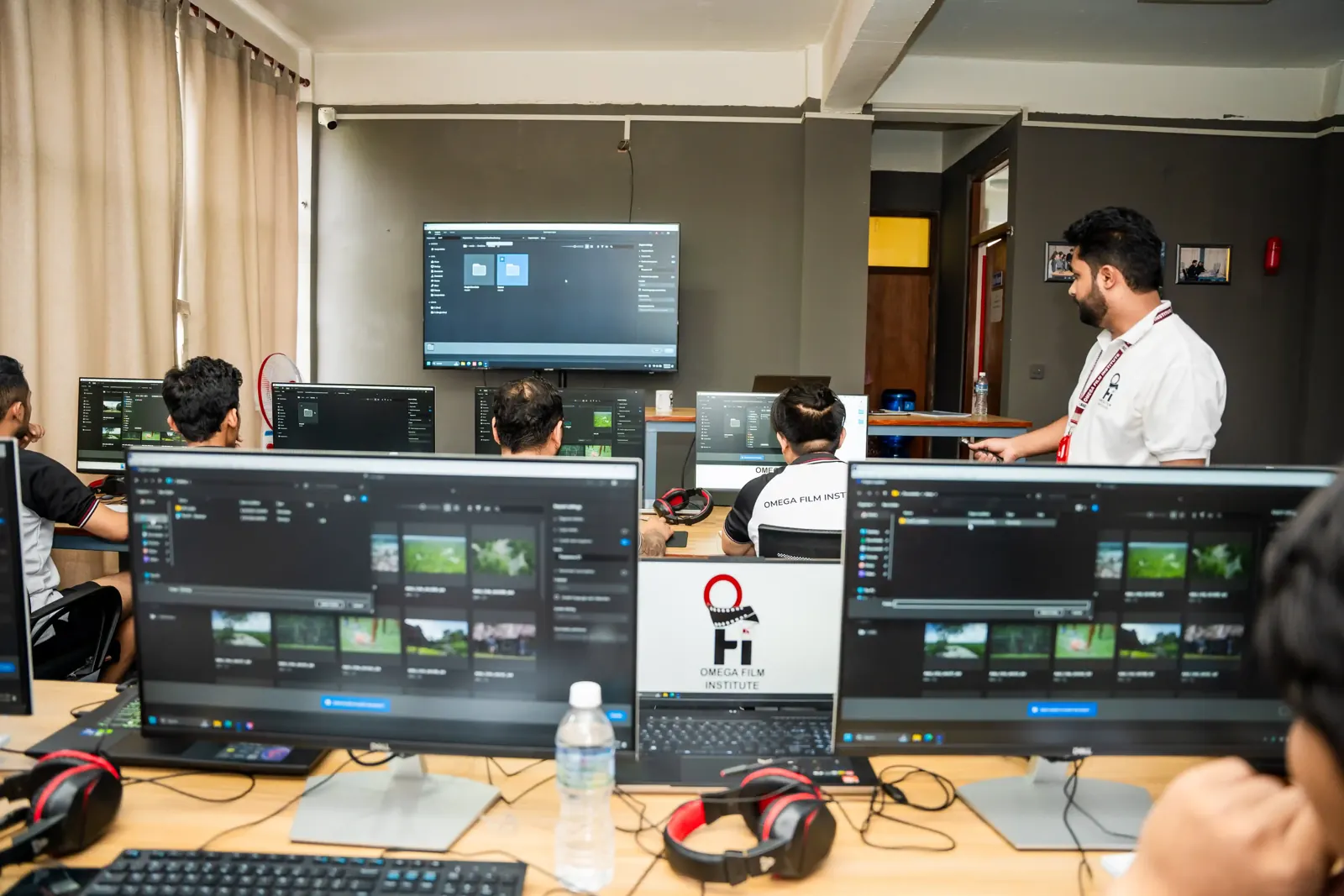
Your mentor knows your name, your strengths, and exactly where you're stuck. Real hands-on time on the tools — never a face in a crowd.
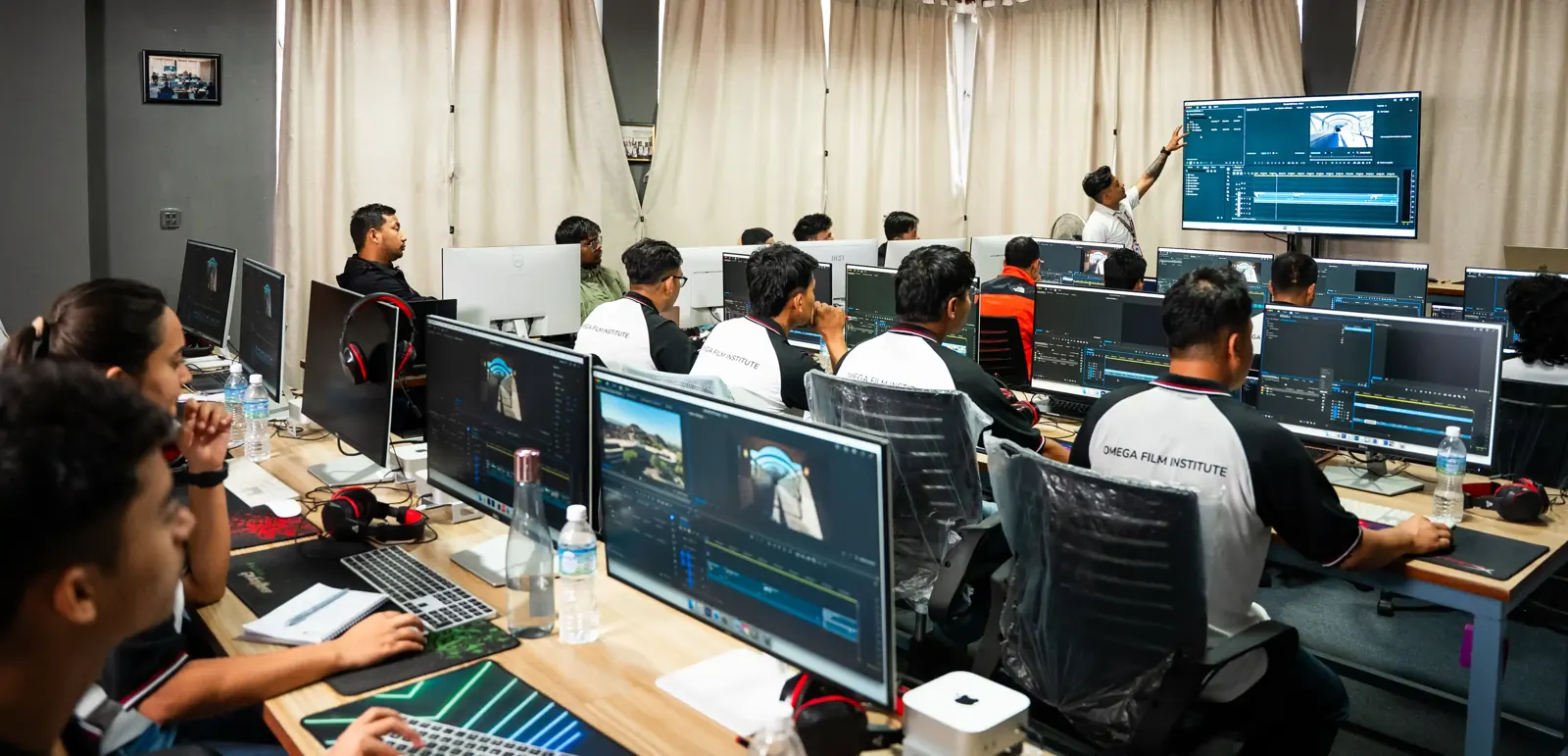
You cut, grade and shoot actual films, music videos and projects — and finish with work you can show an employer or client.
Working editors, cinematographers and colorists — not lecturers reading slides. They teach the shortcuts only real deadlines teach.
Top graduates get placed into real work; committed students get referred to studios that are hiring. Earned, not given — and real.
Weddings became cinematic films. Musicians needed music videos. Brands needed ads. Creators, agencies, and production houses all started competing for the same thing: people who could actually edit, shoot, and finish professional work. The demand was everywhere. The trained talent wasn't.
We saw bright, hungry young people teaching themselves in fragments, and families investing in courses that left their children no closer to a job. OFI exists to close that gap — we turned the real workflows of working professionals into a clear program that takes you from beginner to employable, one real project at a time.
Real projects, cut and graded the way the industry actually works.


Never touched editing software or held a pro camera? Many of our best students started with zero experience and a lot of curiosity.
Already shooting or cutting? We sharpen the rough edges and turn hobby-level skills into professional ones.
Drawn to creative work? Film and editing are among the most in-demand skills in Nepal's growing digital economy.
Already making content? Get the craft, polish and credibility to charge what you're worth.
Film, editing, and visual content are no longer a risky "creative dream" in Nepal — they're a fast-growing industry. Weddings, music videos, advertising, social media, and corporate films all need skilled people, constantly. A trained editor or cinematographer can build a stable freelance income, join a studio, or grow a creative business.
What worries us is how many young people pour time and money into courses that lead nowhere. That's what OFI is built to prevent: employable skills, a real portfolio, and genuine job support — and accessible programs with flexible payment options, so talent, not budget, decides who gets to learn.
Small classes, real footage, working mentors, real job support — combined in one place where students actually become professionals.
Omega Film Institute grew out of a working production ecosystem — studios that shoot weddings, films, and commercial projects, and edit for clients across Nepal and abroad. We kept meeting the same problem: talented young people who loved film but had nowhere to learn it properly, and studios — including our own — that could not find trained editors, shooters and colourists to hire.
So we built the school we wished existed: small batches, professional equipment, working instructors, real footage, and an obsession with employability. Every course at OFI exists because the industry around us actually pays for that skill.
That origin still shapes everything. Curriculum changes when the industry changes. Instructors teach what they did at work that week. And students graduate into a network that has been hiring people like them all along.
Film crafts are physical skills, like music or carpentry. You do not learn them from slides; you learn them from repetitions with feedback. So OFI classes are short on lectures and long on doing: real footage on your timeline, a real camera in your hands, a mentor at your shoulder, and a deadline on the wall.
Batches are deliberately small so instructors know every student’s work personally. Progress is measured in finished pieces — edits, films, grades, photographs — that stack into a portfolio, because a portfolio is what the industry actually asks for.
Students also learn the professional habits around the craft: file discipline, backups, deadlines, client communication and how to take critique. Studios tell us these habits are why they like hiring OFI graduates.
Something happens when a group of people learn film together: they become each other’s first crew. OFI batches shoot together, edit each other’s footage, celebrate festivals together and stay connected long after graduation. Scroll our gallery and you will see it — the music, the colours of Holi, the certificate days, the street shoots.
That community is a career asset. Alumni pass each other work, recommend each other to studios, and team up on projects. Half of the opportunities in this industry travel through exactly these friendships.
We protect this culture deliberately — through small batches, shared productions, and events that mix current students with graduates and working professionals.
The fastest way to know whether OFI is right for you is to visit. Walk through the edit suites, sit in on a class, watch a review session, and talk to current students about what the course is really like. No pitch, no pressure — just the actual place.
Our campus is in Lalitpur and is easy to reach. Message or call us to arrange a visit on a class day, and bring your questions — about courses, schedules, fees, careers, or whether this path suits you at all. We would rather you choose correctly than quickly.
If you cannot visit in person, our team is happy to talk on the phone or WhatsApp and send you course details, student work and batch schedules to review at home.
Nepal's creative economy is growing faster than its supply of trained people. Wedding films have become a serious industry with serious budgets; businesses of every size now need video for social media and advertising; YouTube and content channels employ full production teams; and international studios have discovered that Kathmandu can deliver world-class post-production at overnight speed.
Every one of those trends needs the same thing: editors, cinematographers, colourists, photographers and motion designers who can actually do the work to a professional standard. Right now demand comfortably outruns supply, which is precisely the moment when training pays best.
OFI exists to close that gap from the supply side — one small, well-trained batch at a time. The students in our classrooms today are the studio seniors, business owners and film crews of Nepal's next decade, and we take that responsibility seriously.
No. Our programs are beginner-friendly and built to start from the very beginning. Curiosity and commitment matter far more than any prior background.
No. You can start with what you have. We'll guide you on what's useful as you grow, but a lack of gear should never stop you from beginning.
That's the entire point of how we teach. You'll build a real portfolio and employable skills, and our strongest, most committed graduates receive direct job support and referrals.
Yes. Demand for editors, cinematographers, colorists, and content creators is growing across weddings, music, advertising, and digital media.
Small classes, real footage, working industry mentors, and genuine job support — combined in one hands-on, career-focused place.