Life at Nepal’s hands-on film school
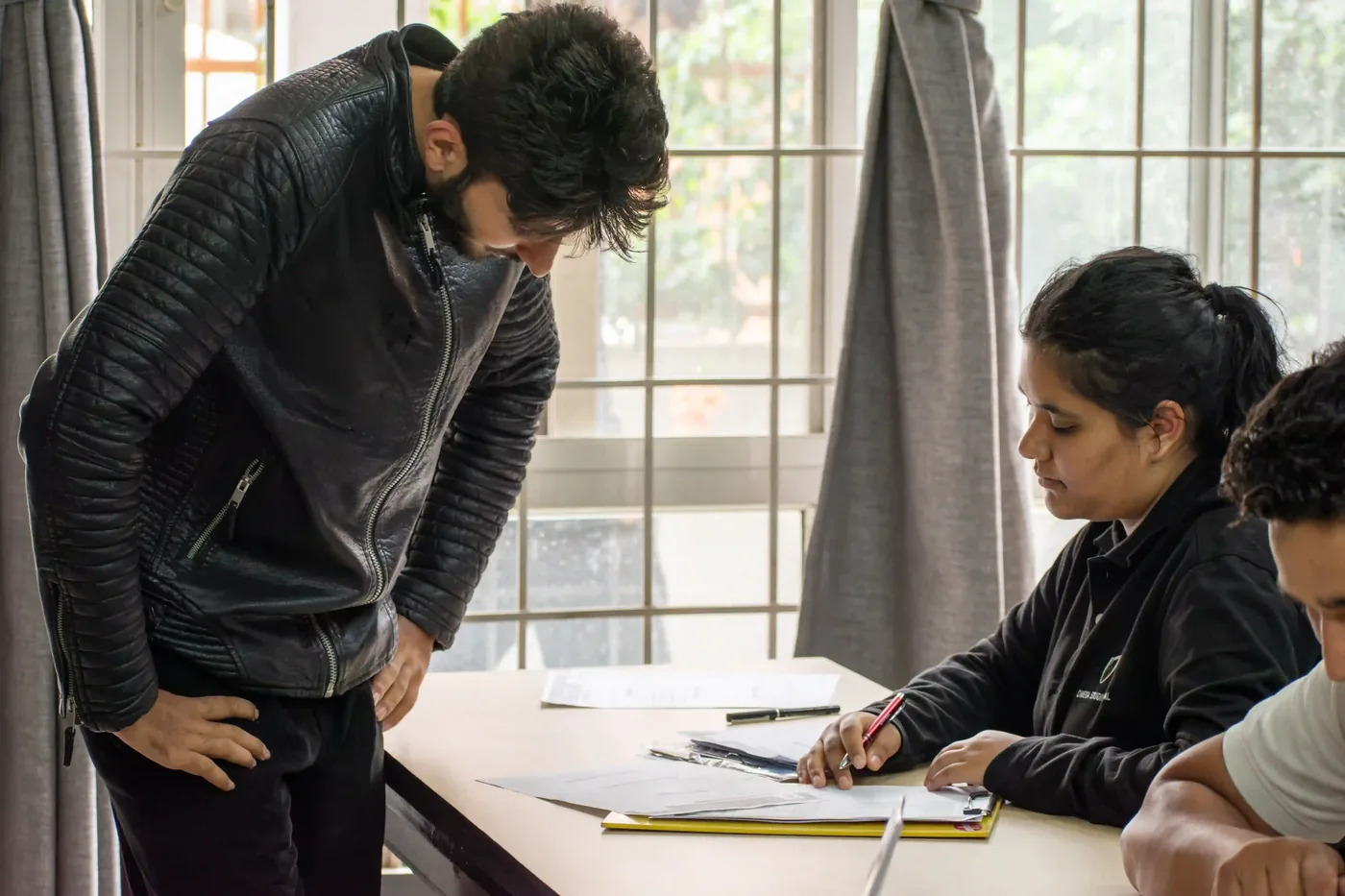
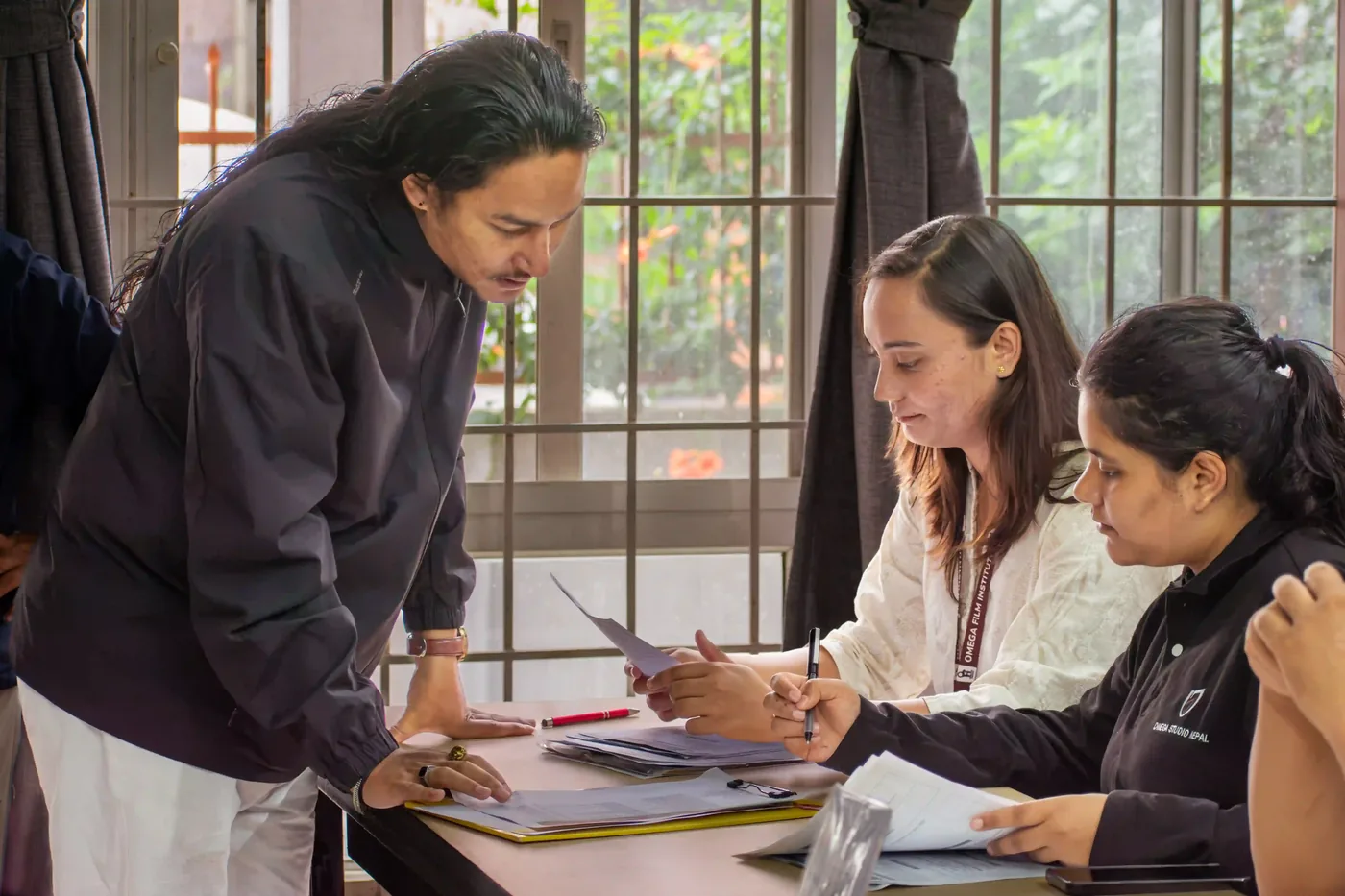
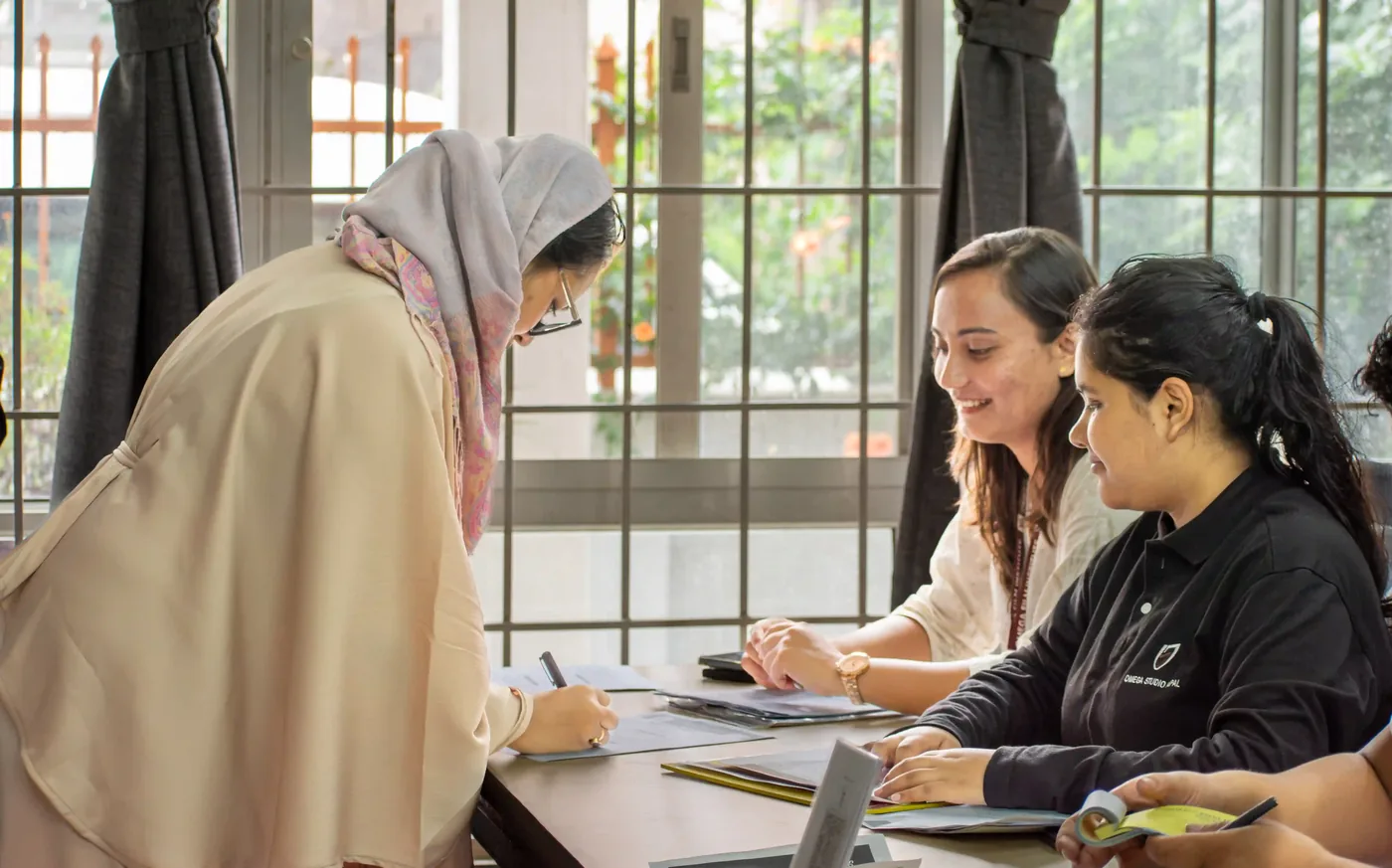
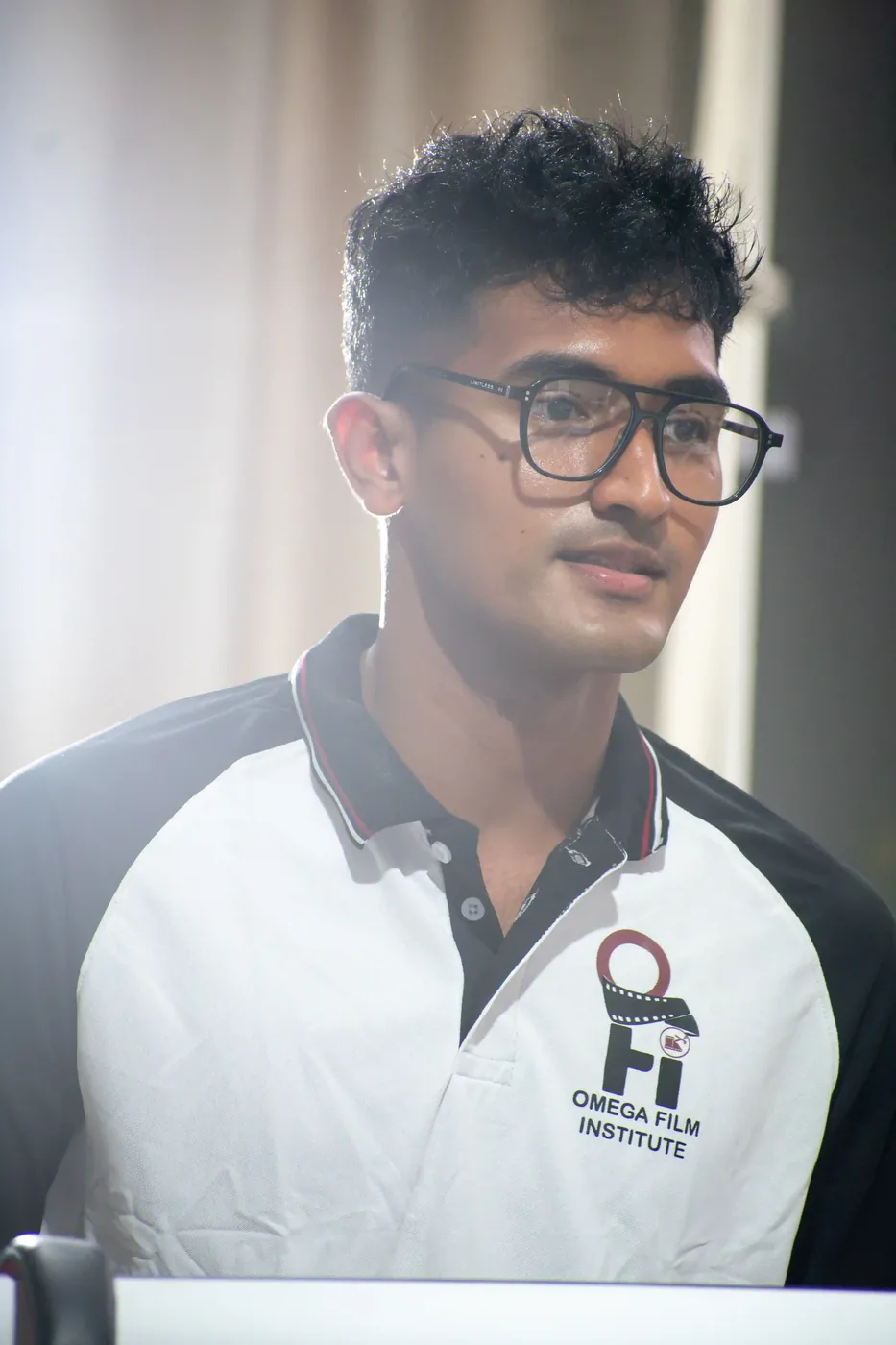
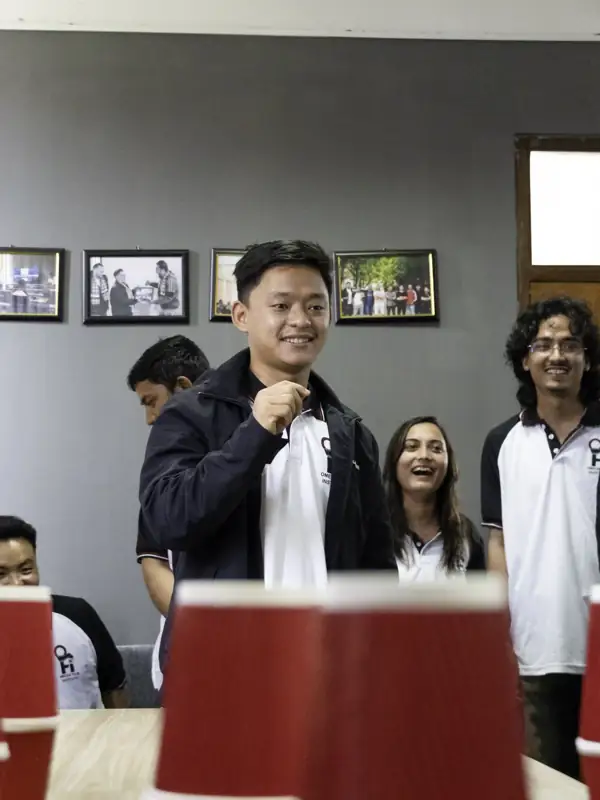
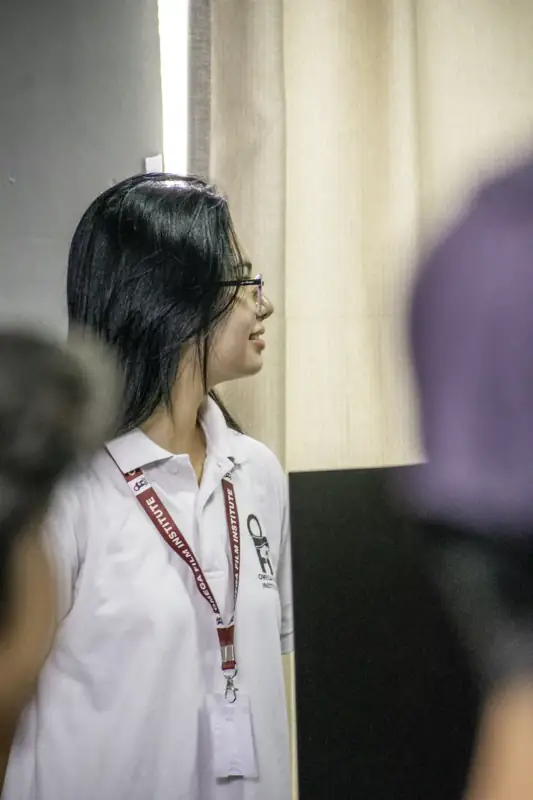
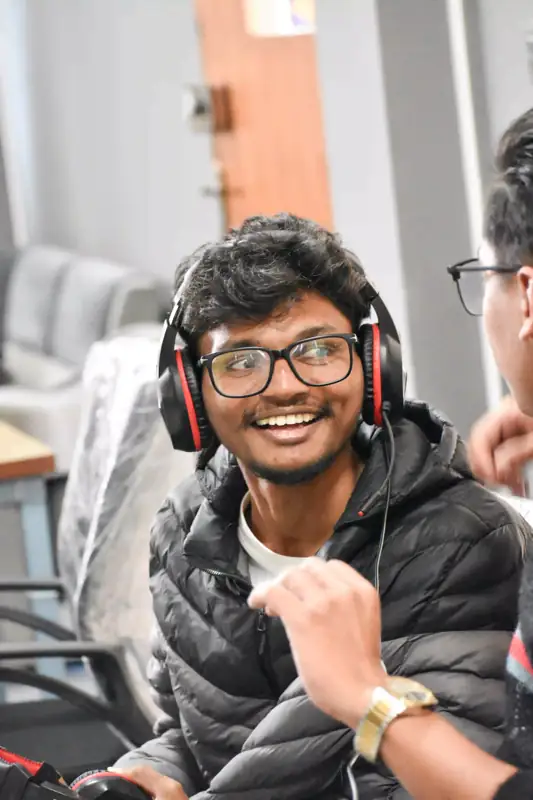
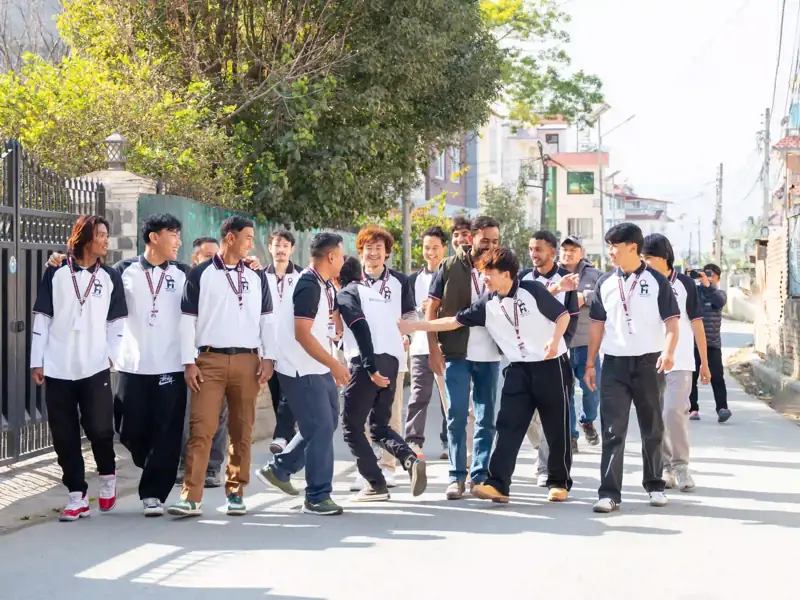
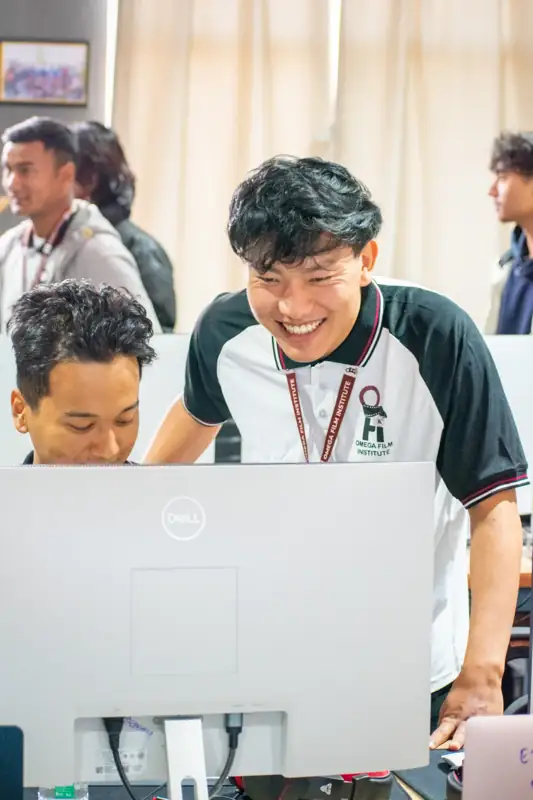
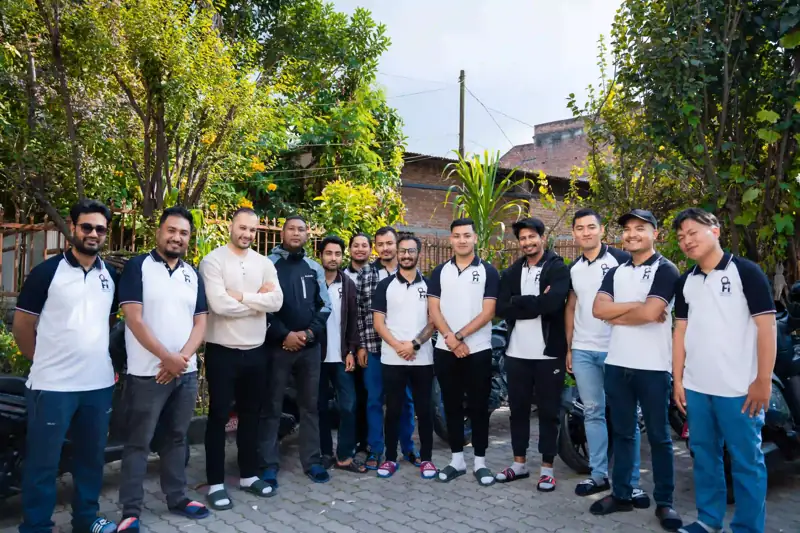
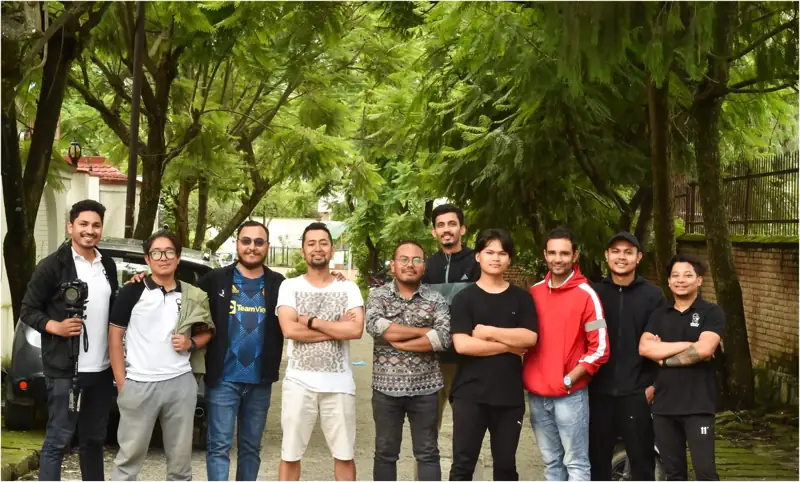
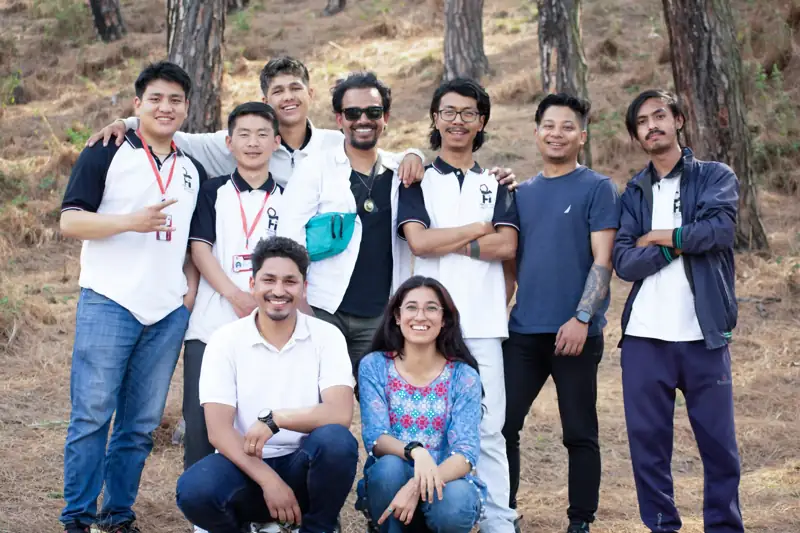
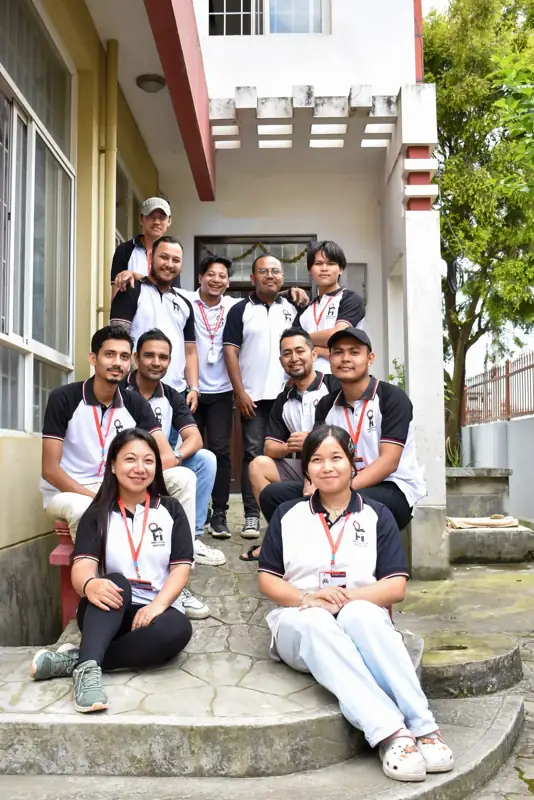
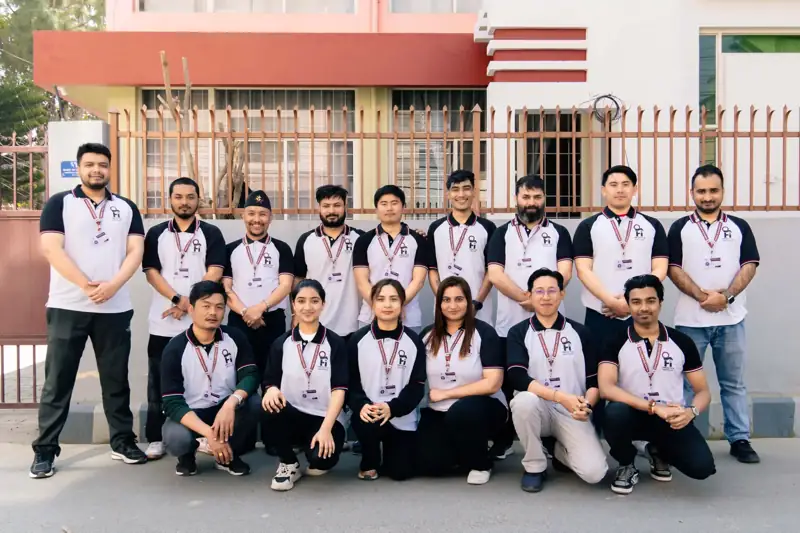
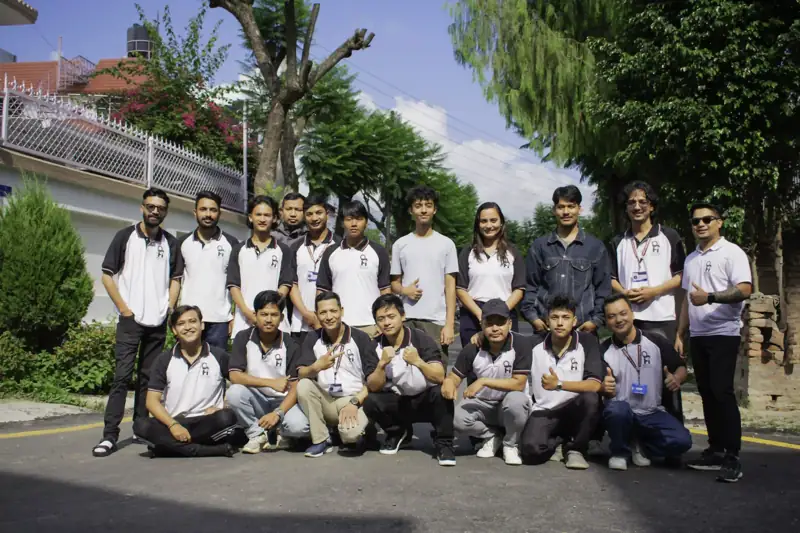
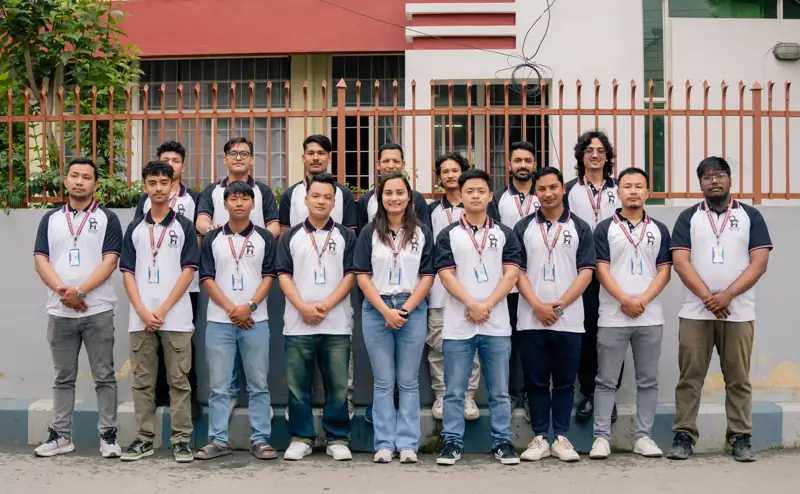
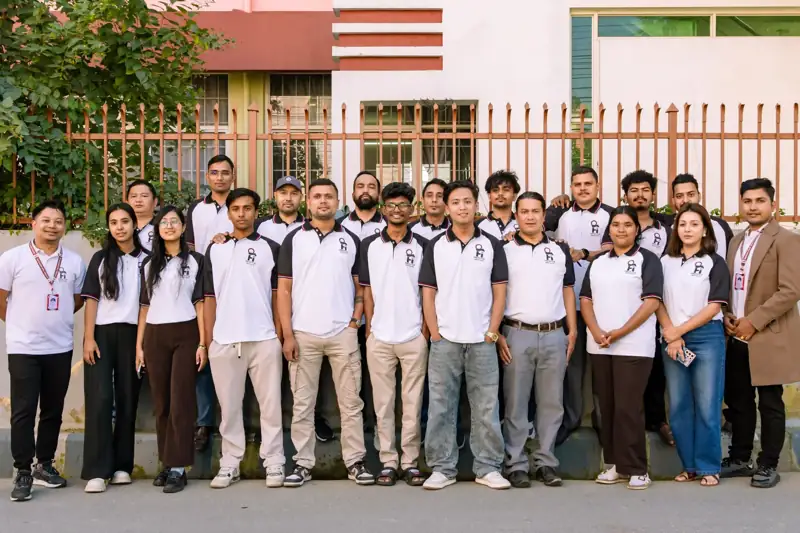
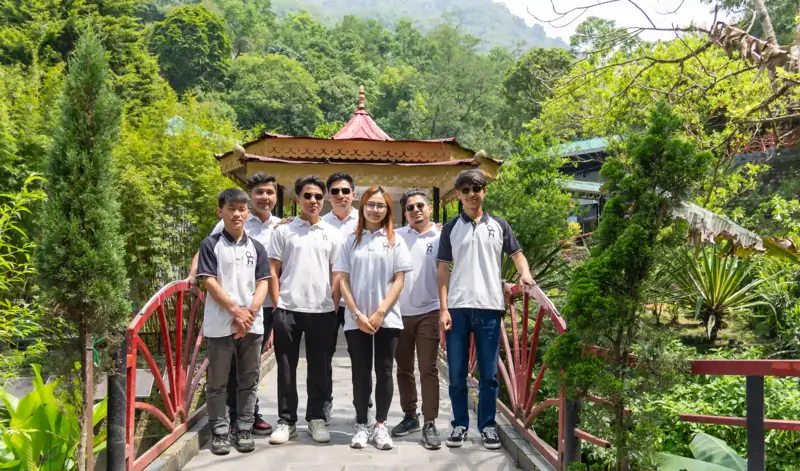
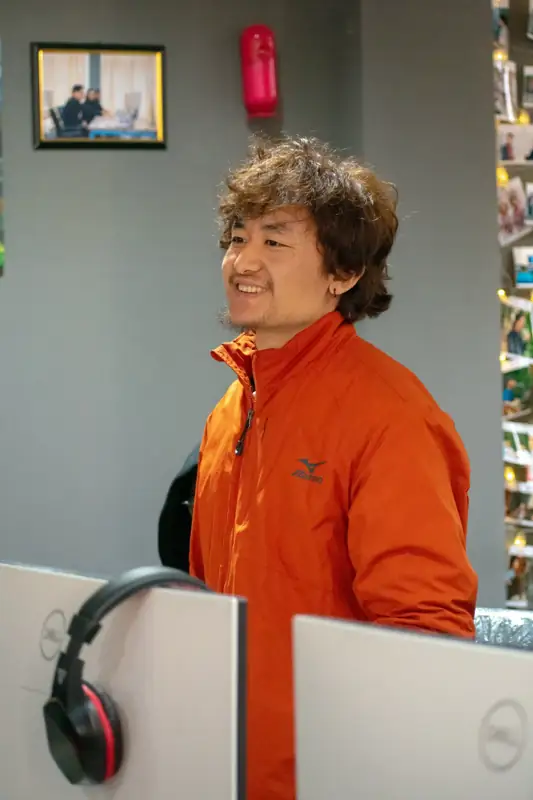
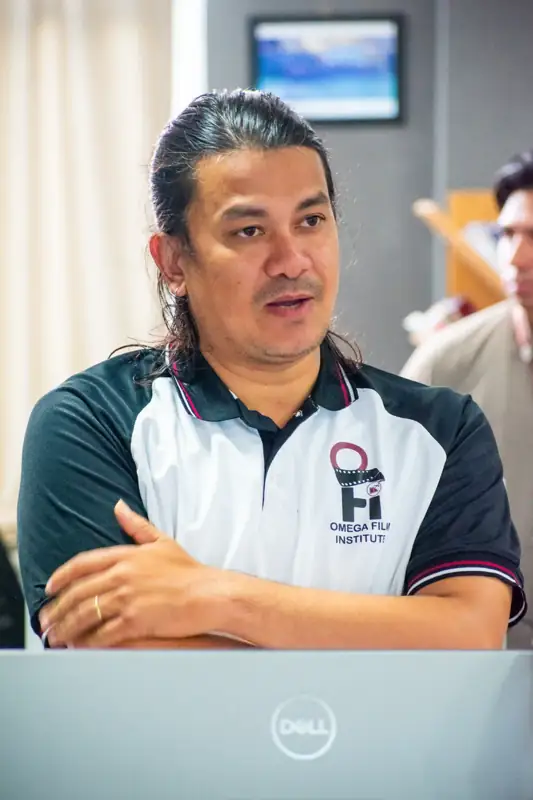
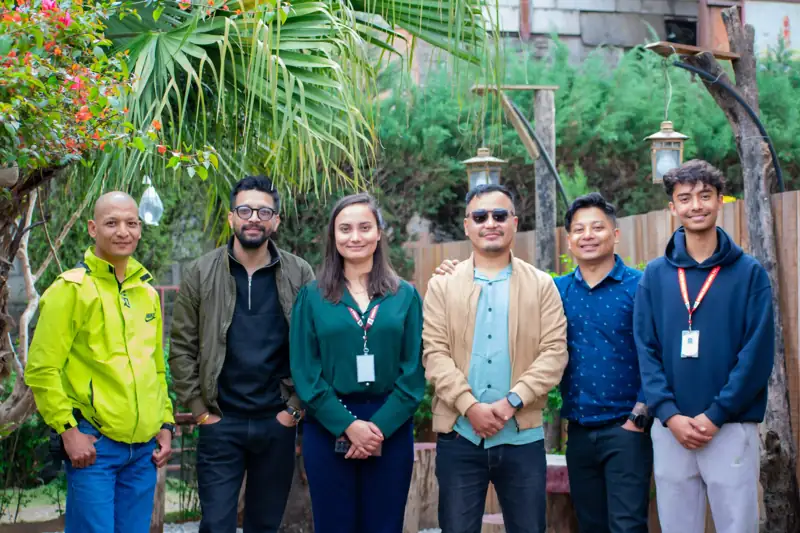
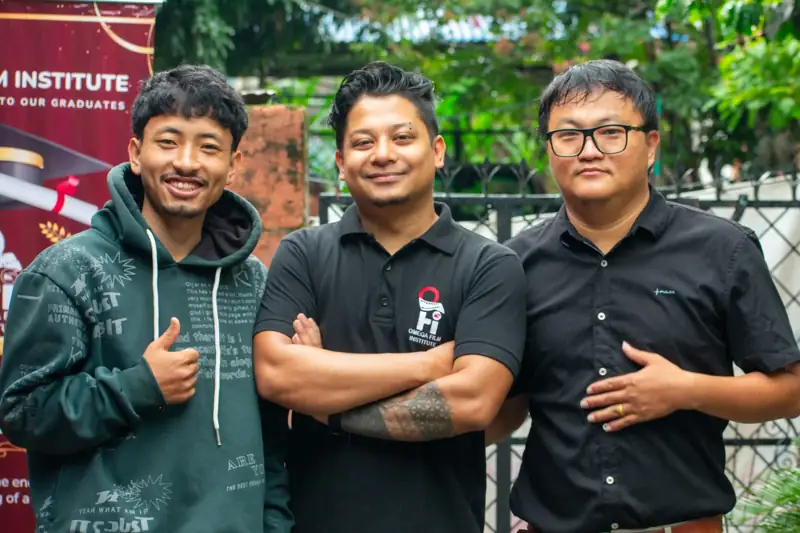
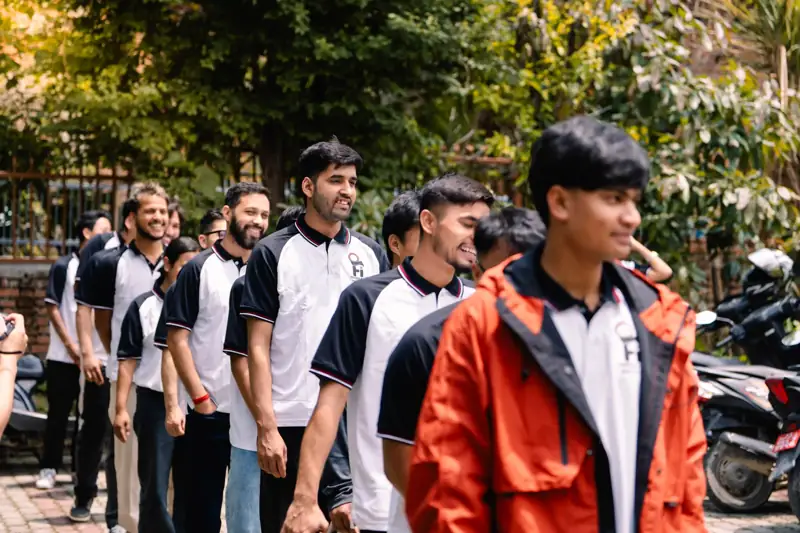
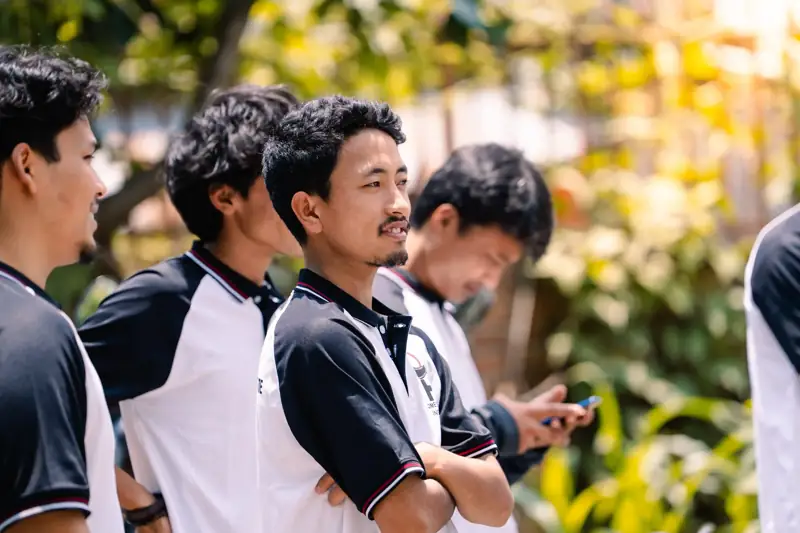
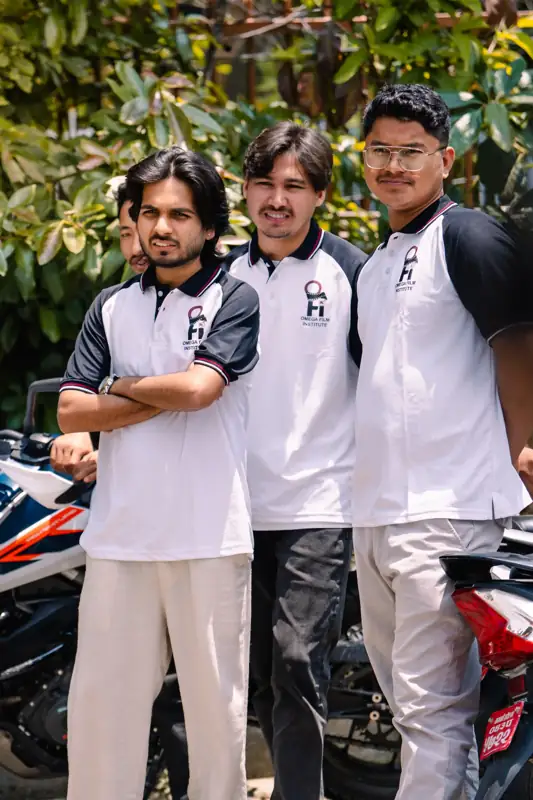
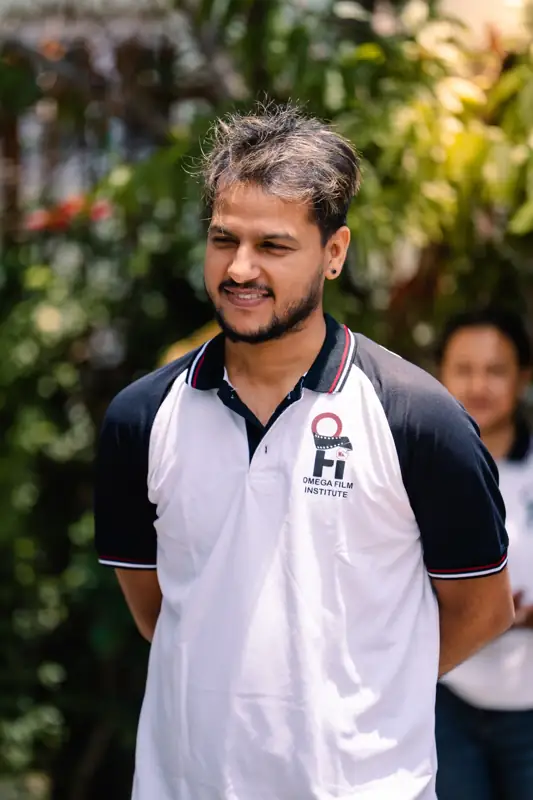
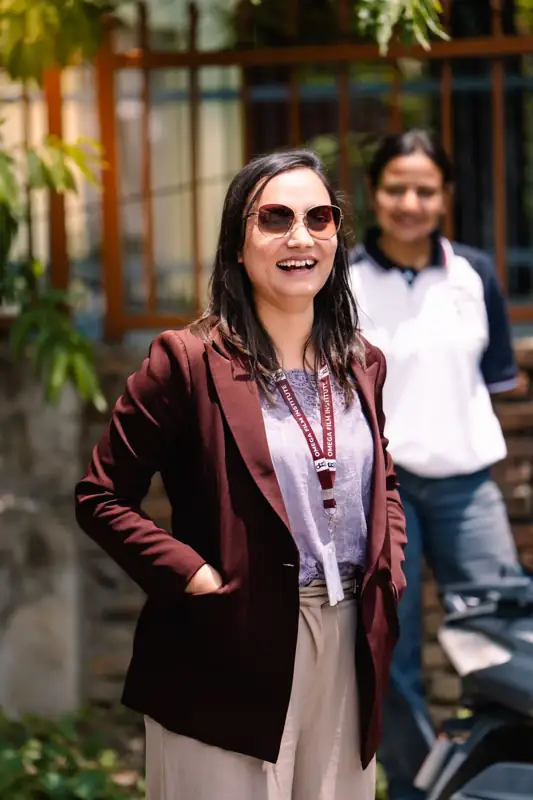
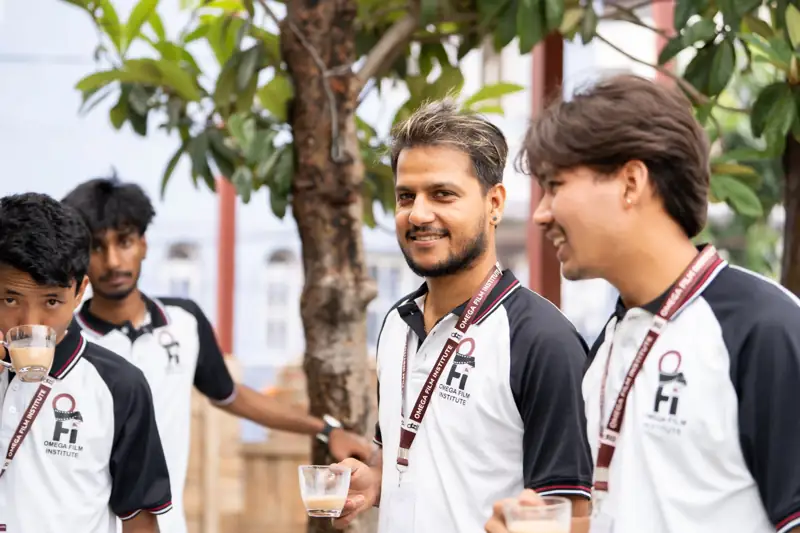
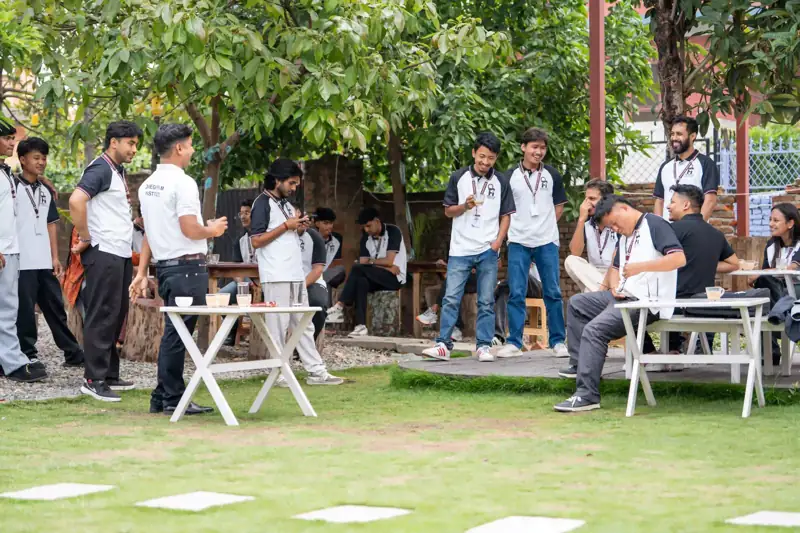
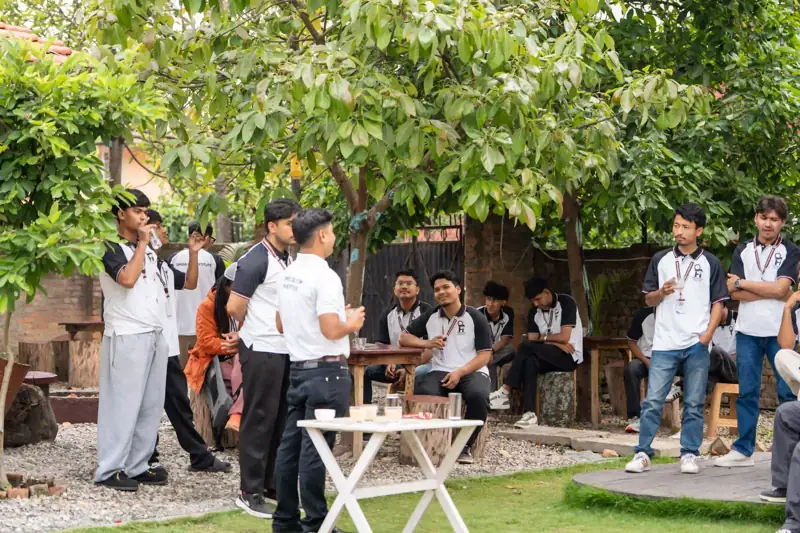
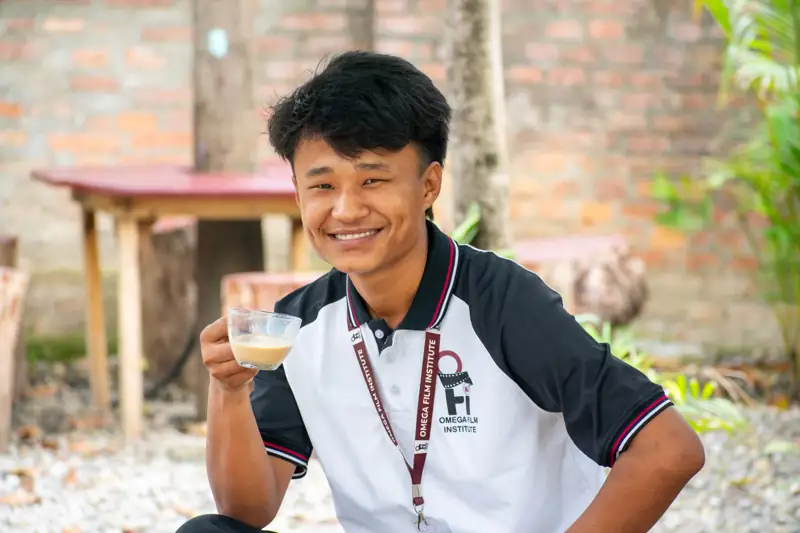
Every photograph on this page was taken in and around Omega Film Institute in Lalitpur — in our edit suites during video editing, colour grading and motion graphics classes, on cinematography and photography practicals through the city’s streets and temples, at institute celebrations, and at the graduation ceremonies where each batch receives its certificates. Nothing is staged for marketing and nothing is stock; this is simply what a normal season at OFI looks like.
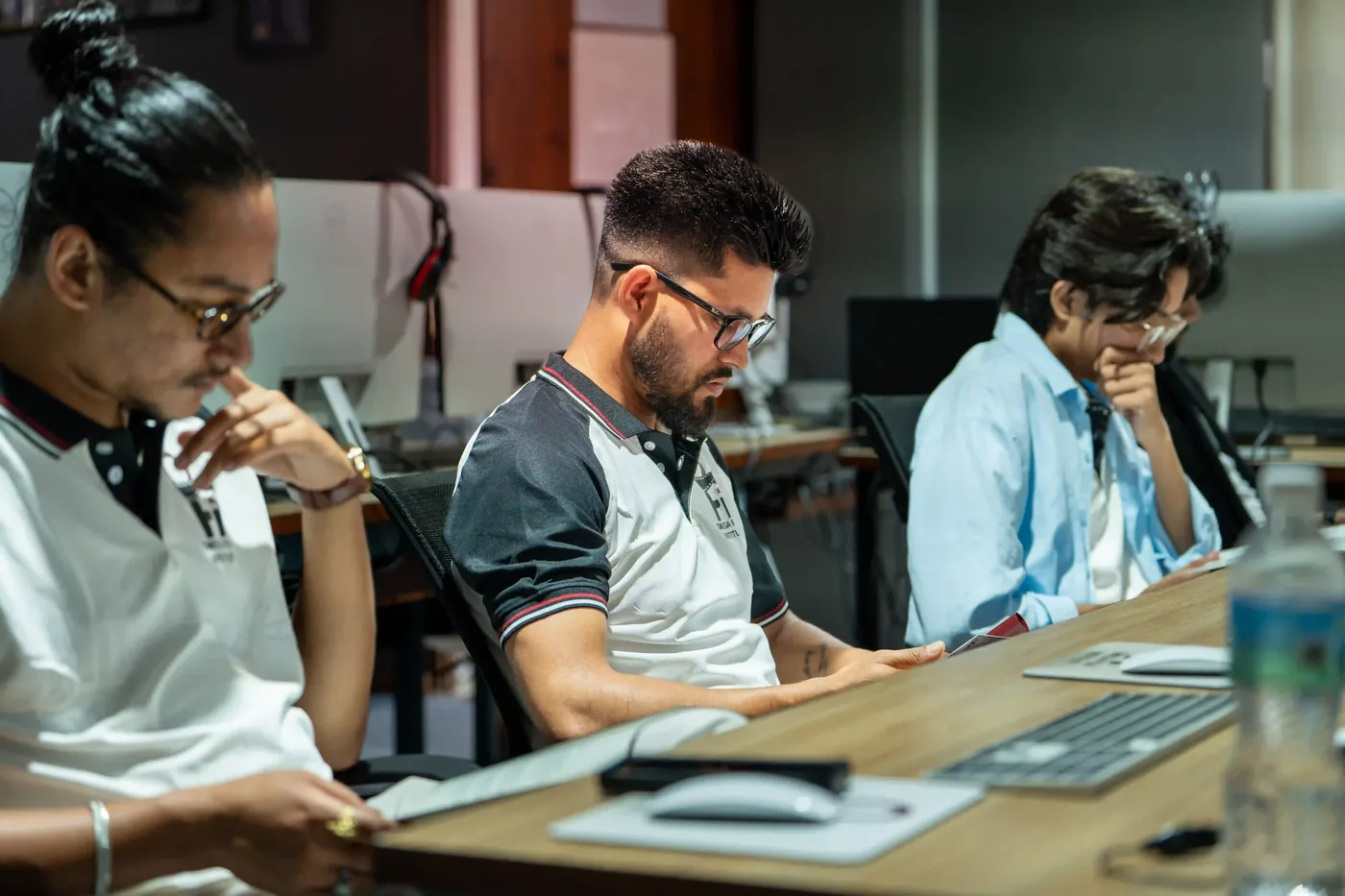
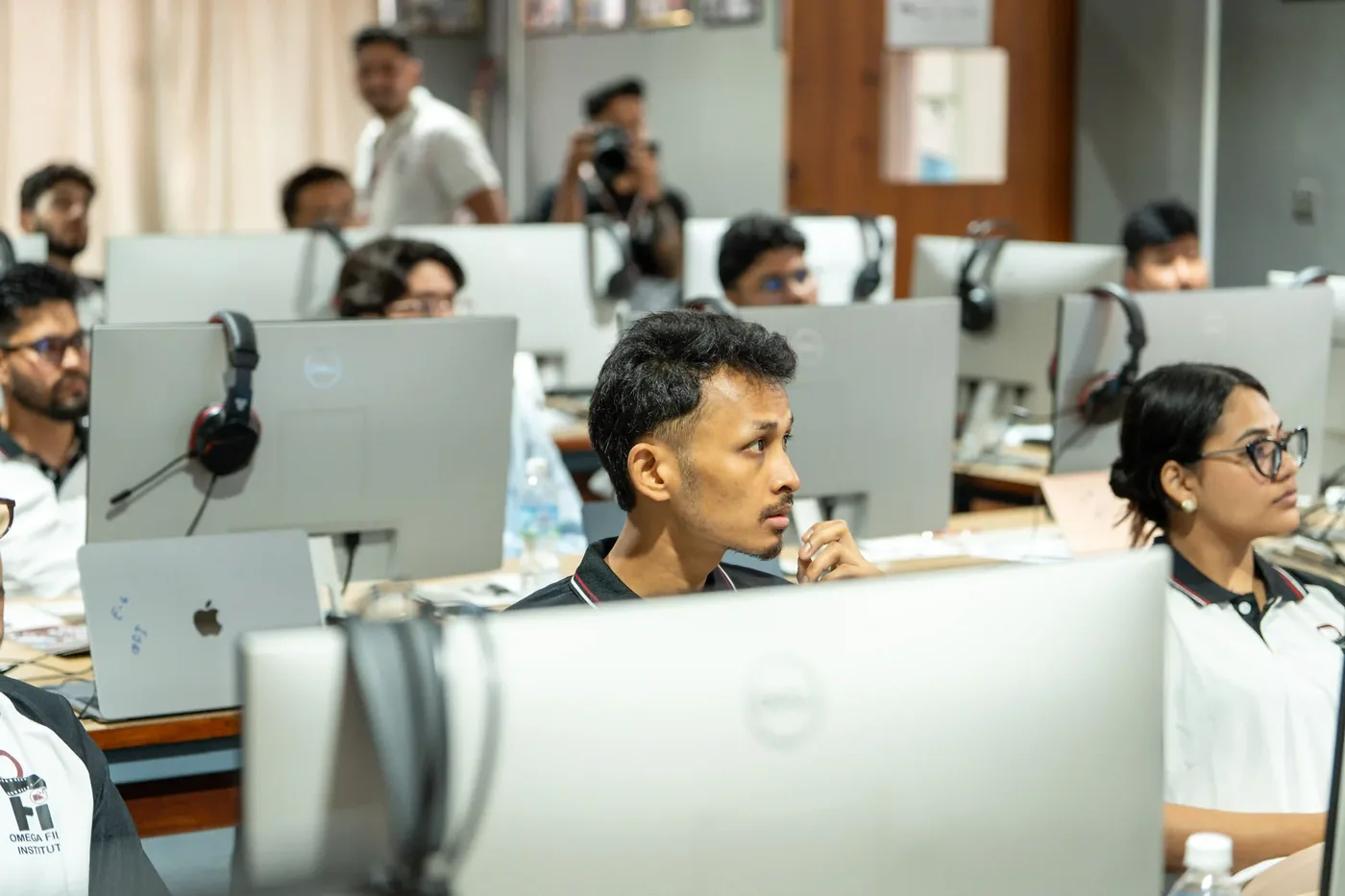
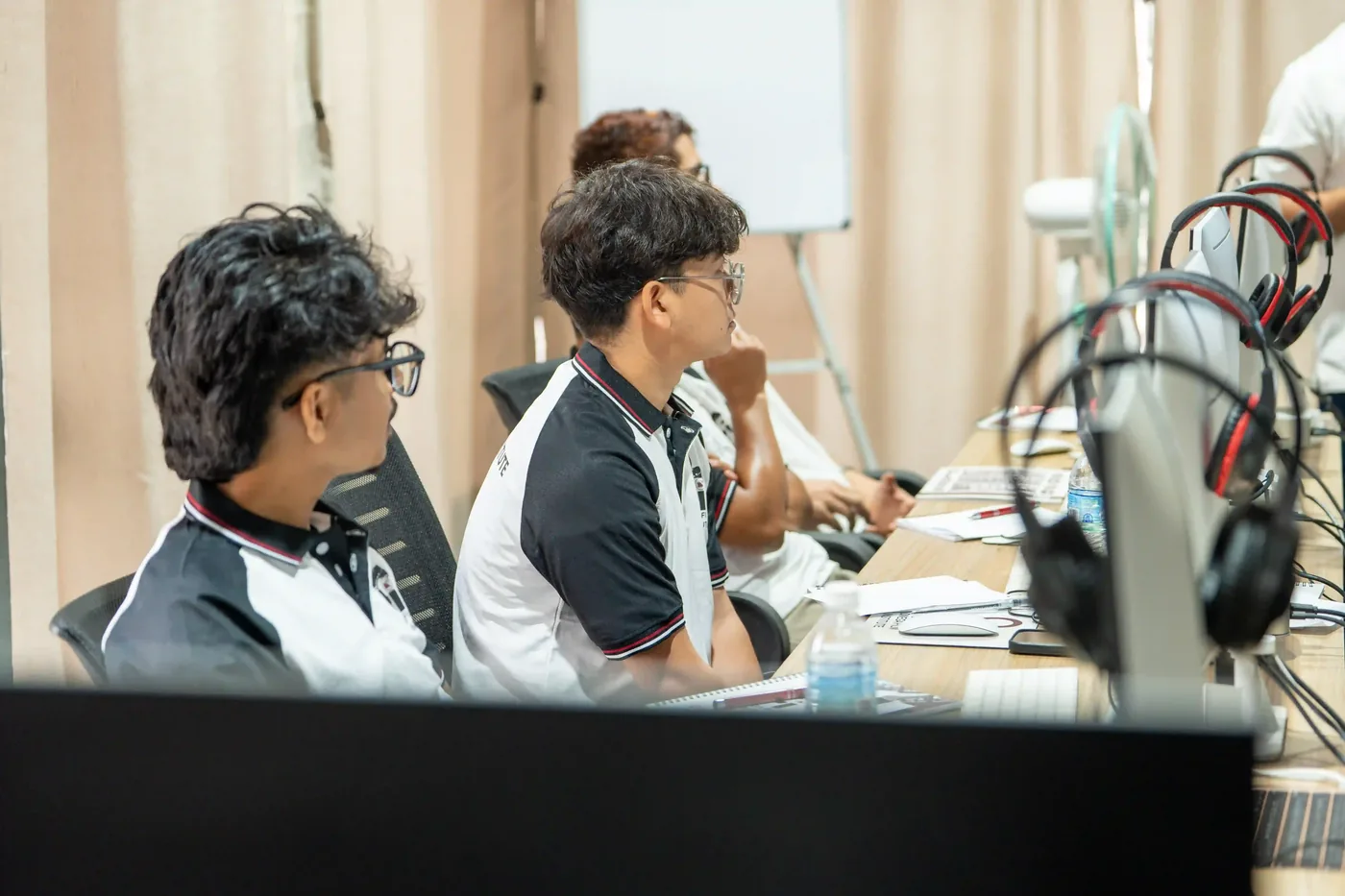
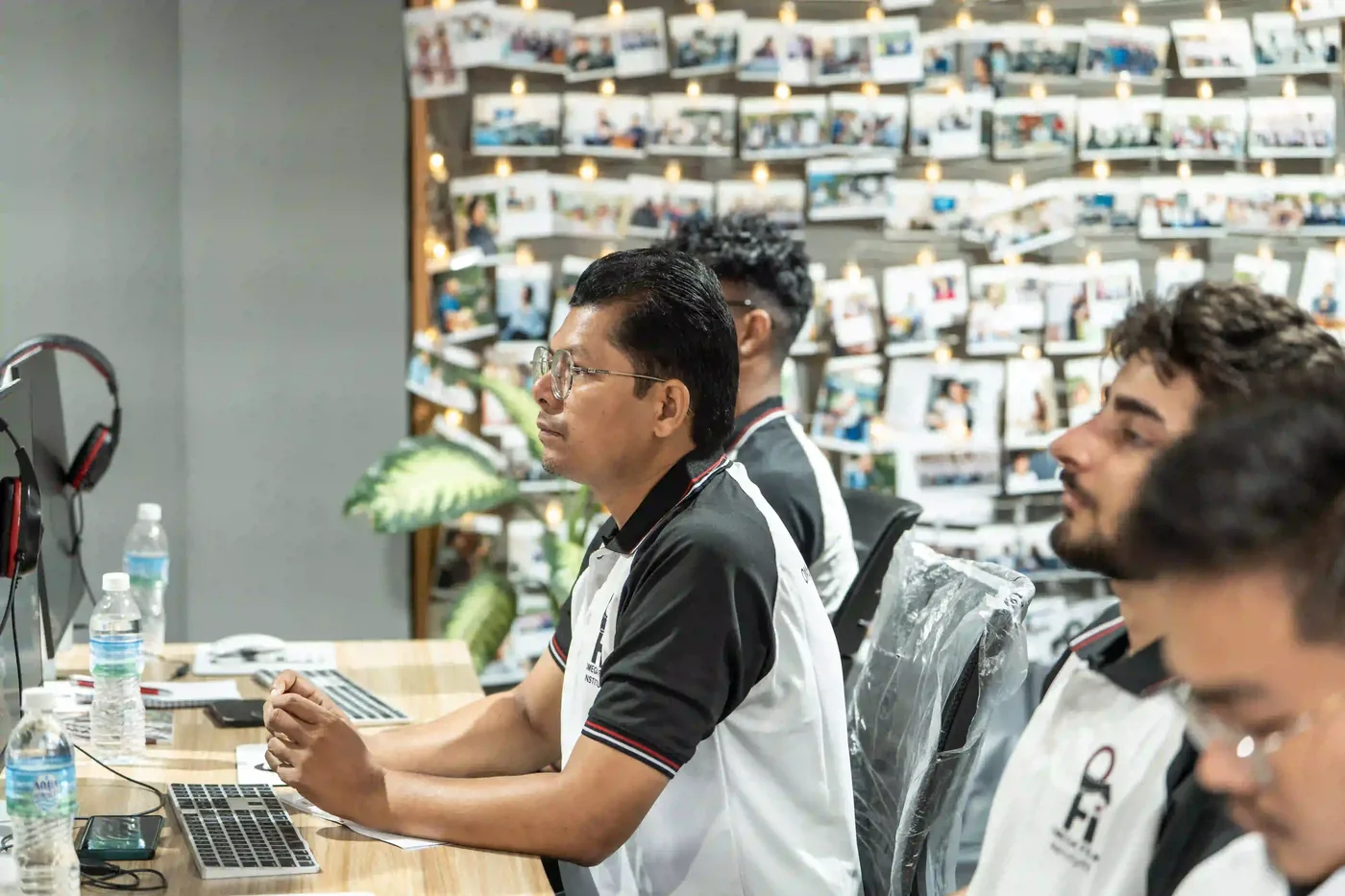
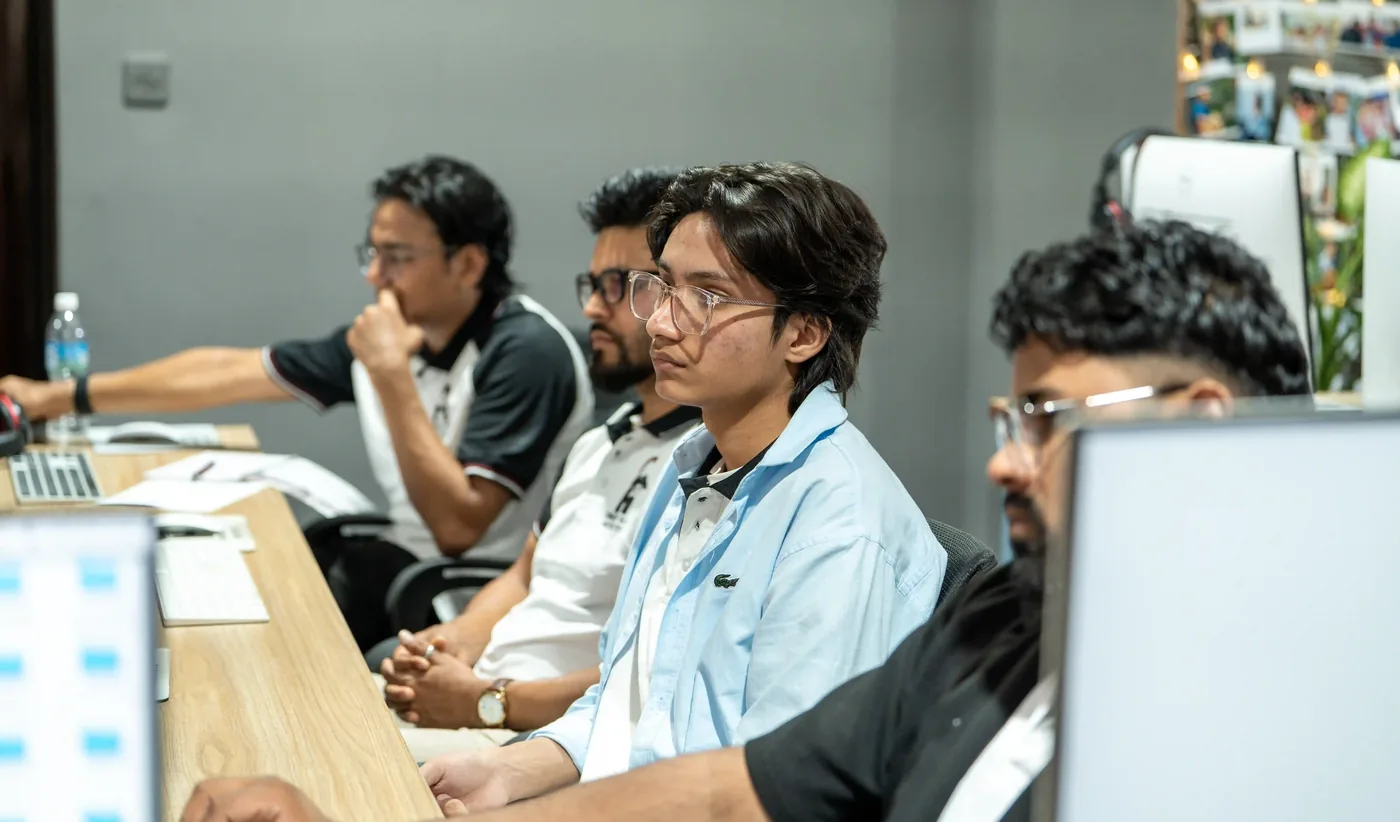
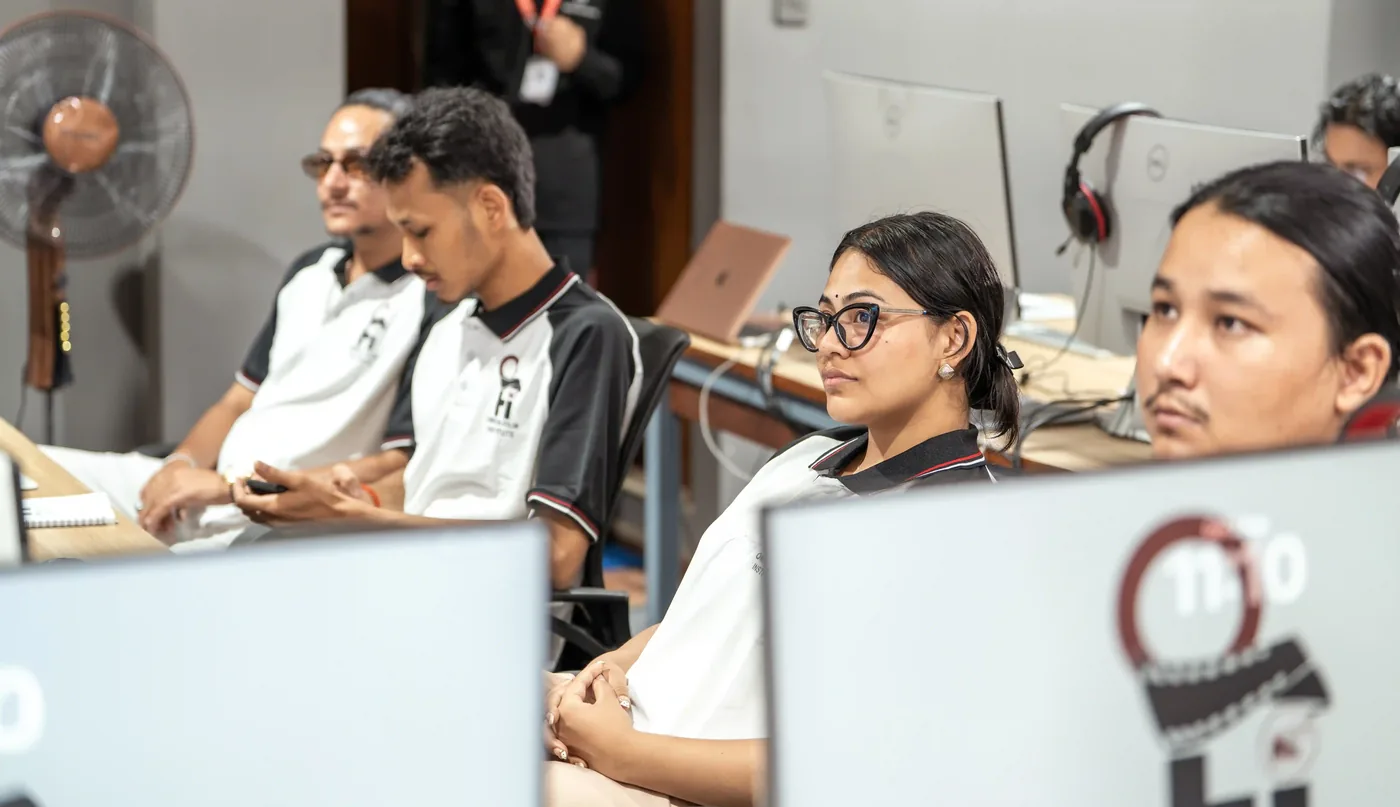
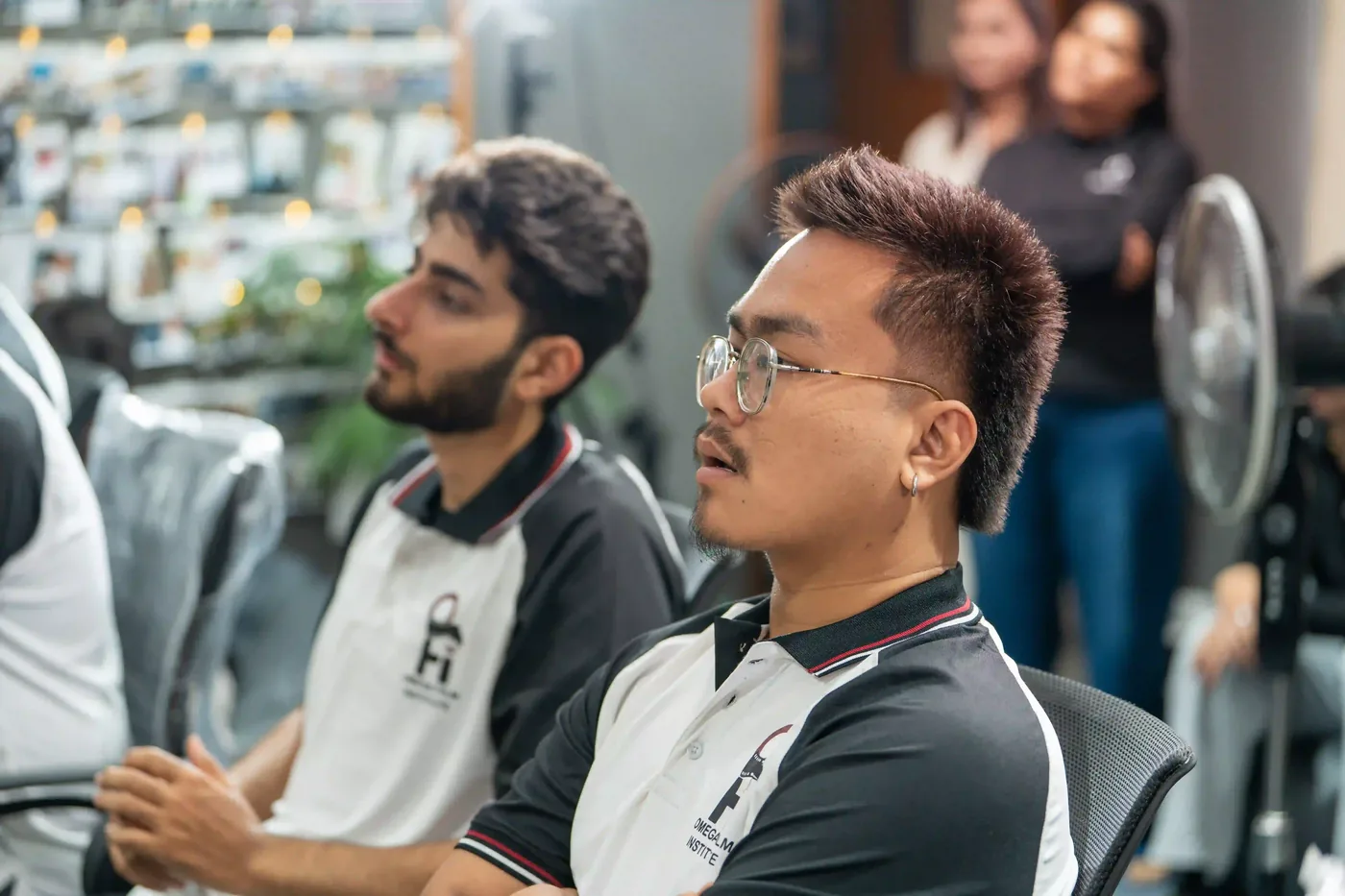
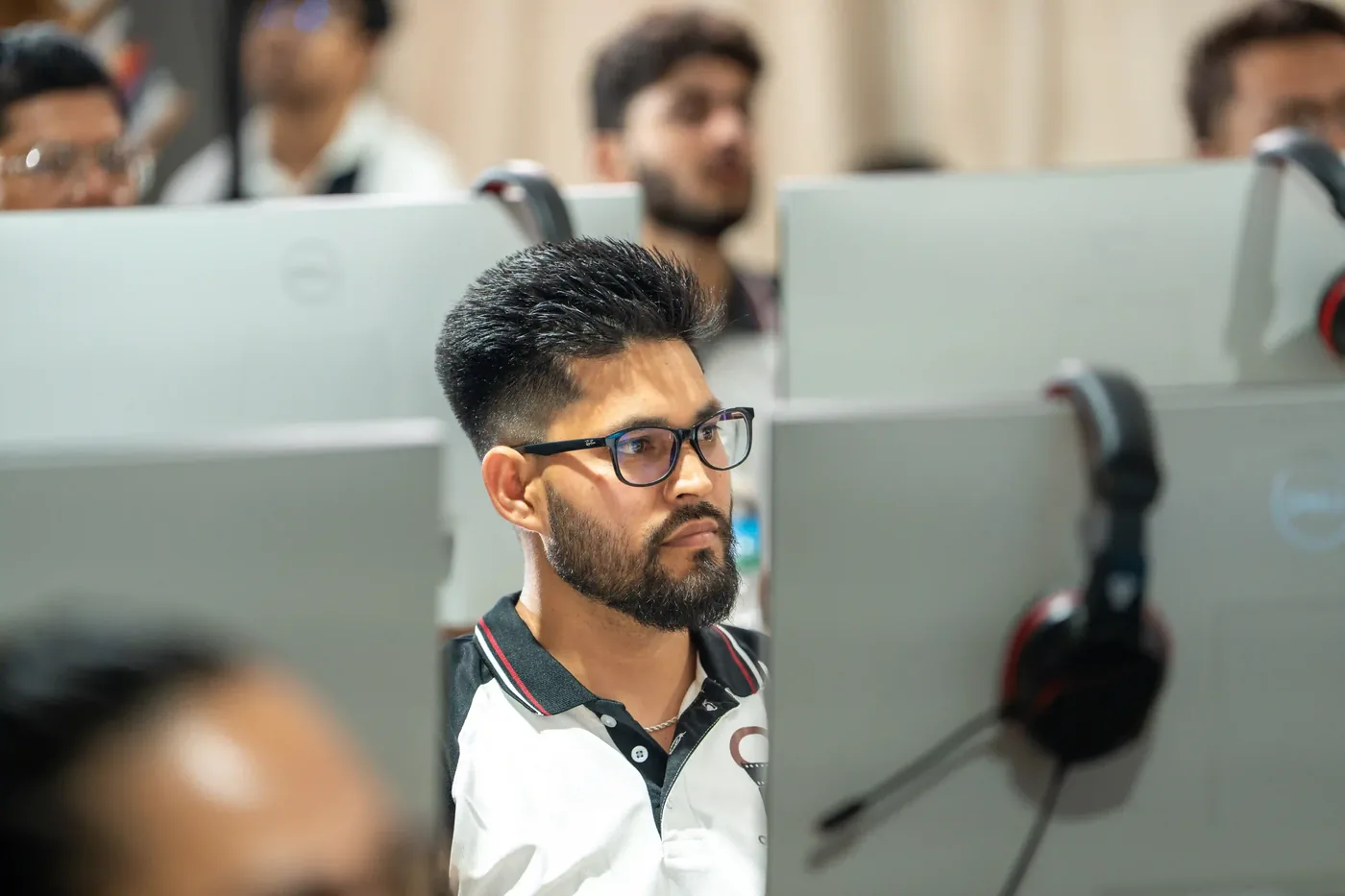
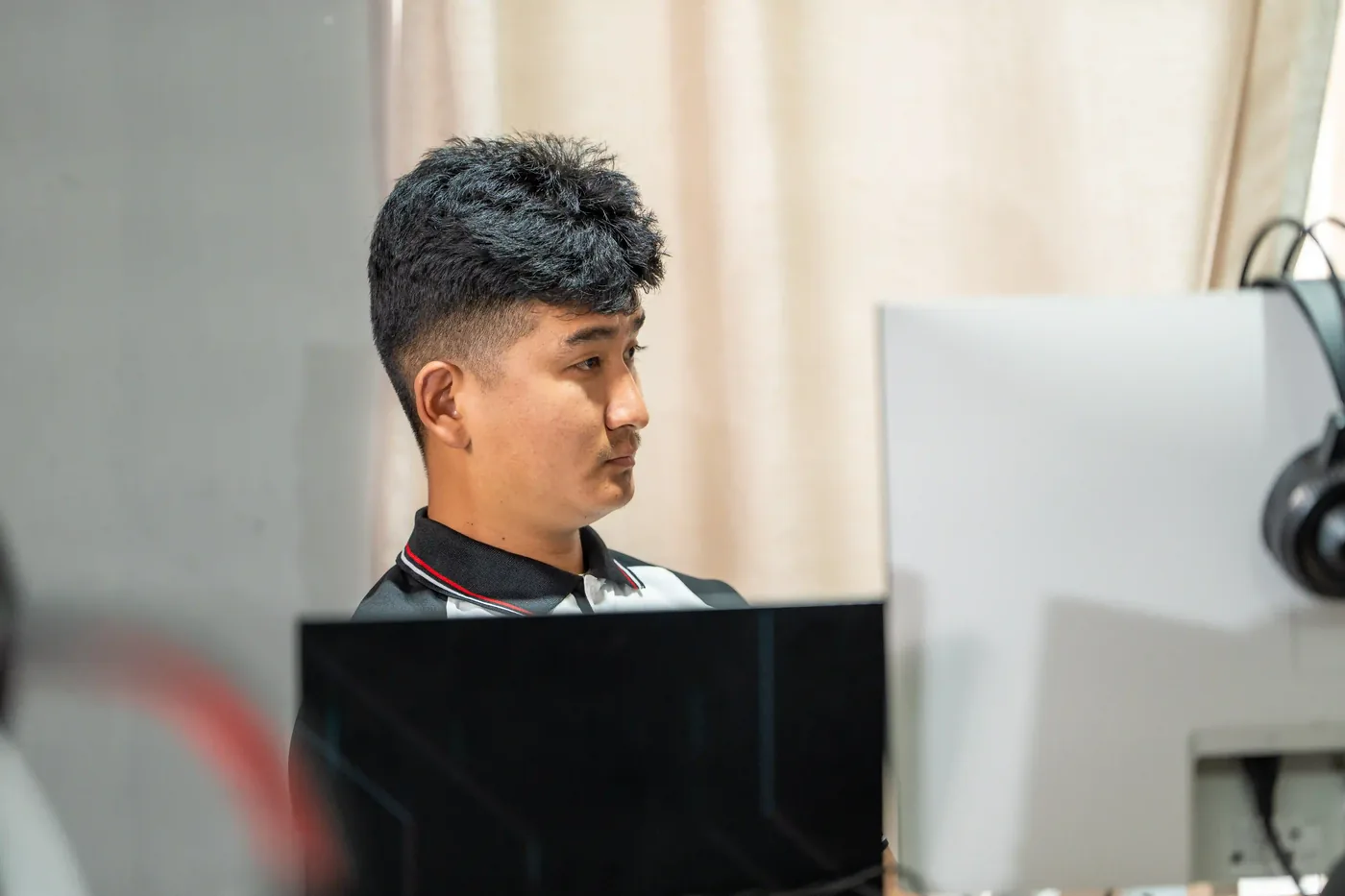
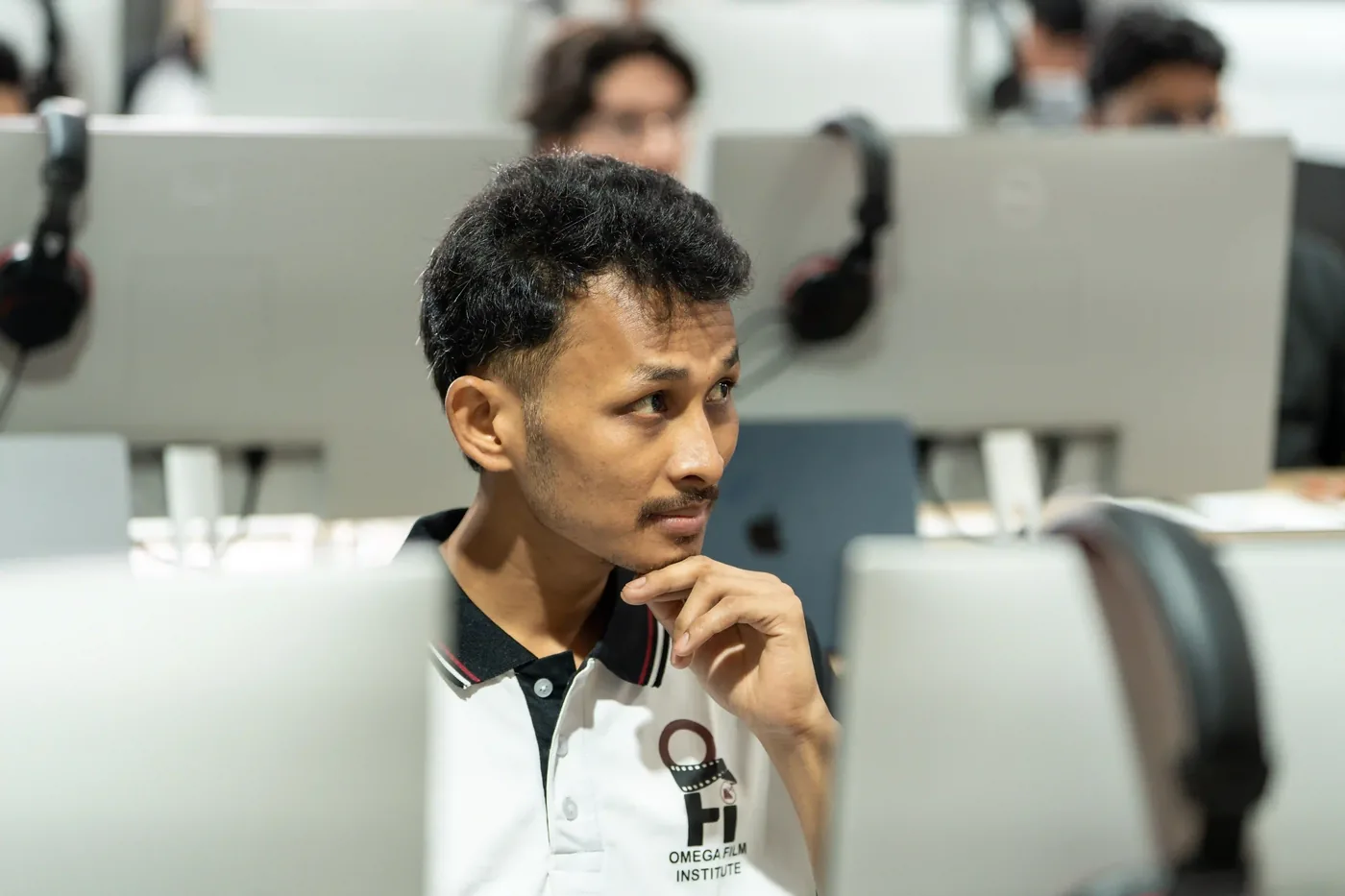
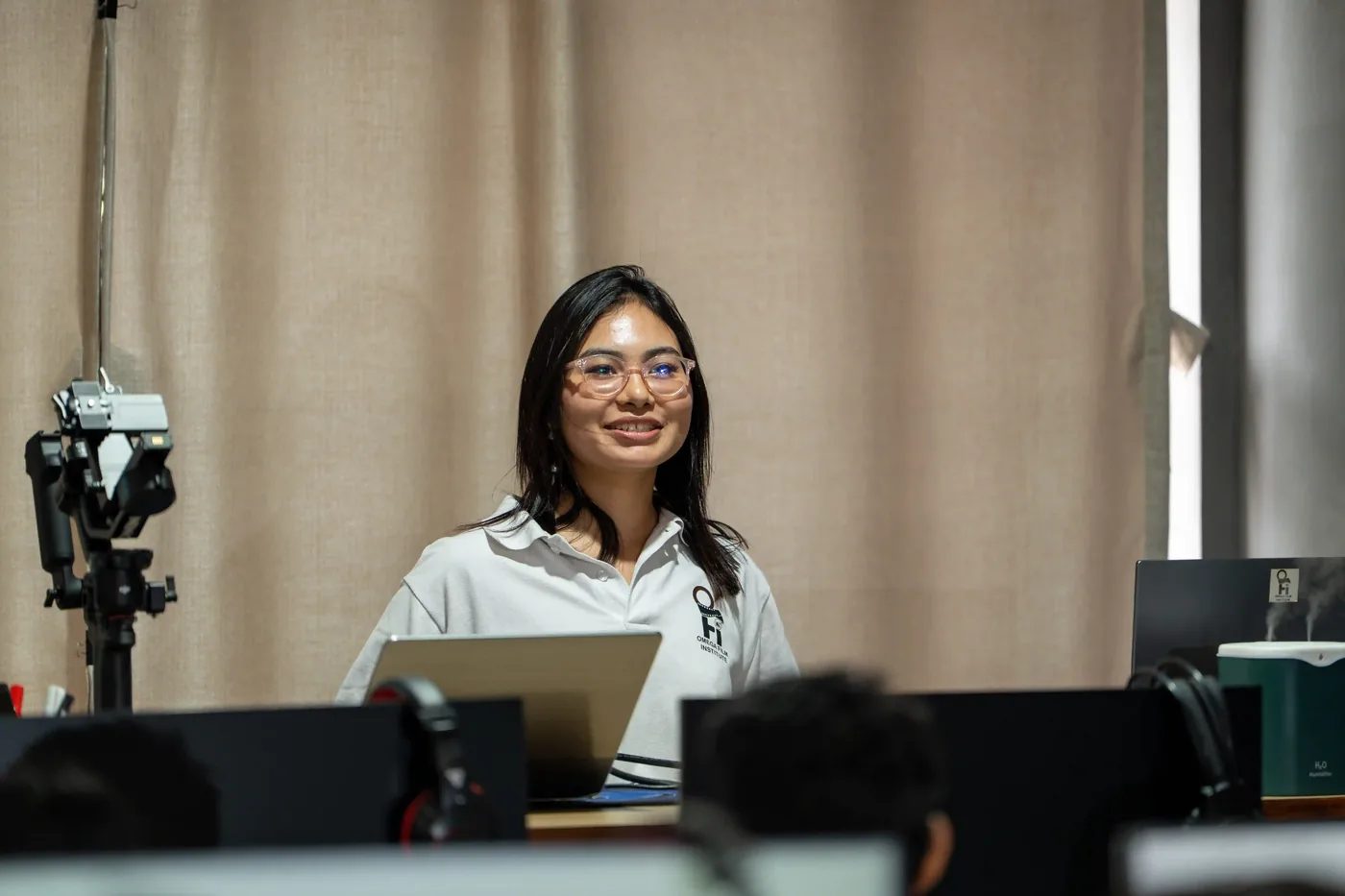
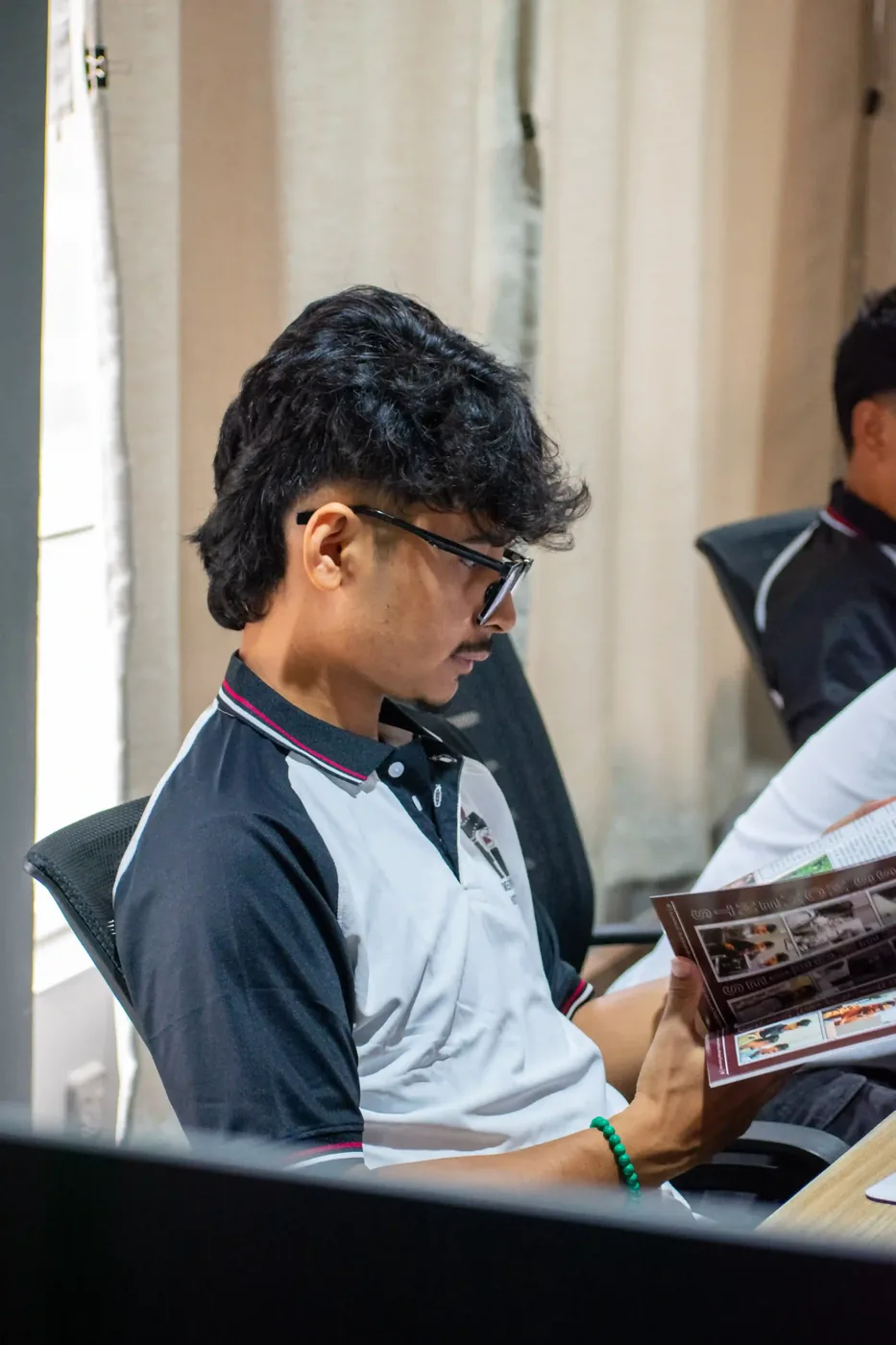
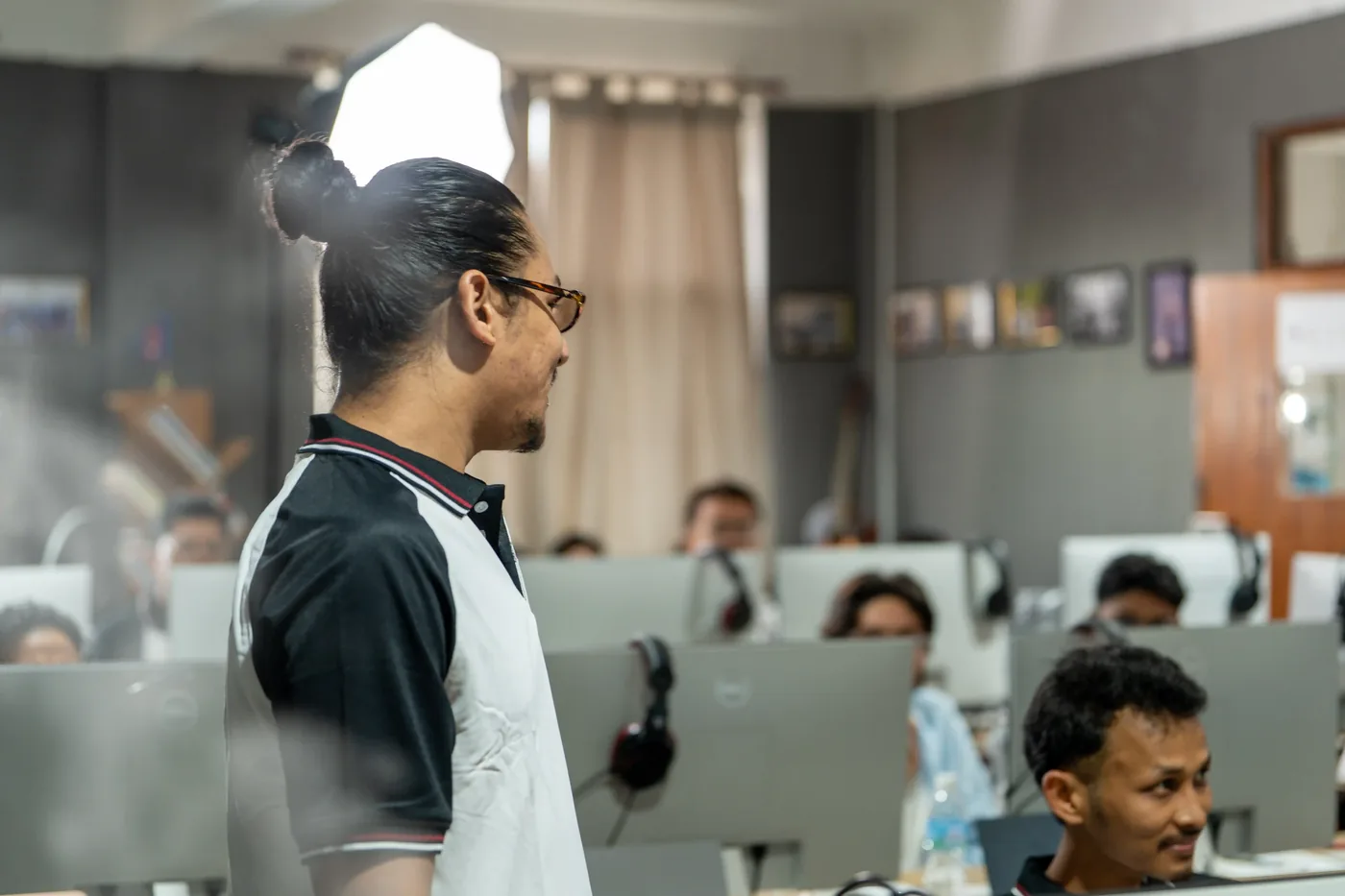
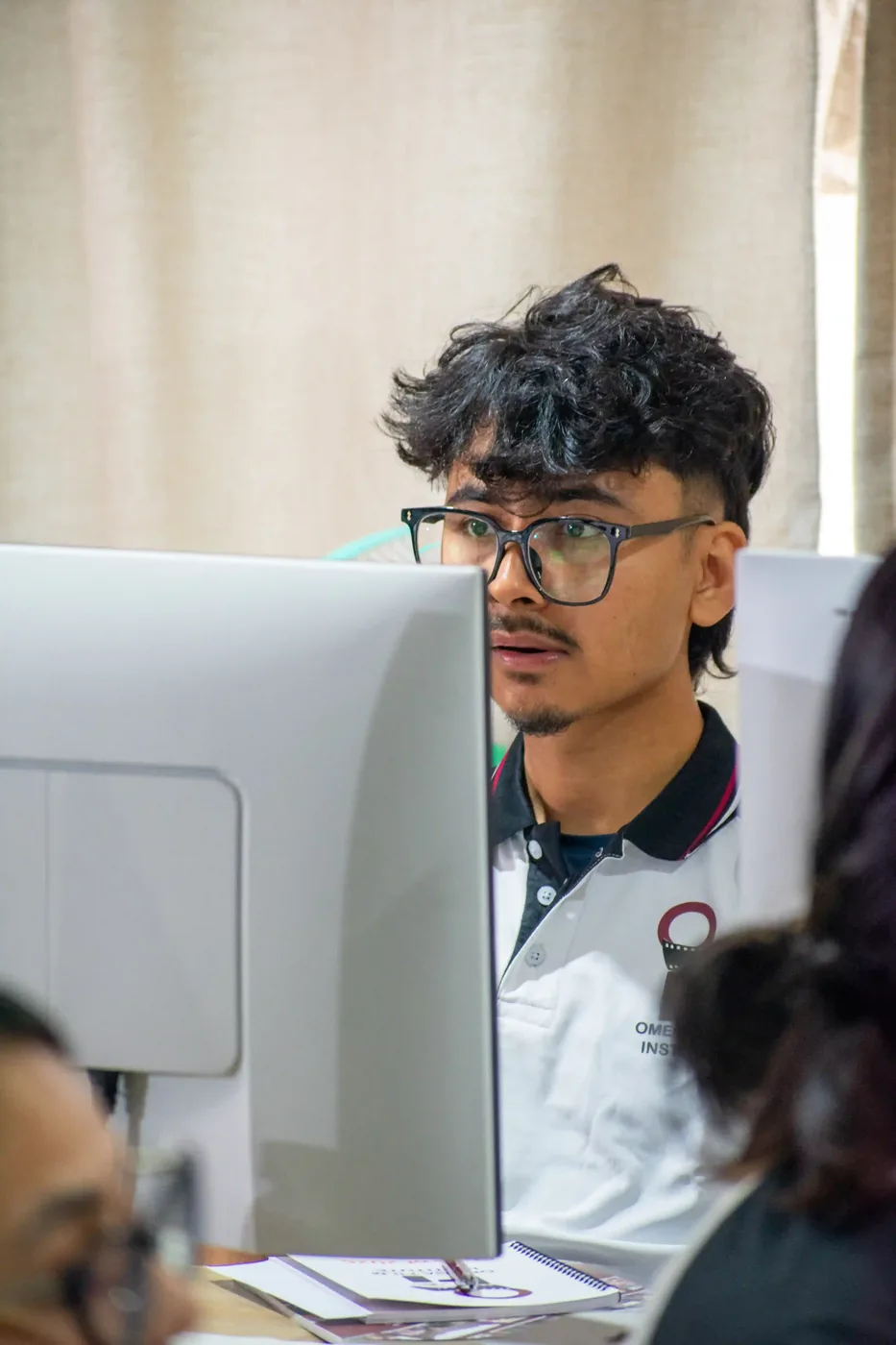
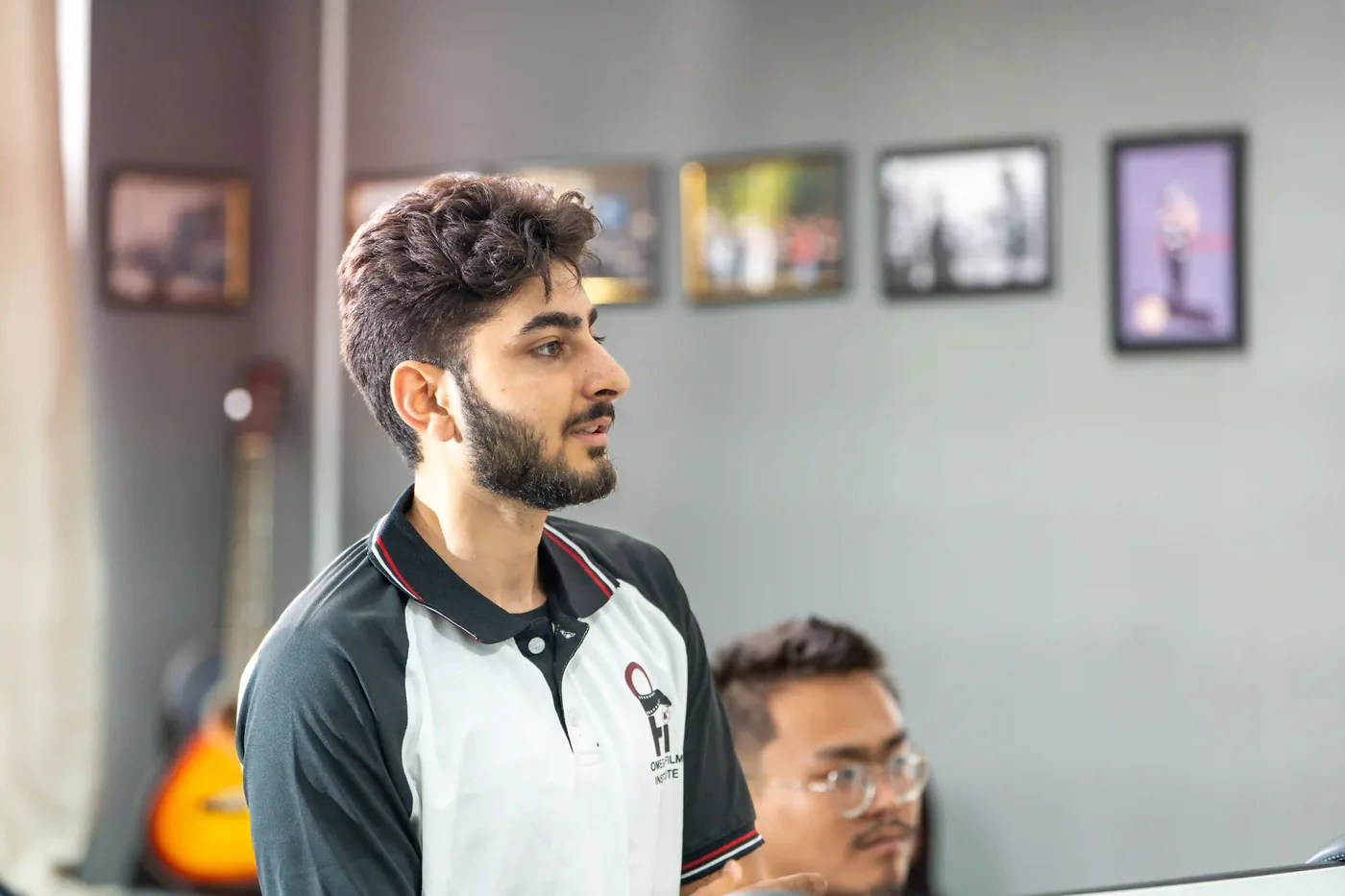
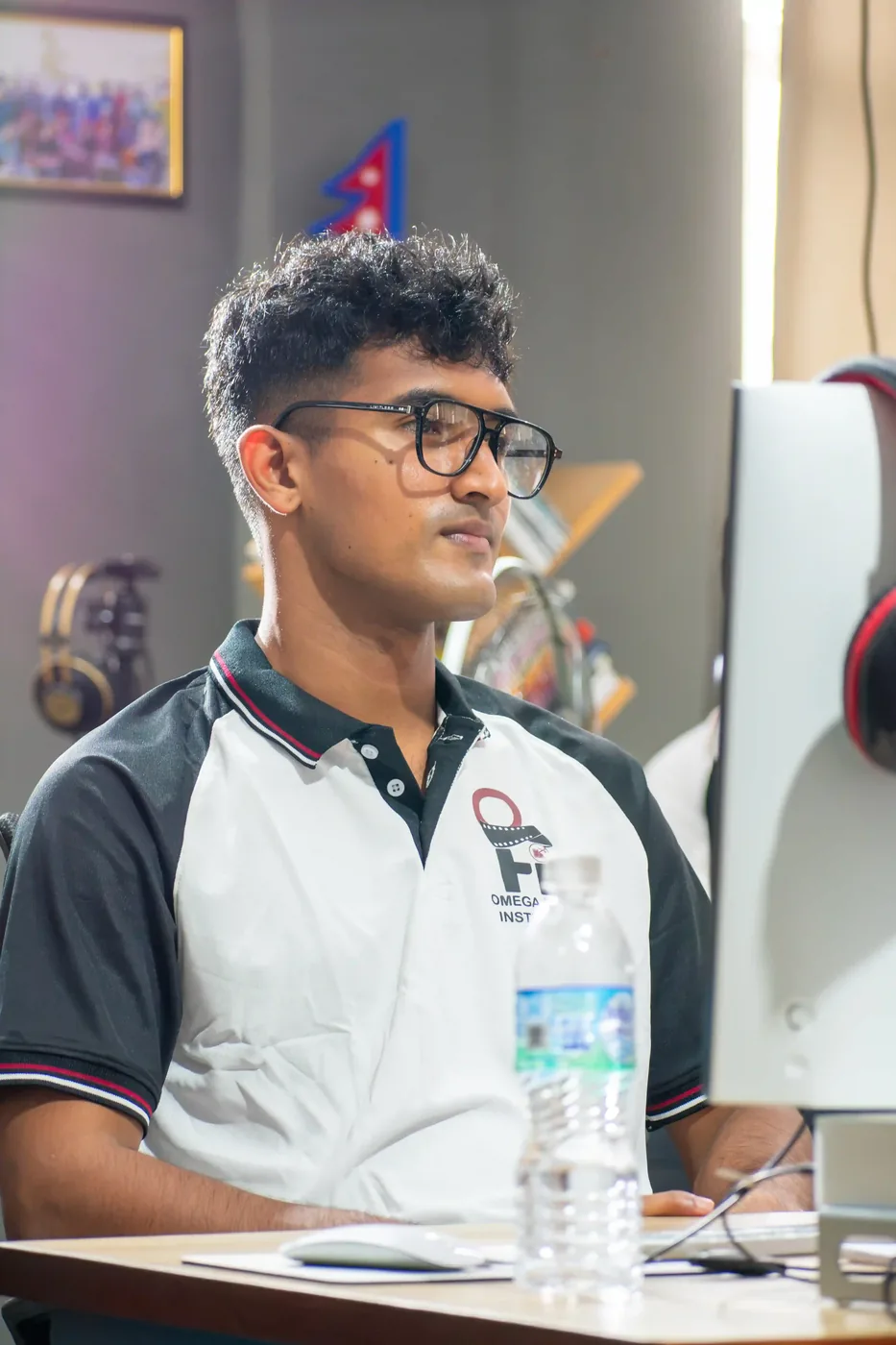
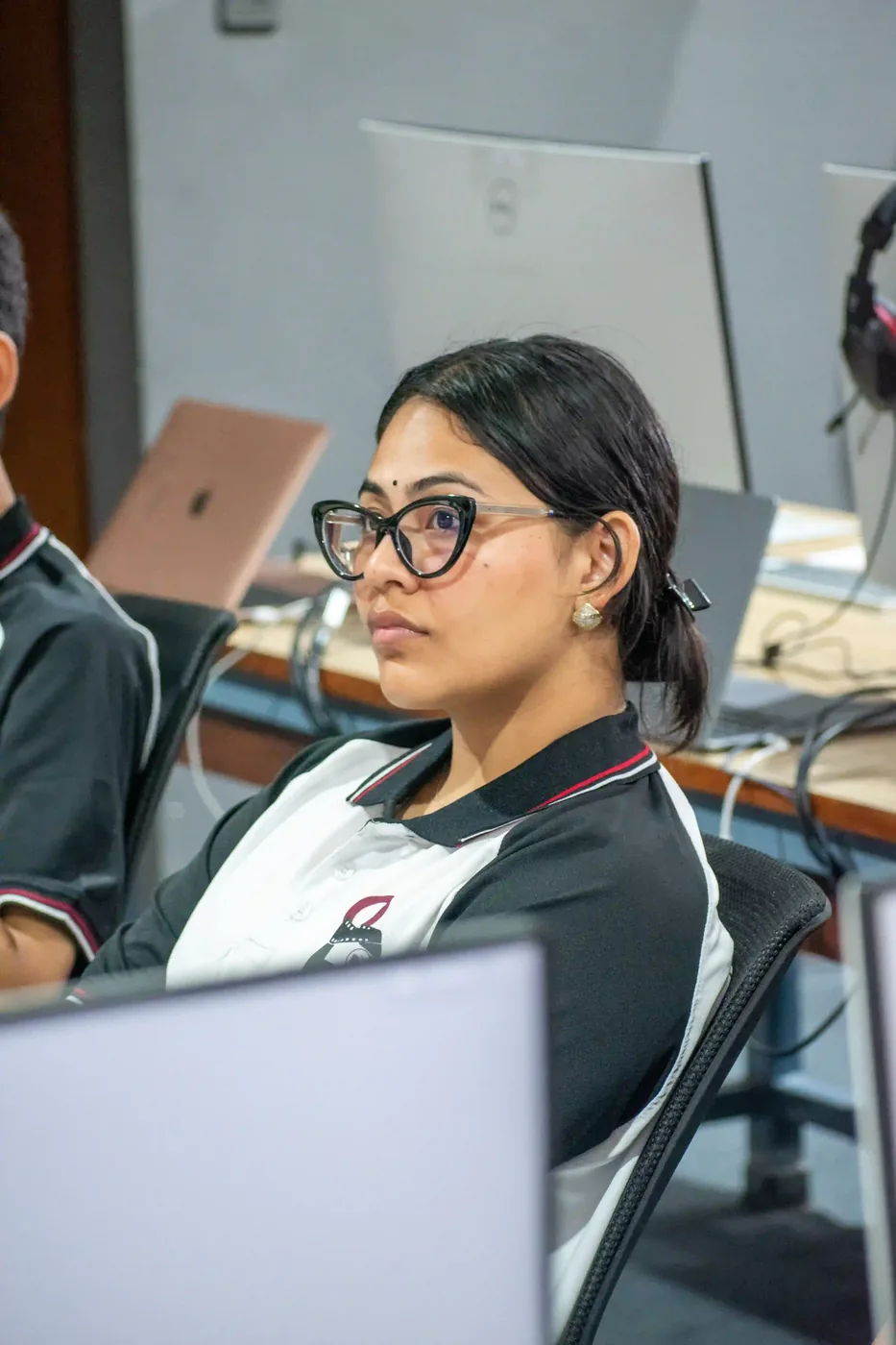
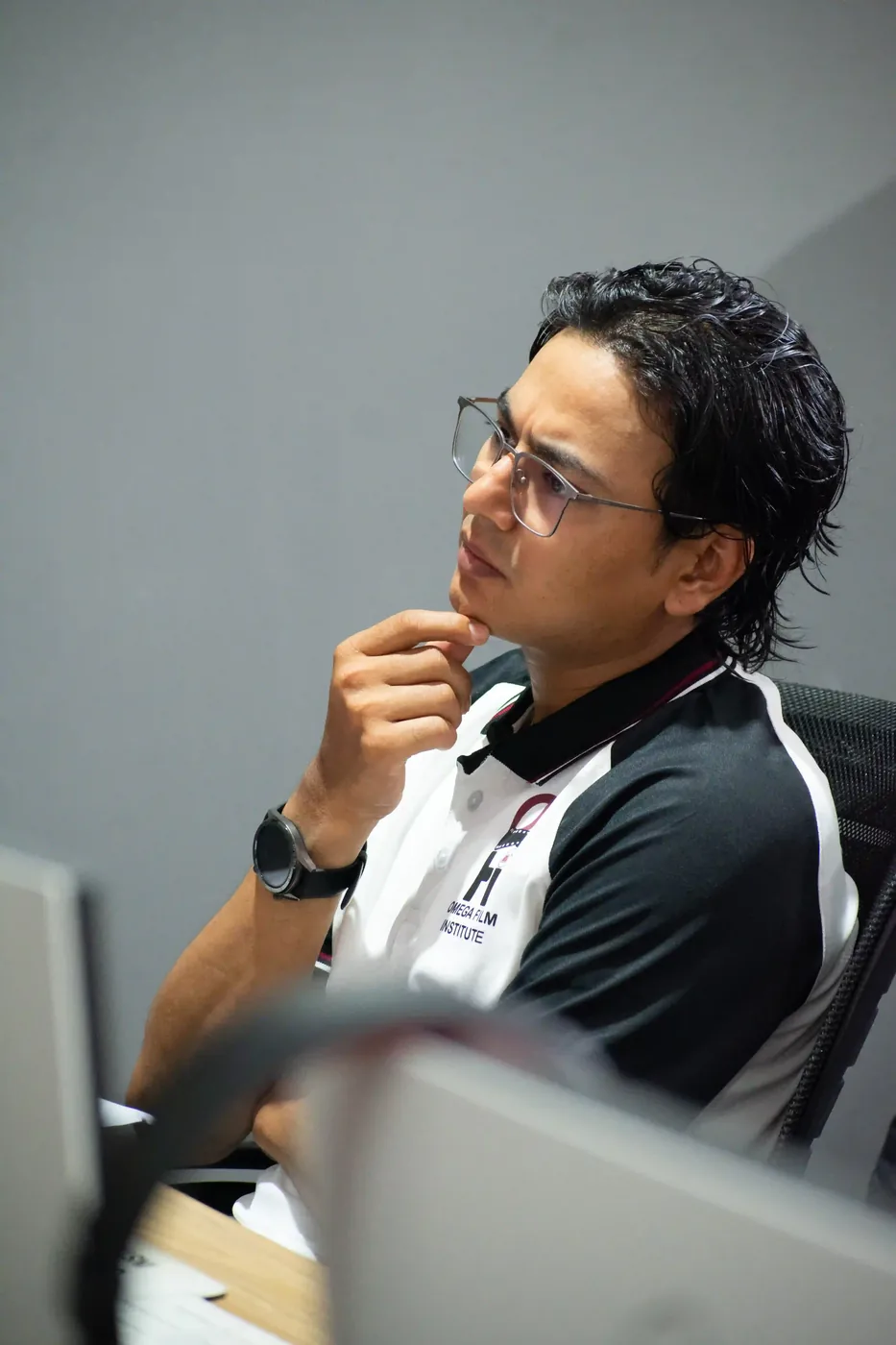
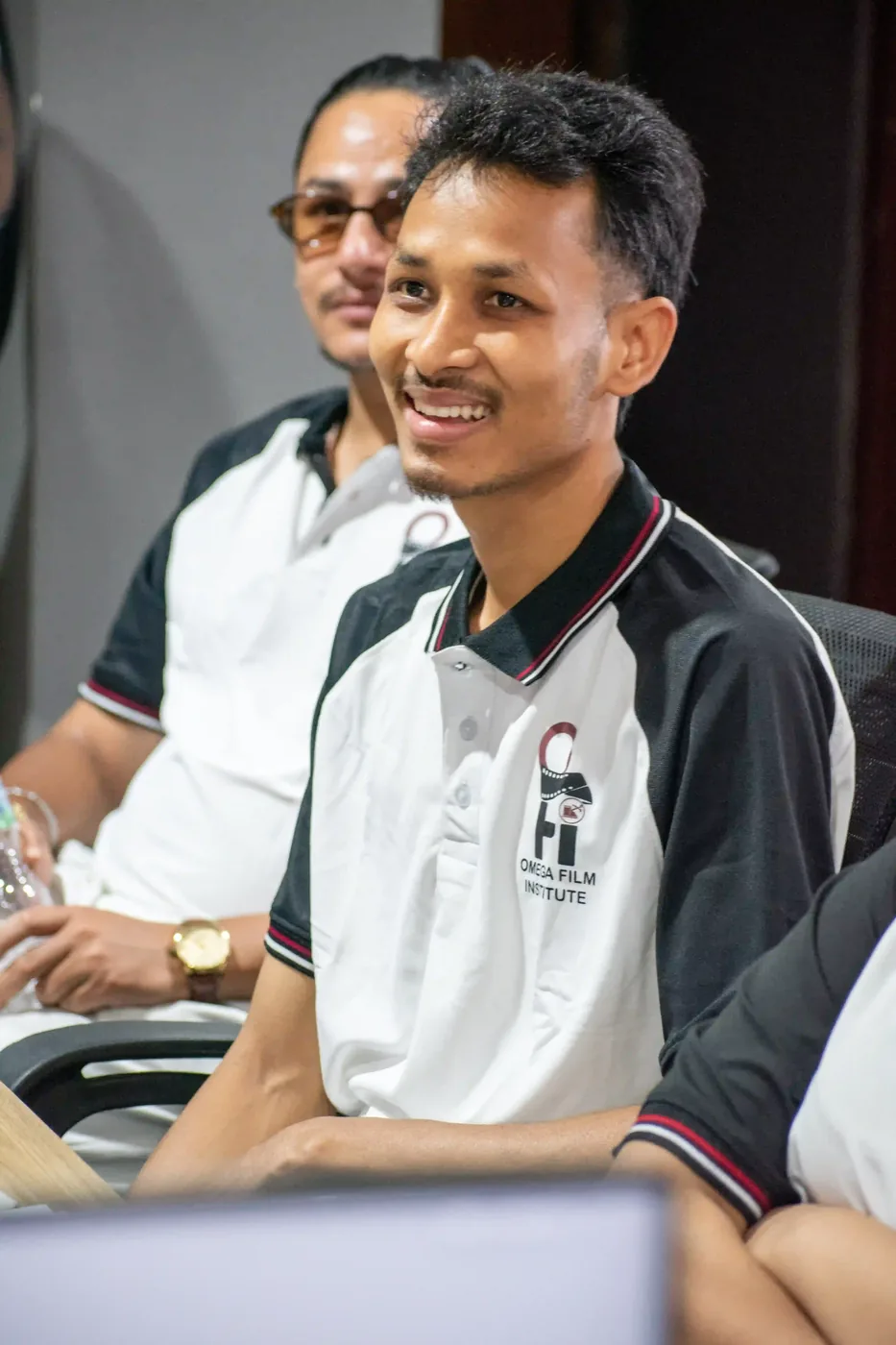
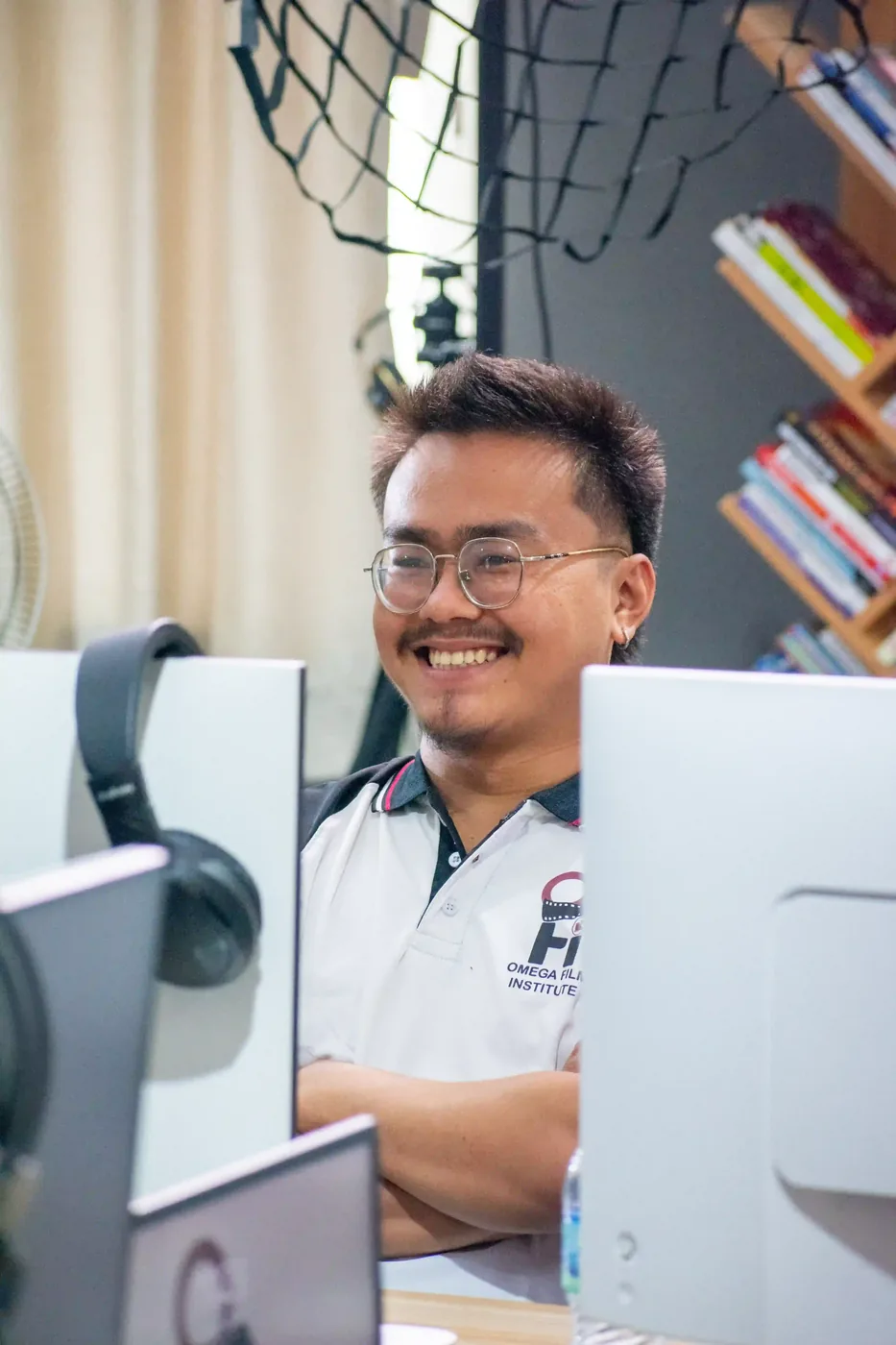
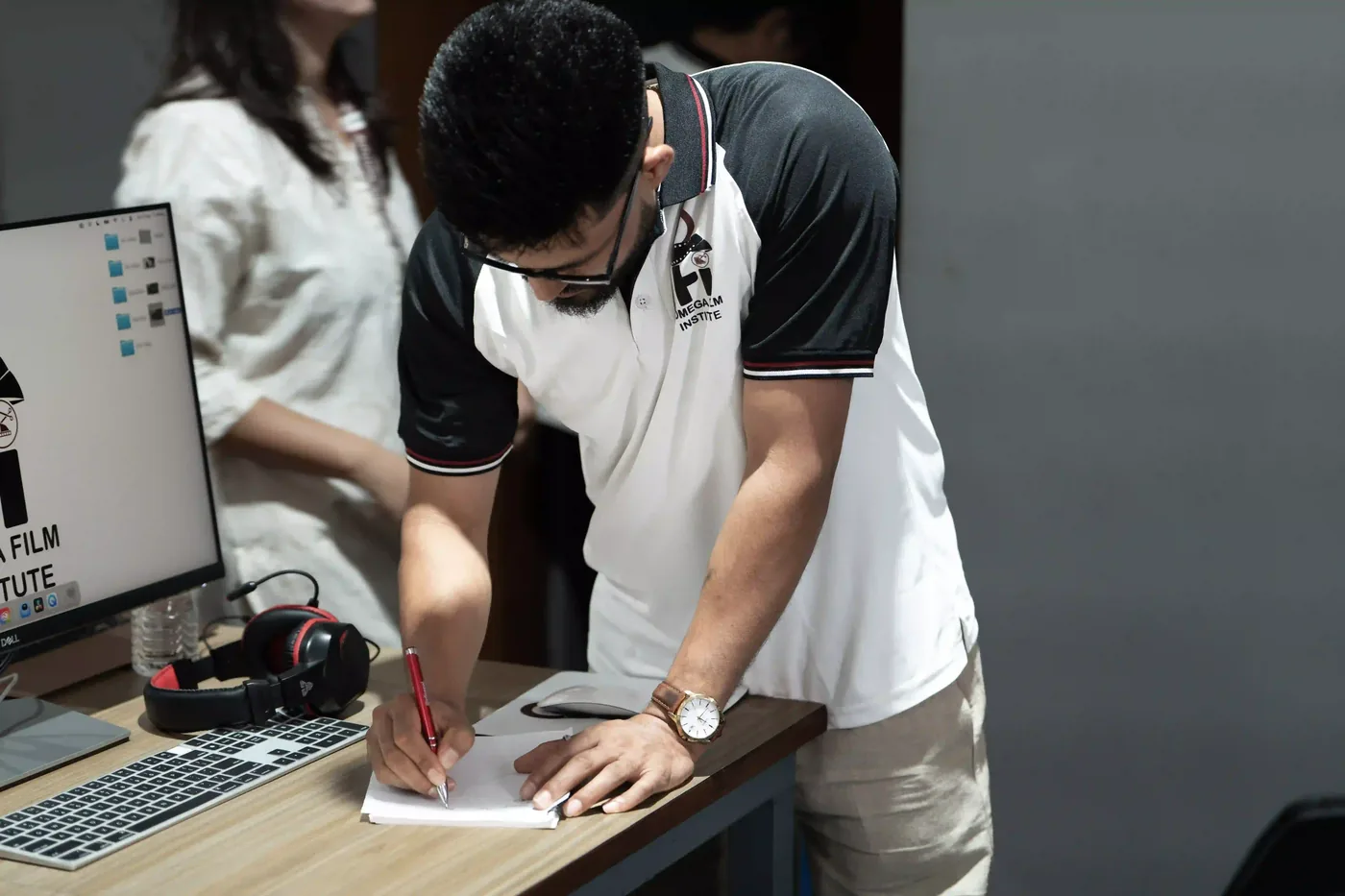
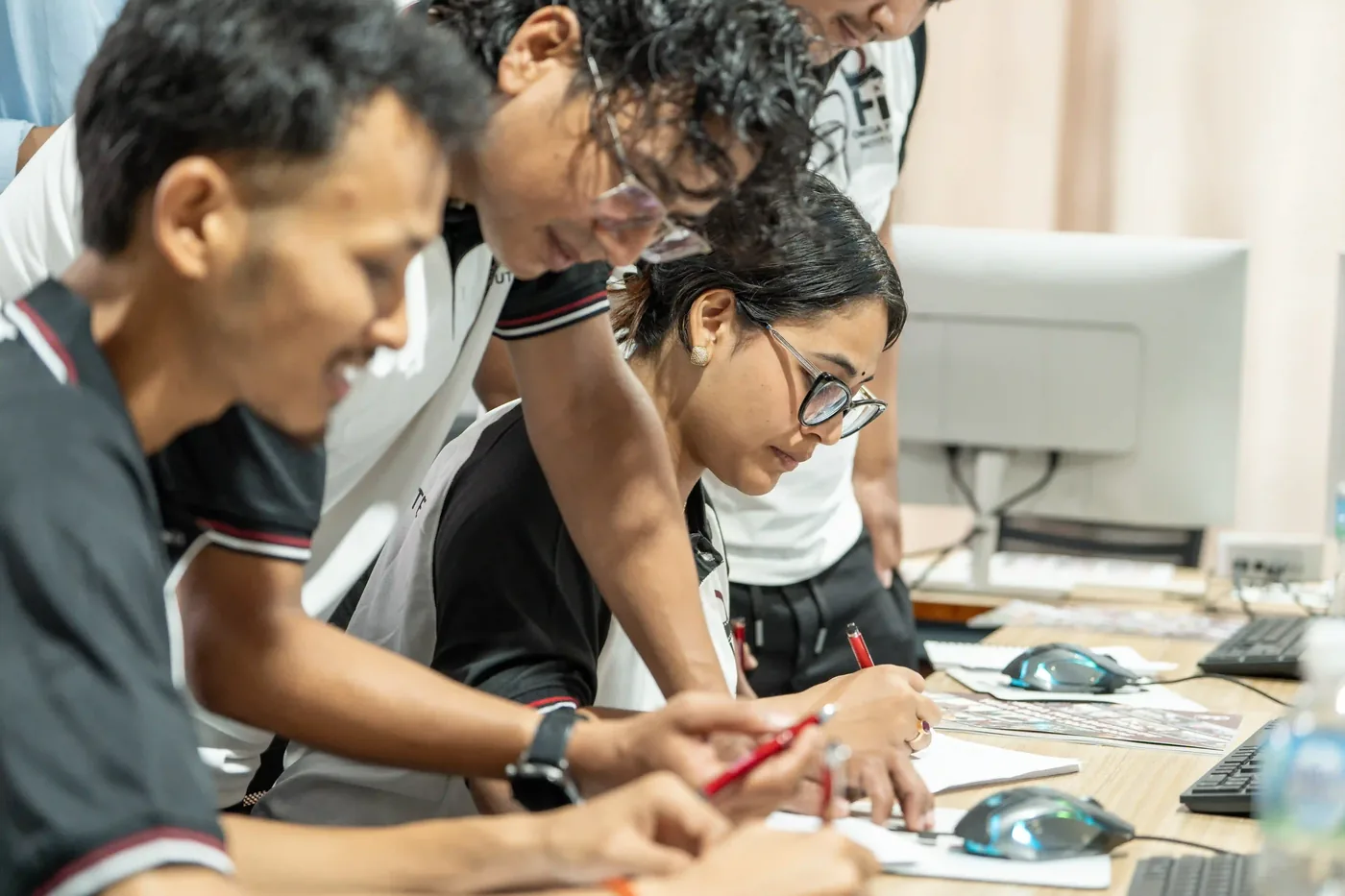
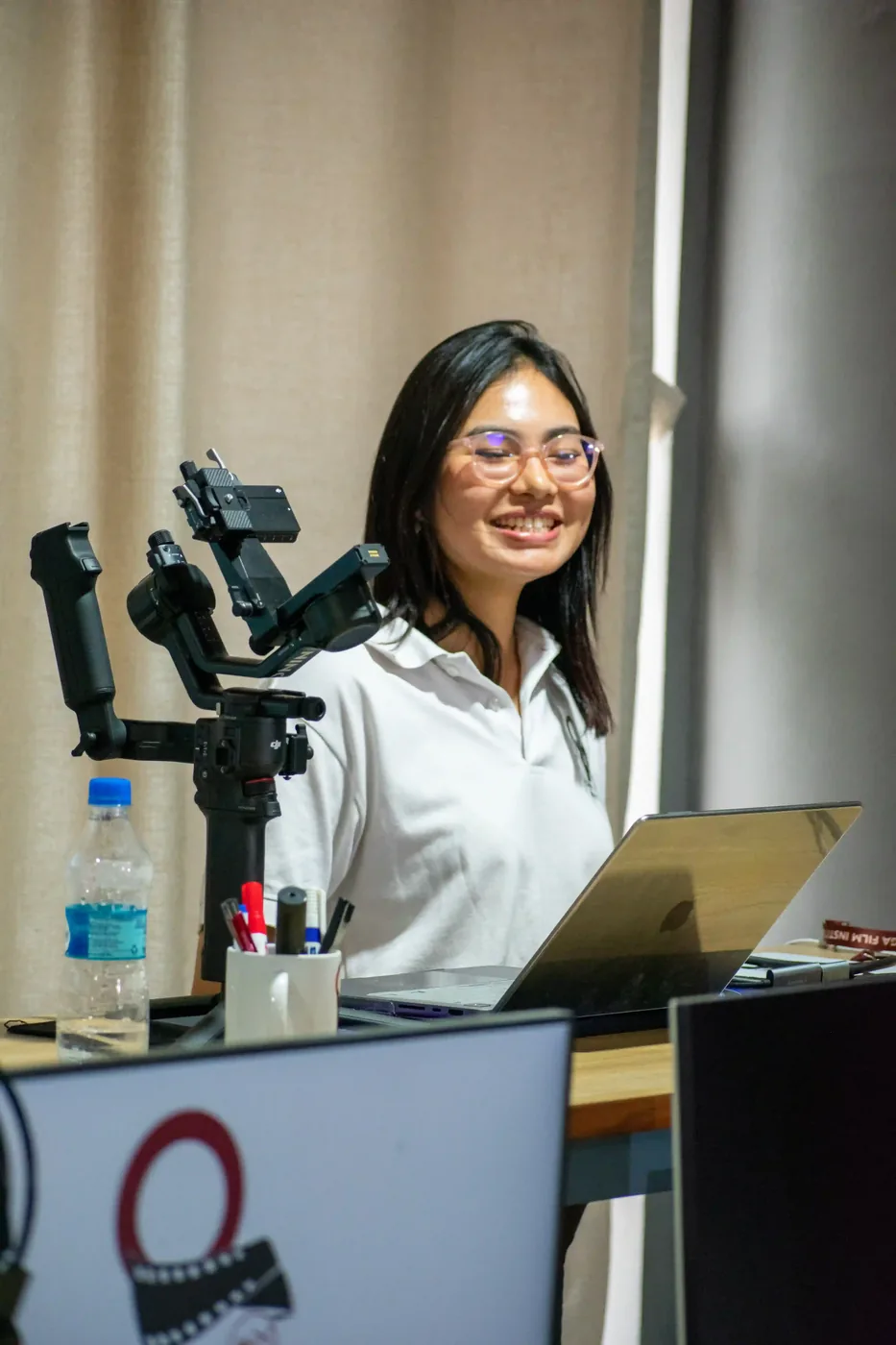
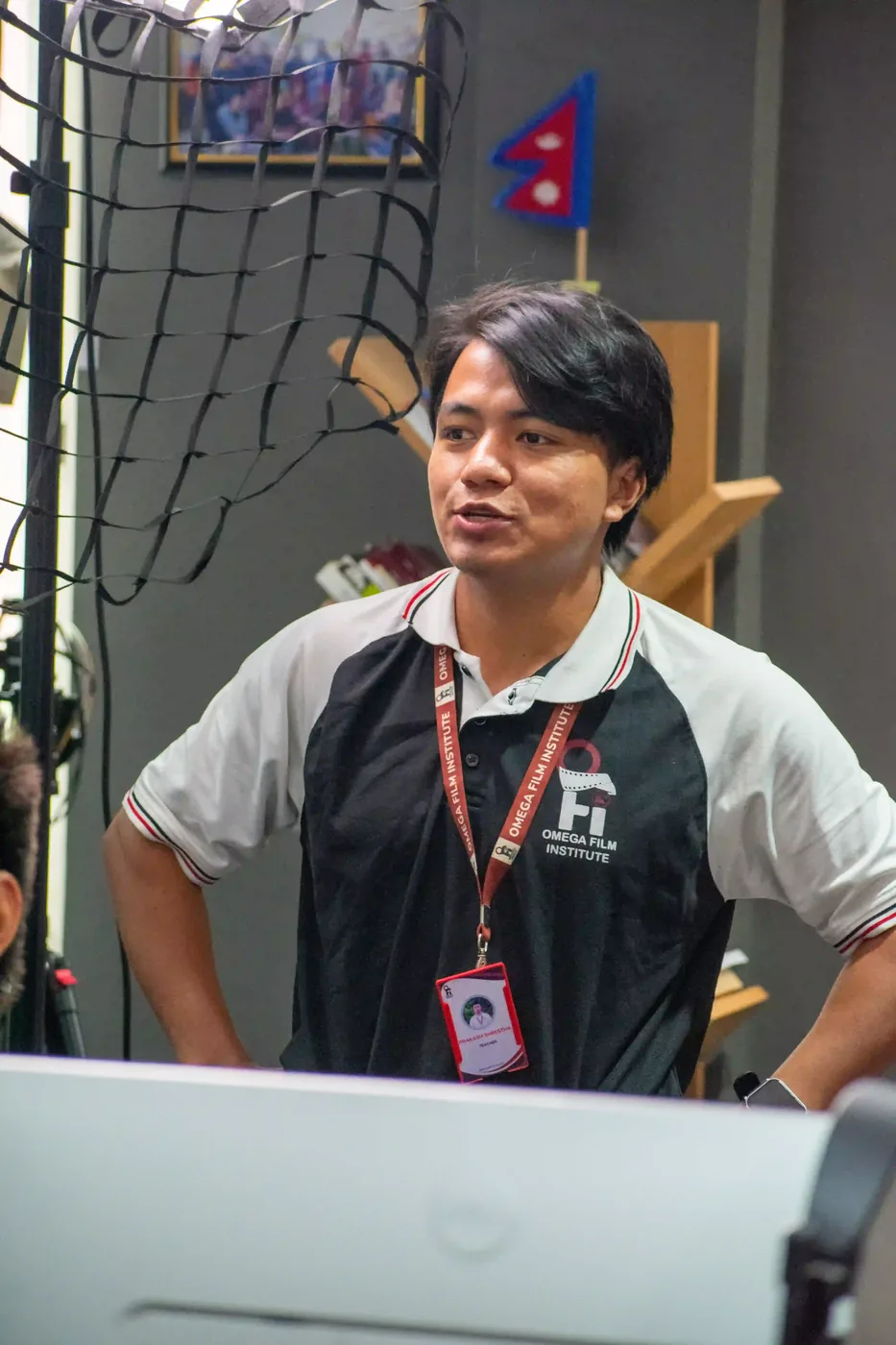
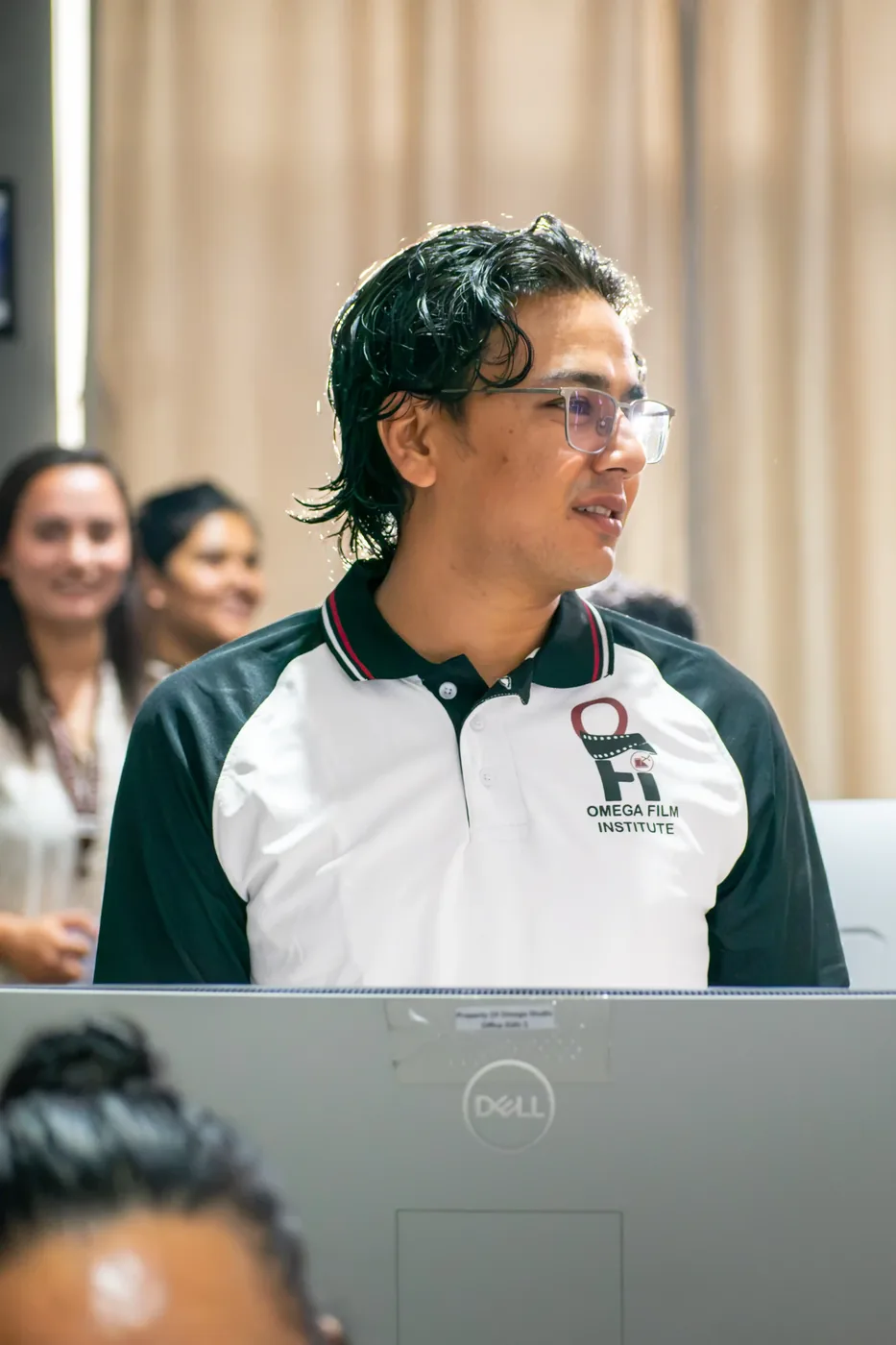
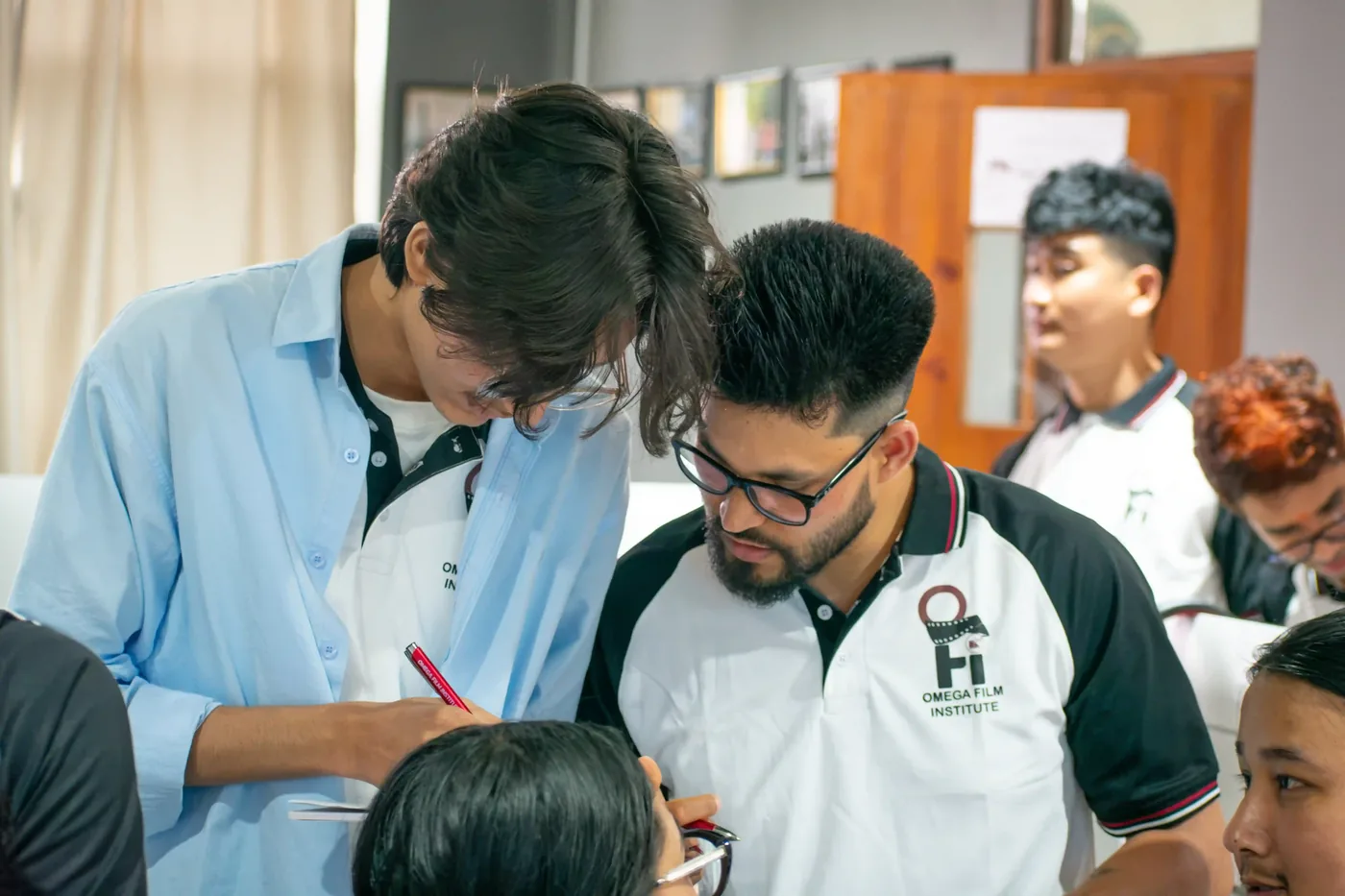
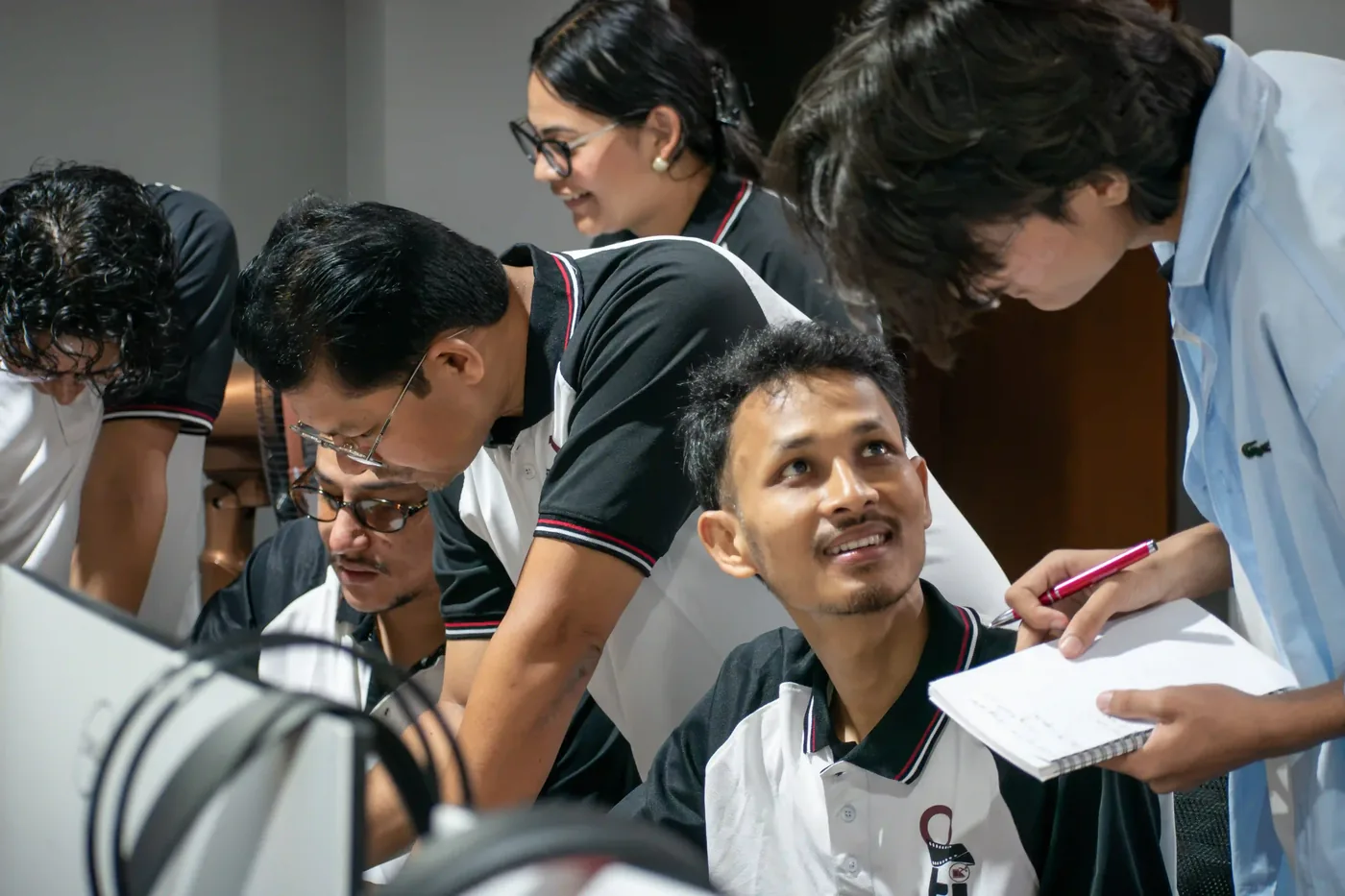
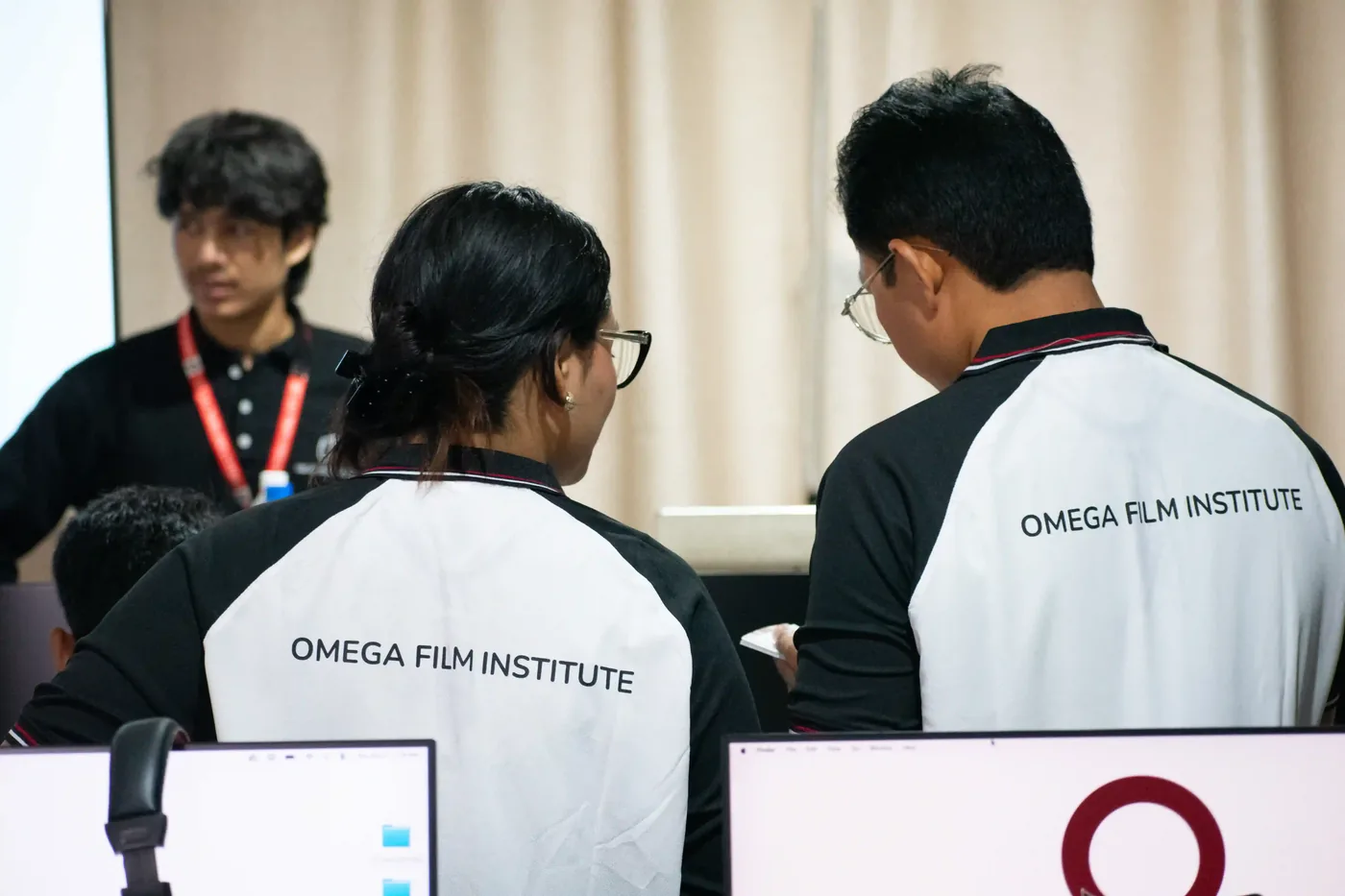
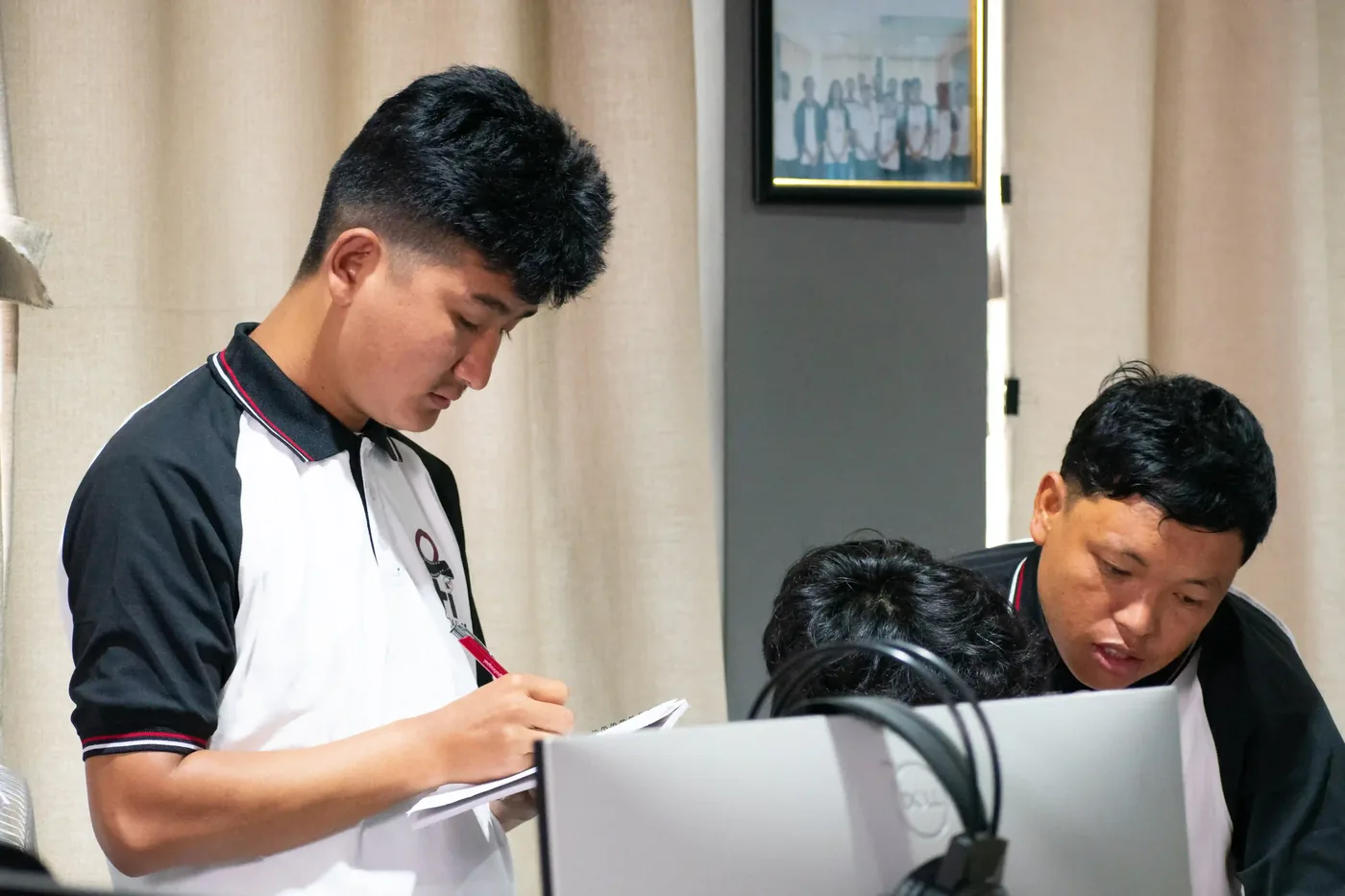
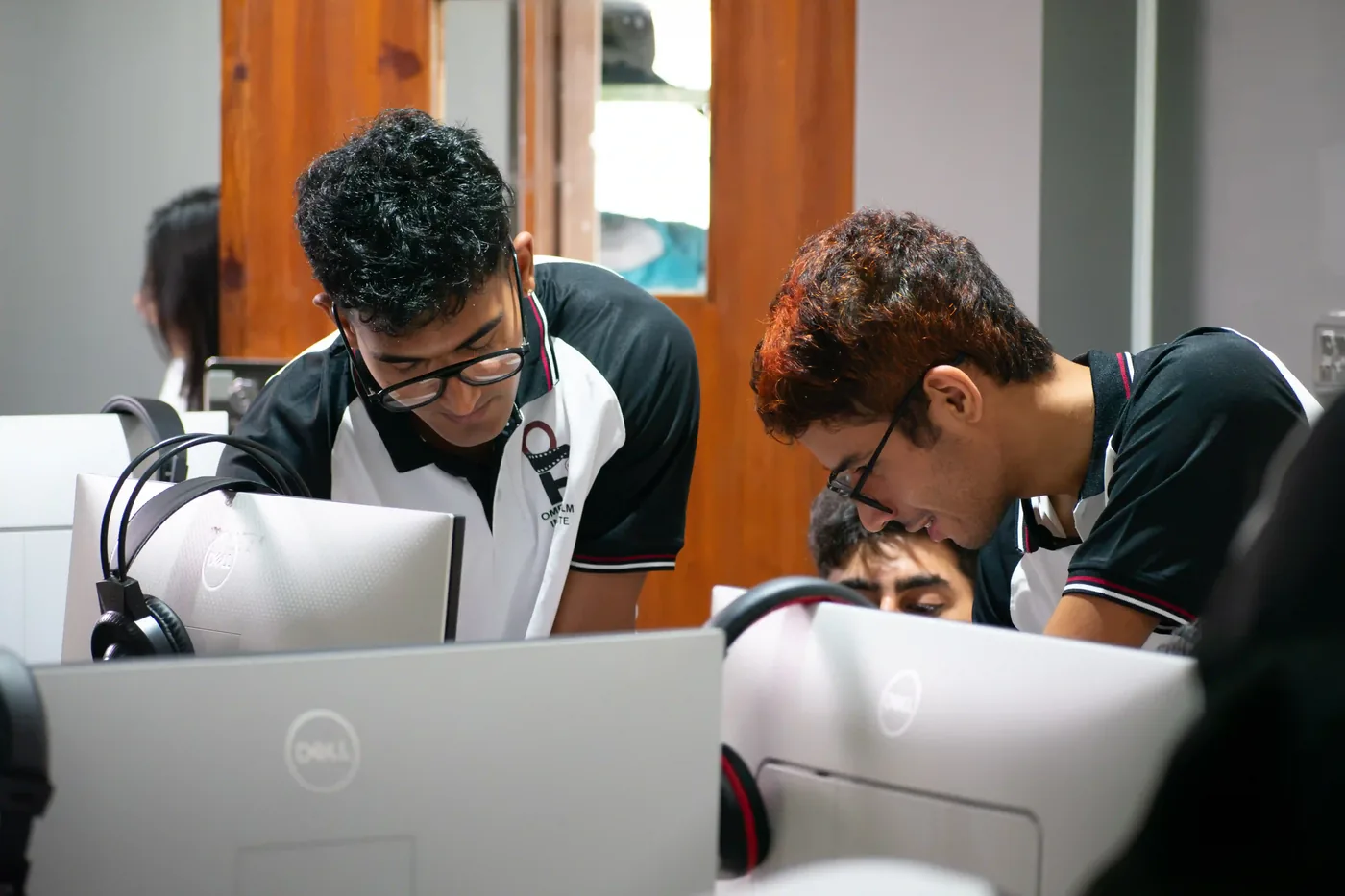
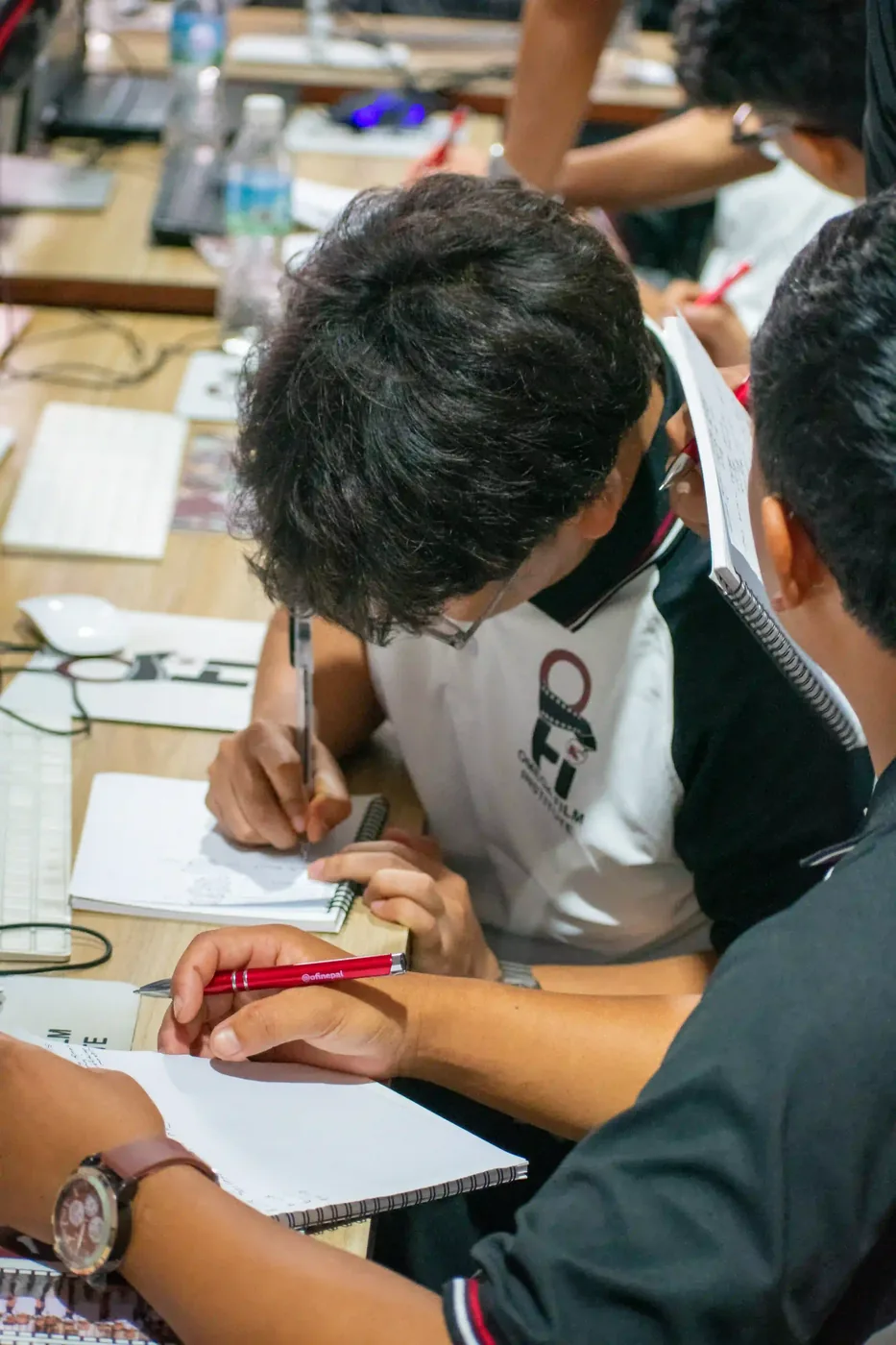
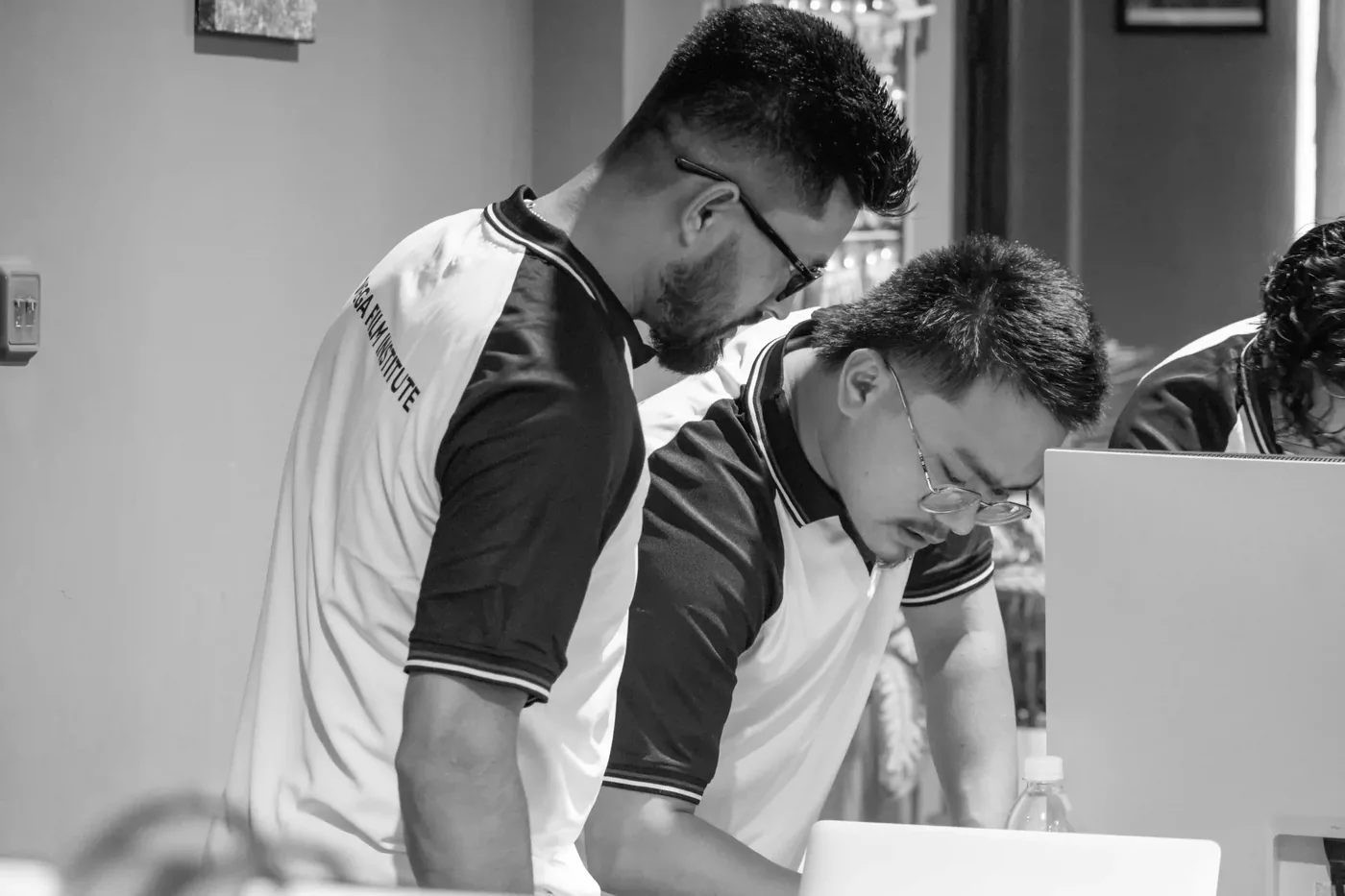
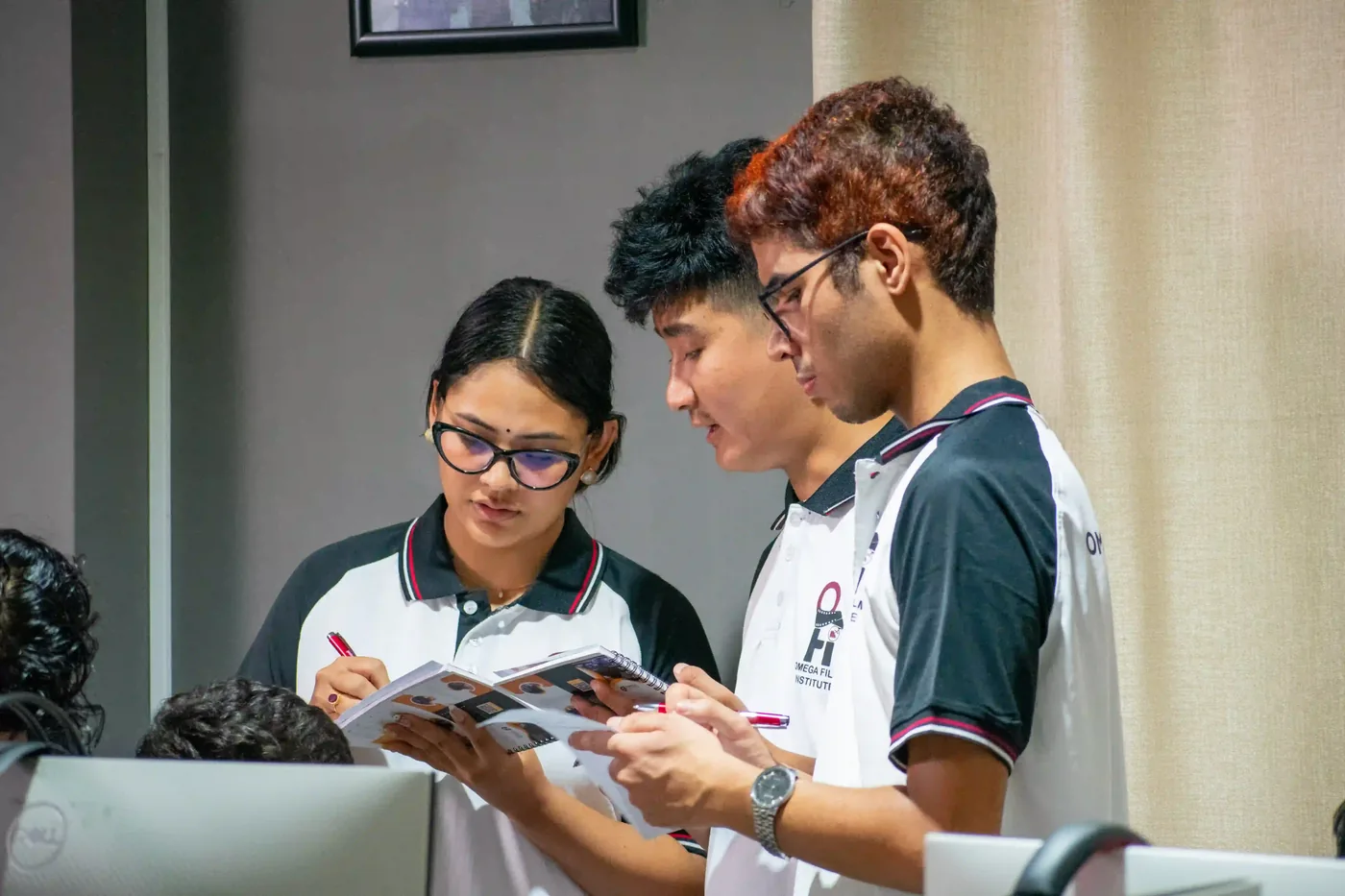
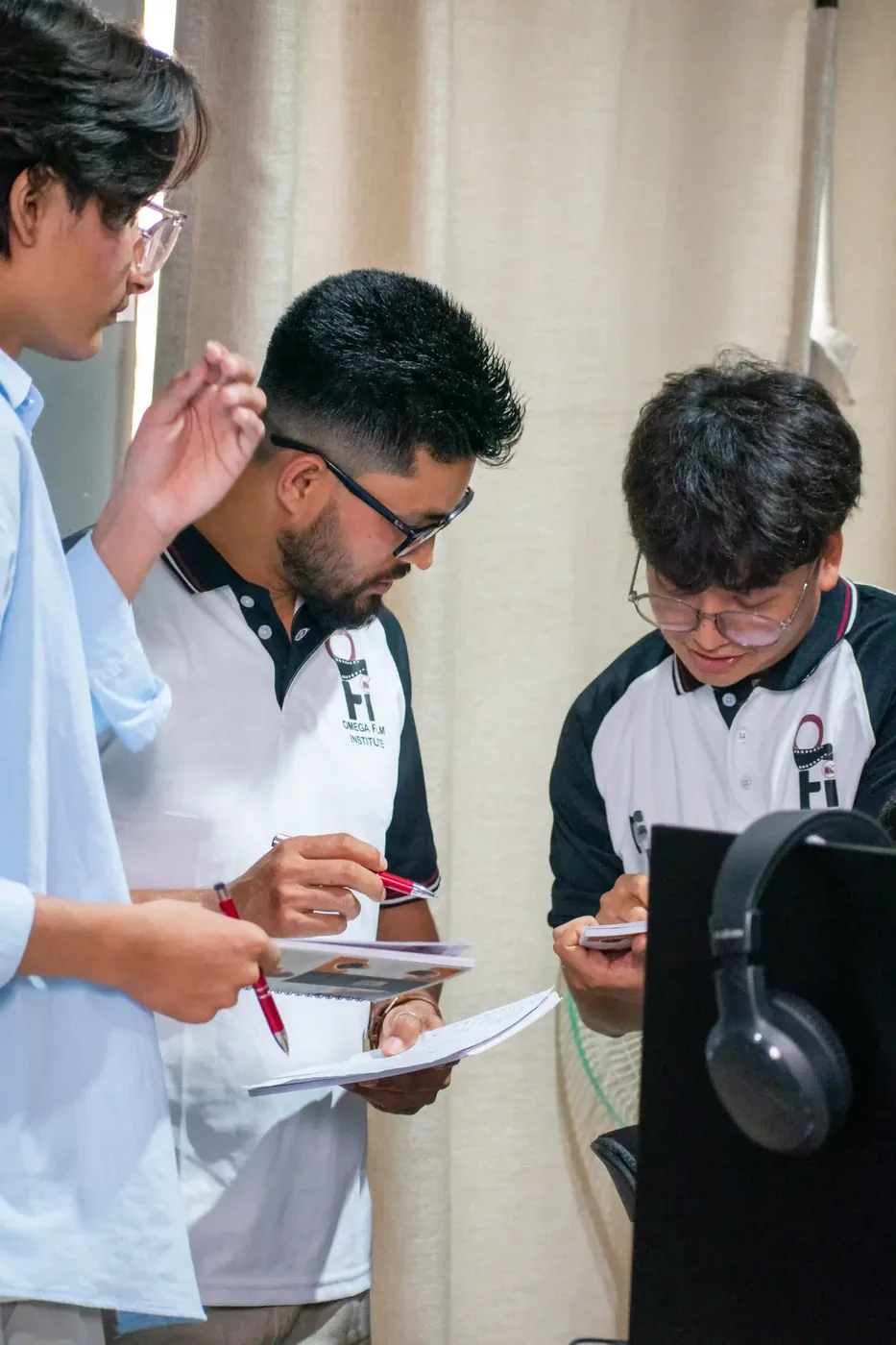
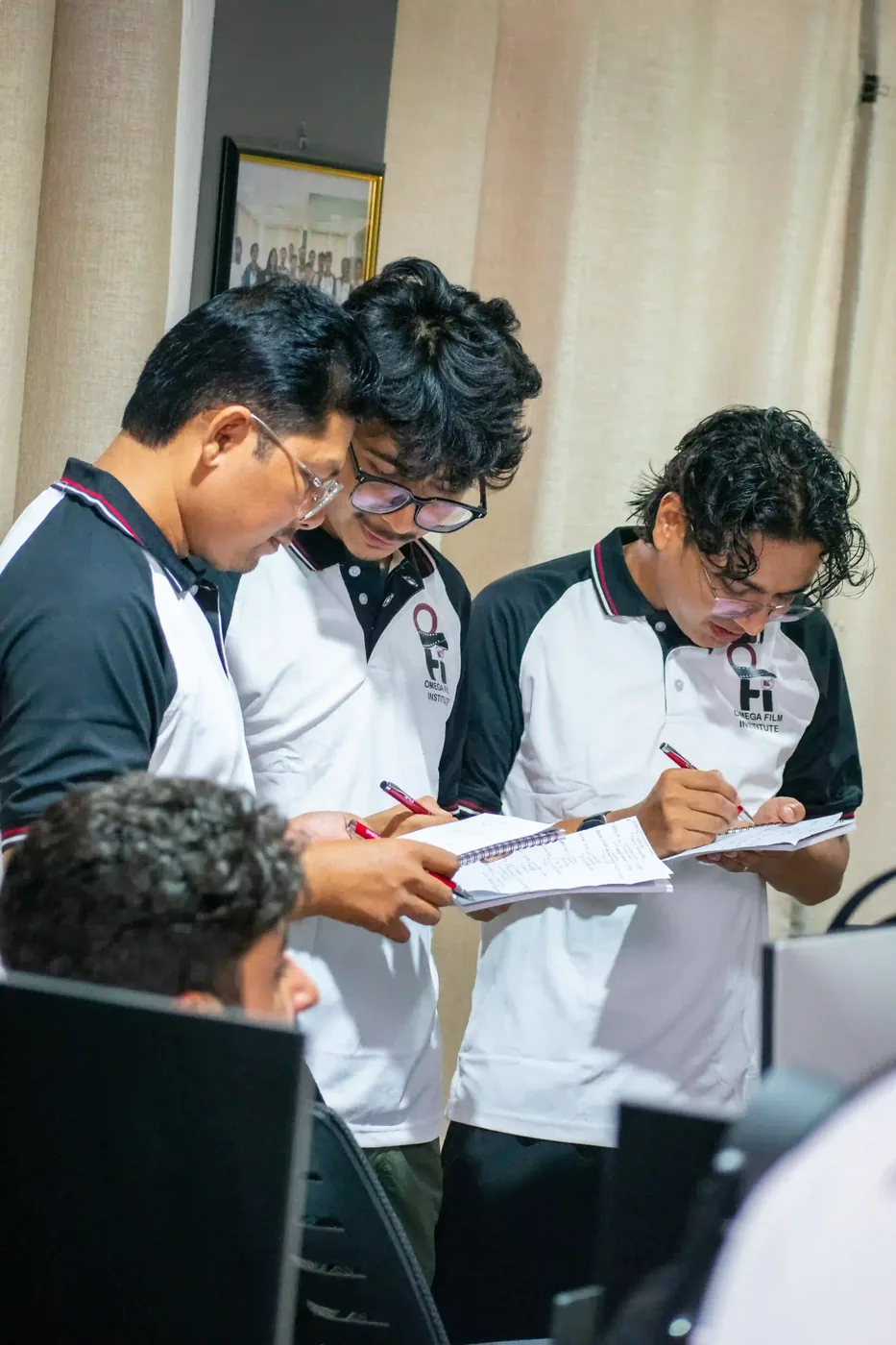
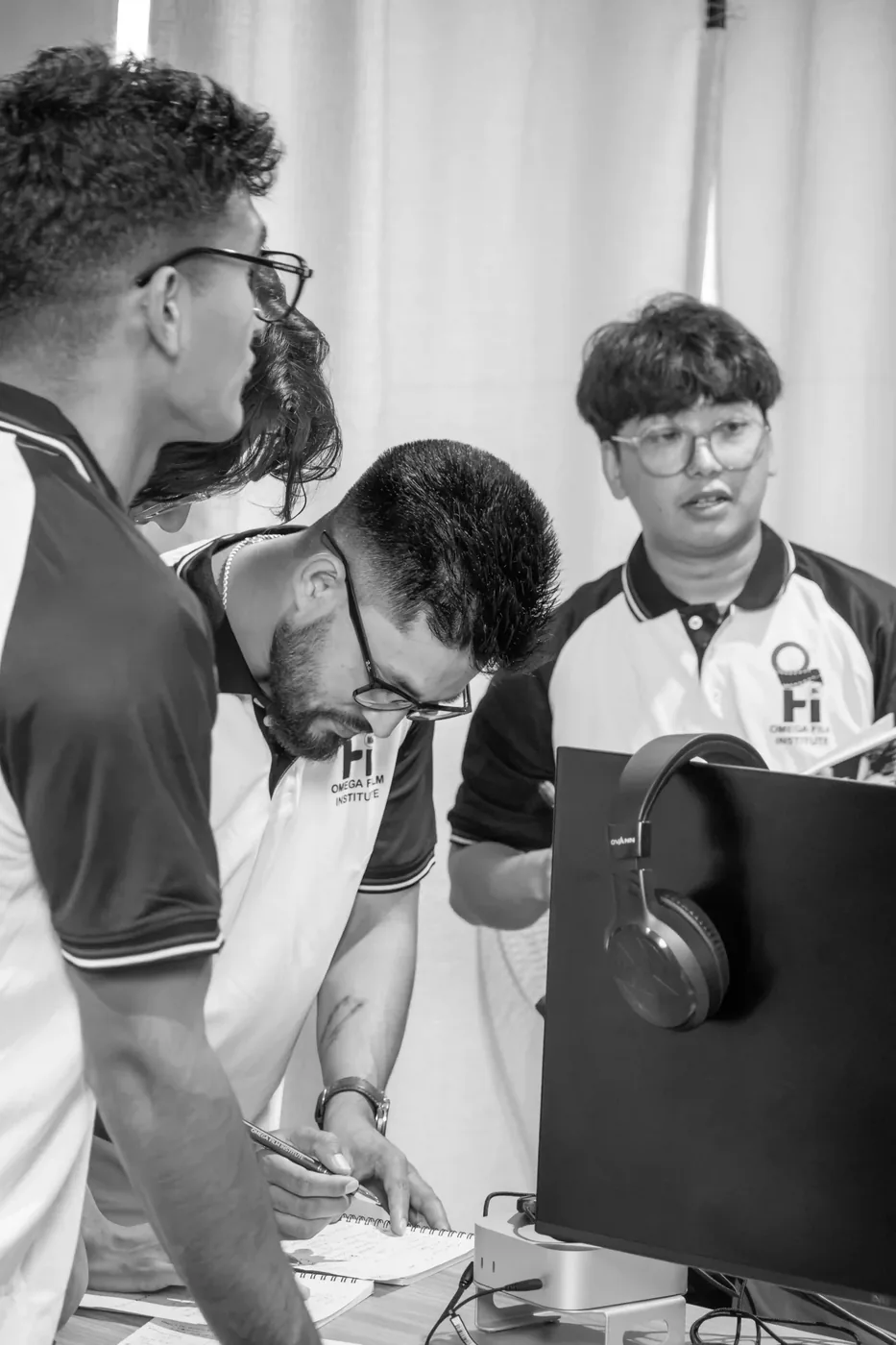
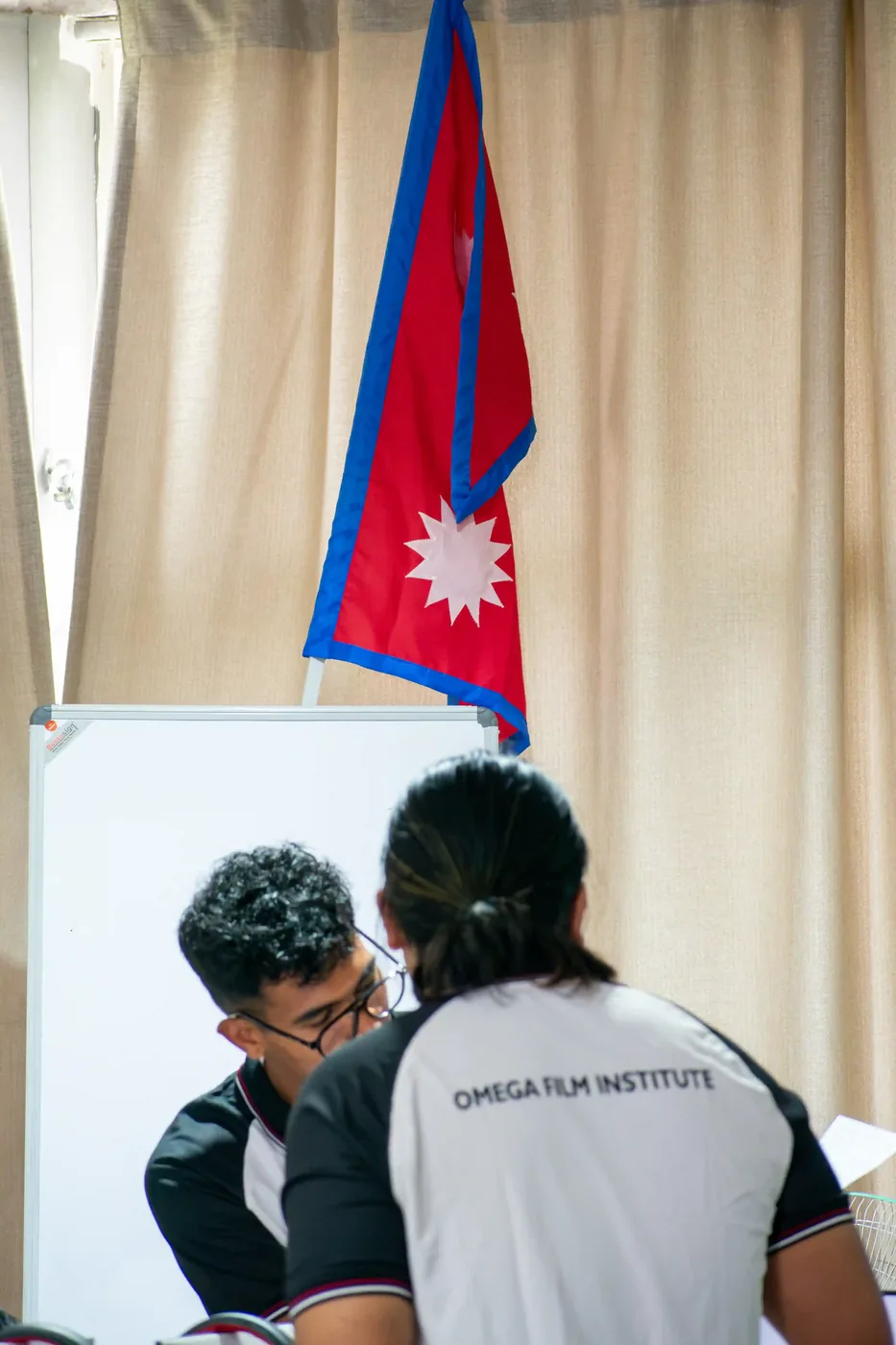
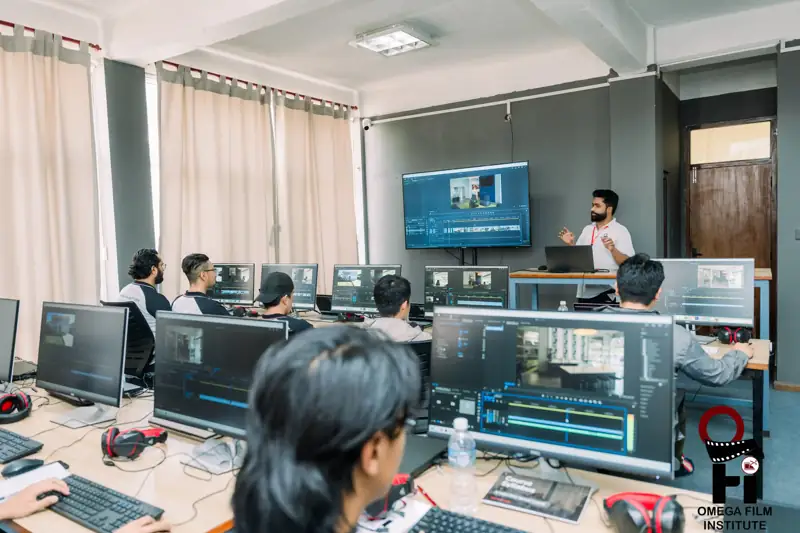
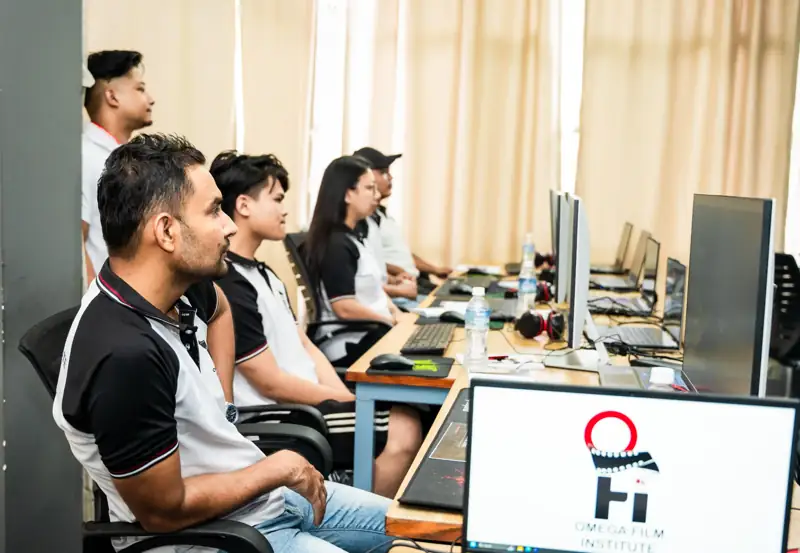
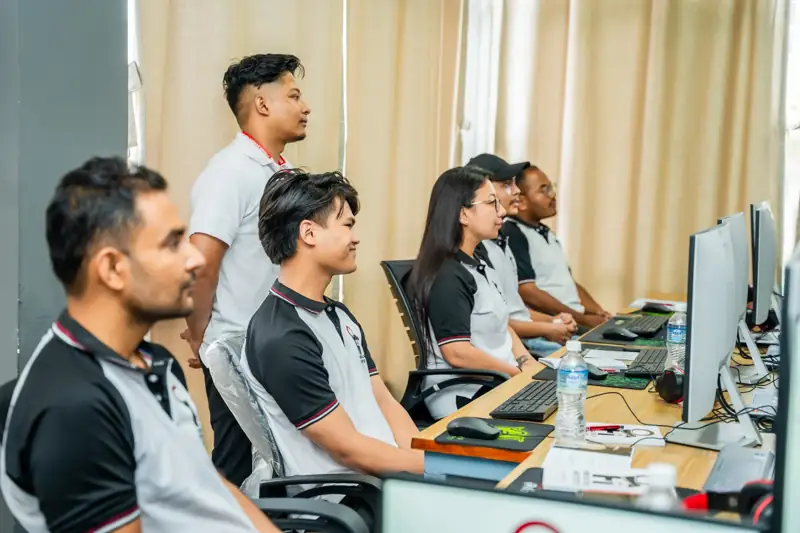
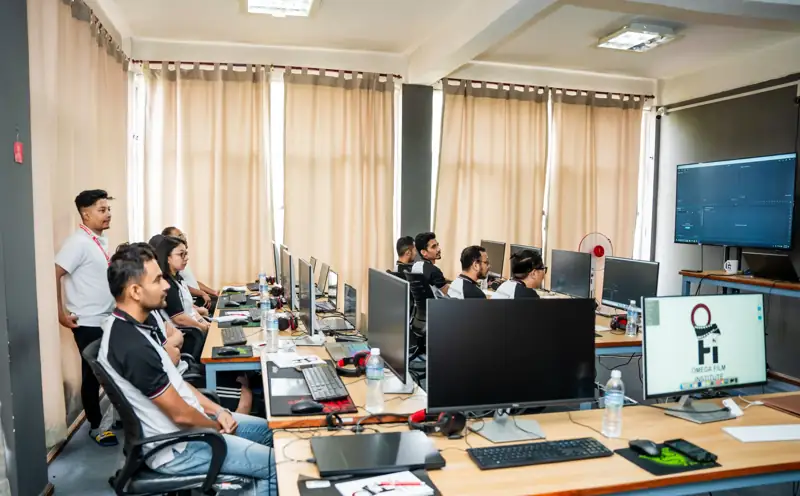
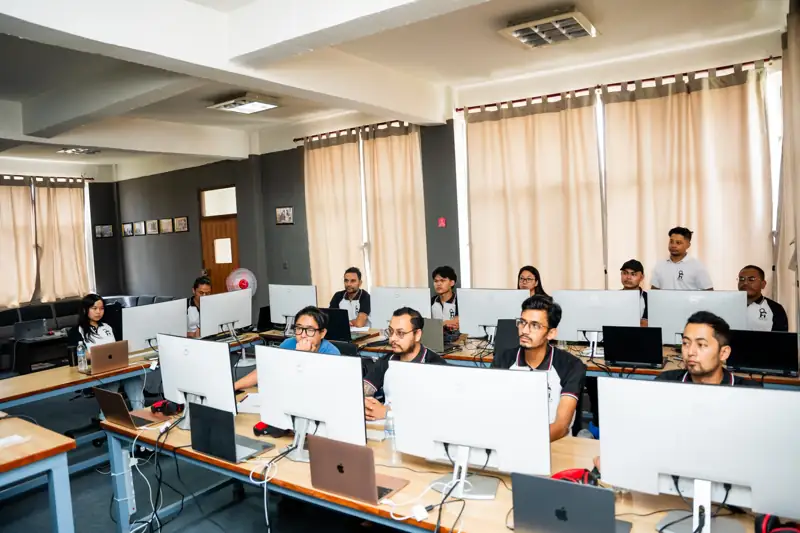
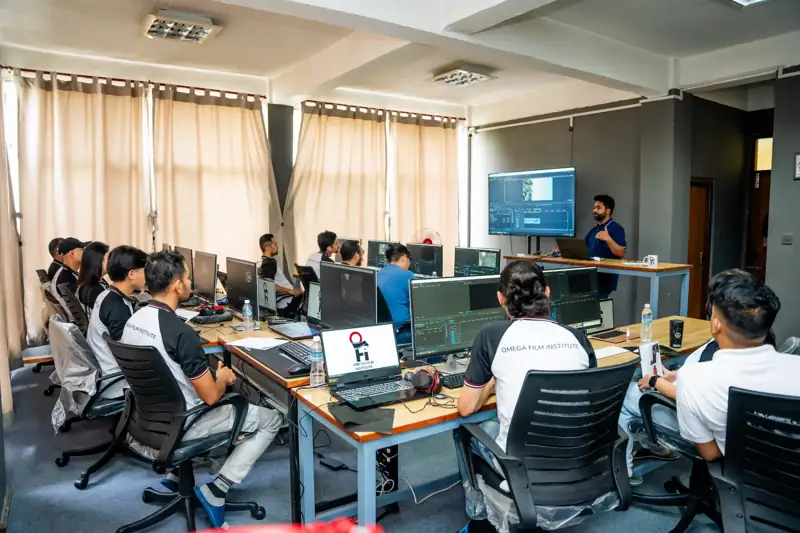
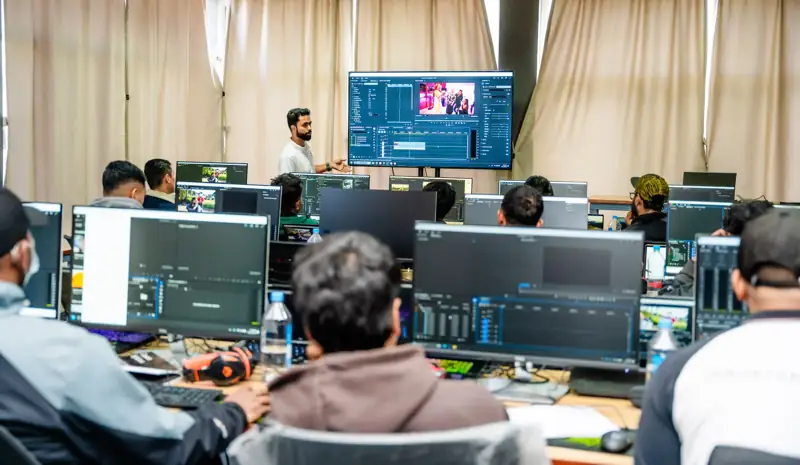
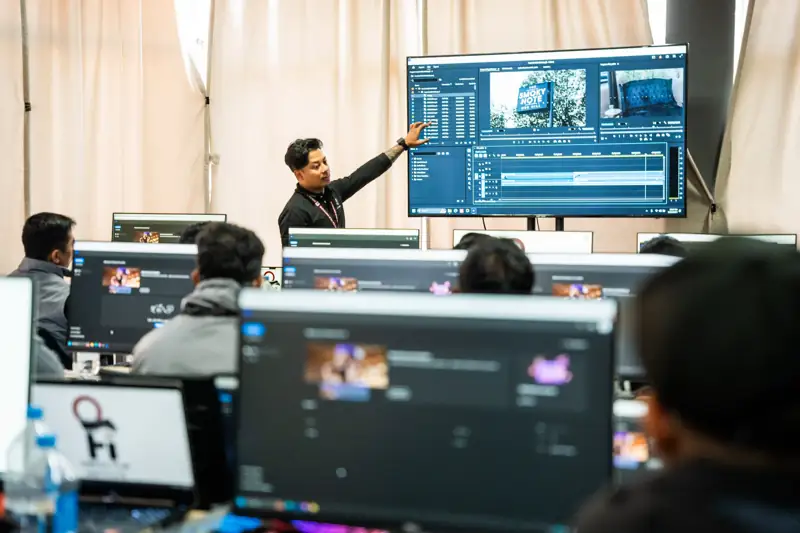
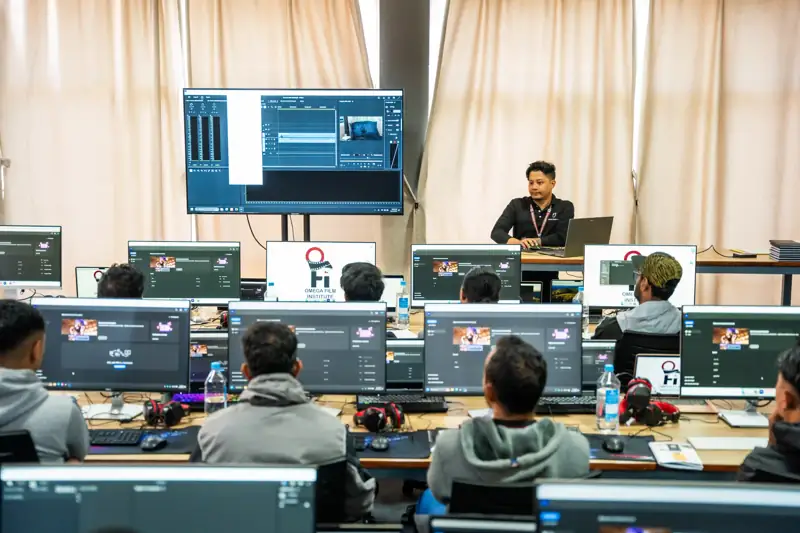
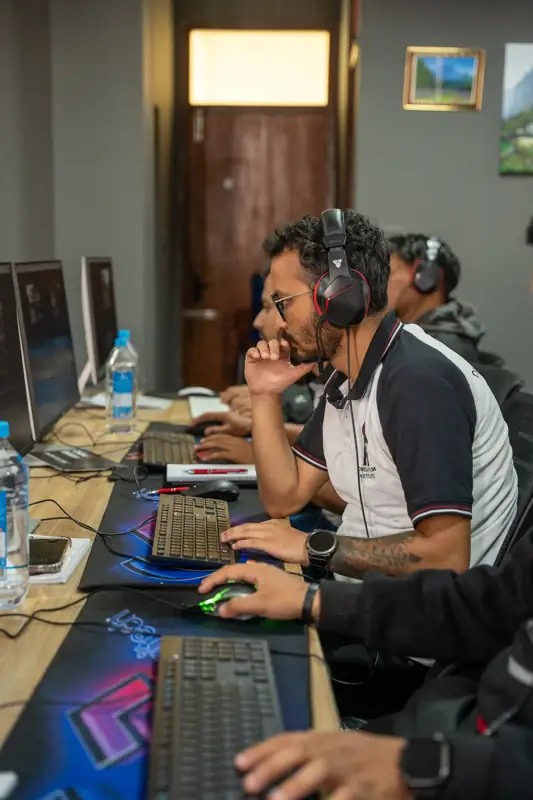
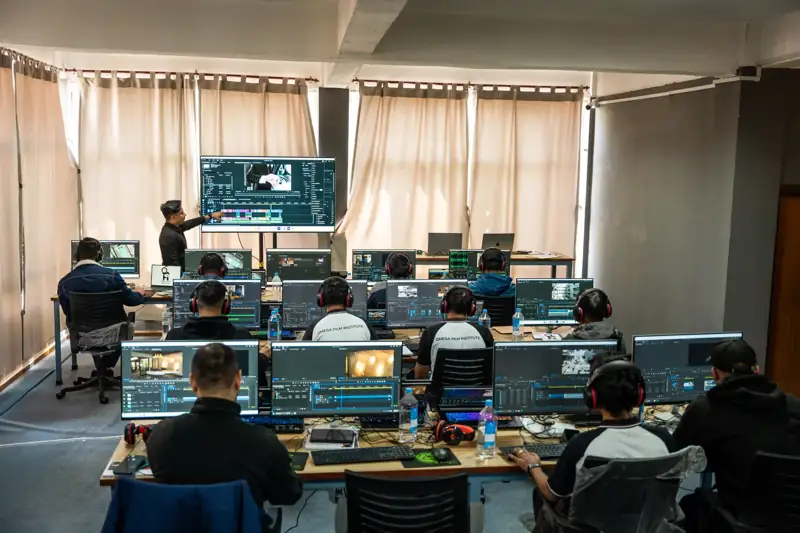
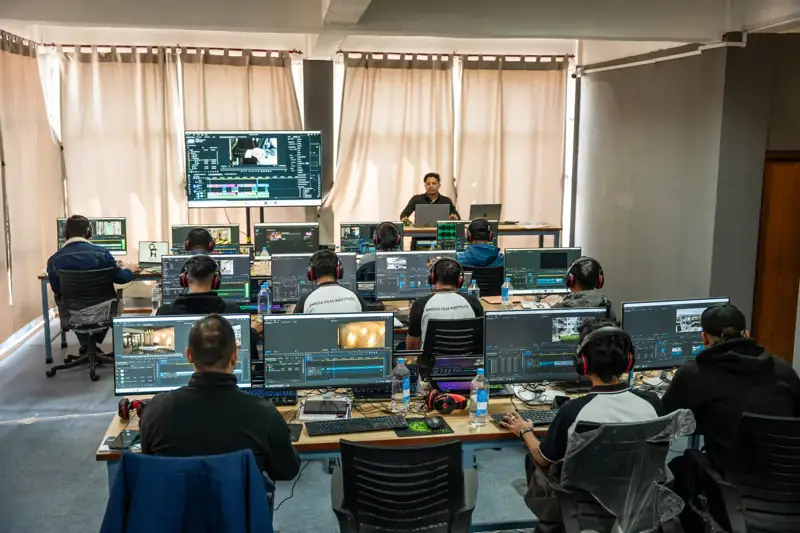
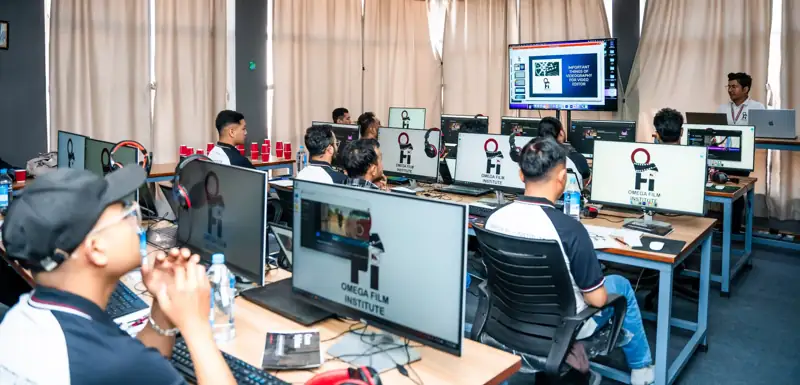
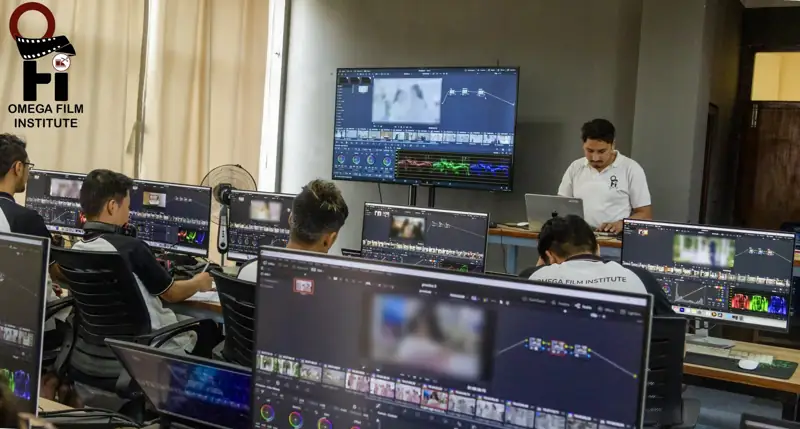
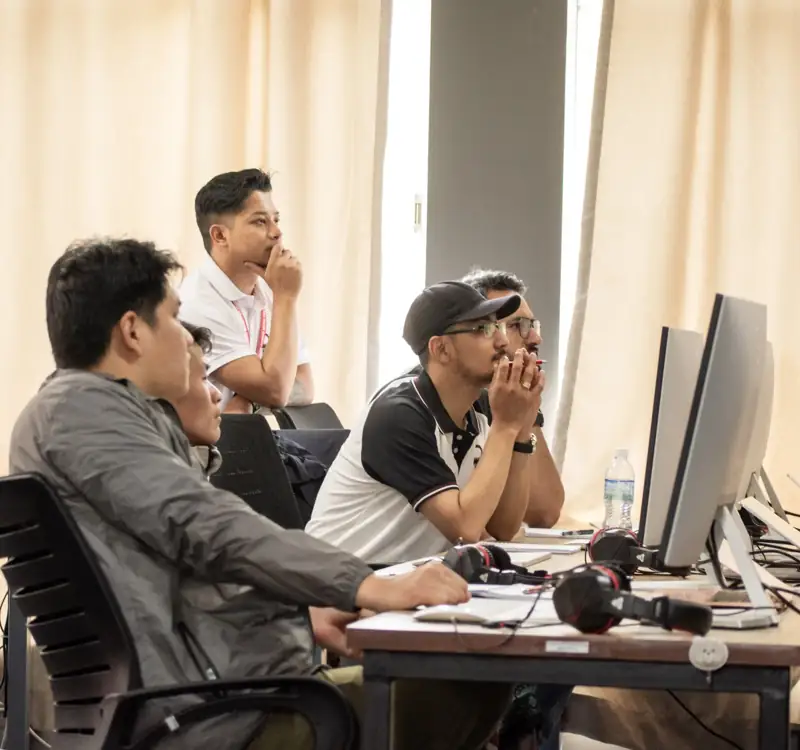
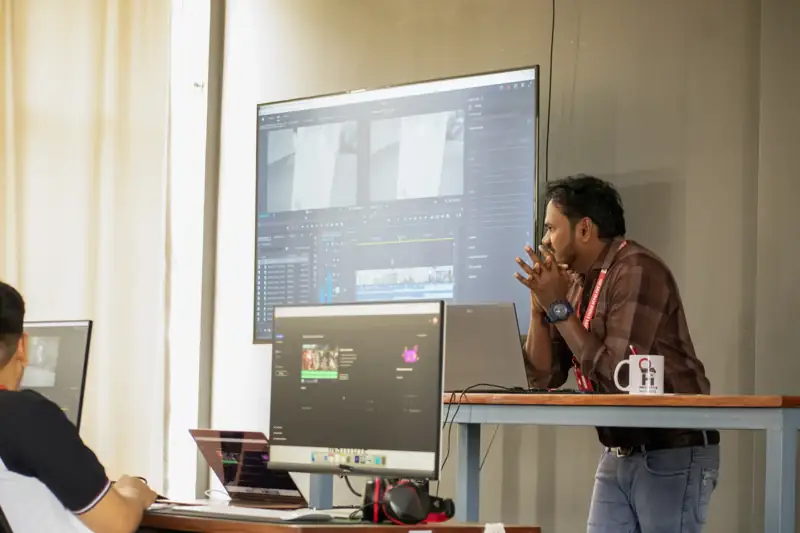
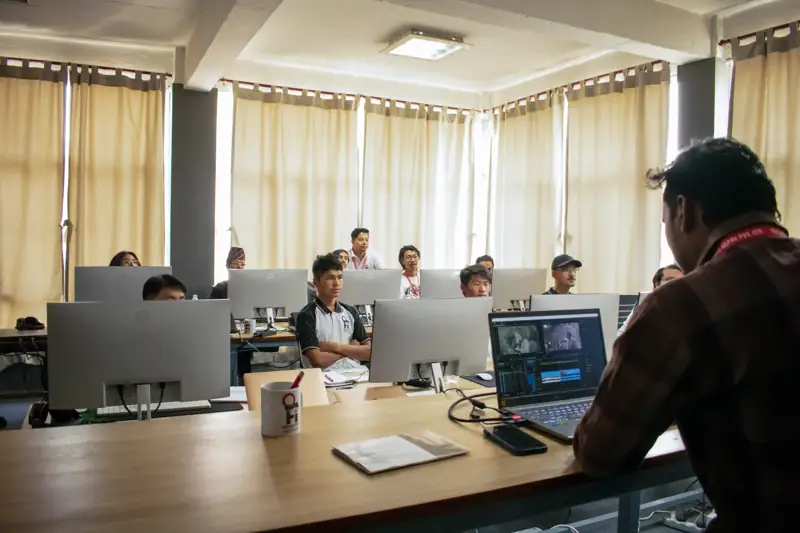
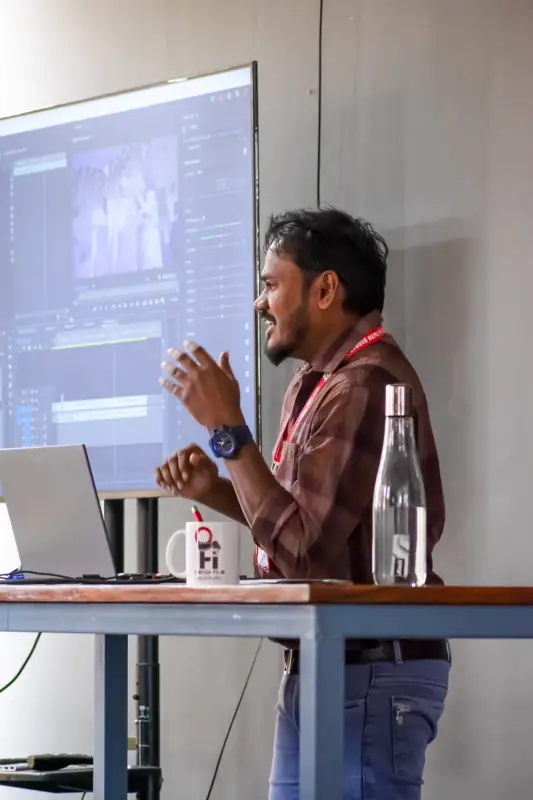
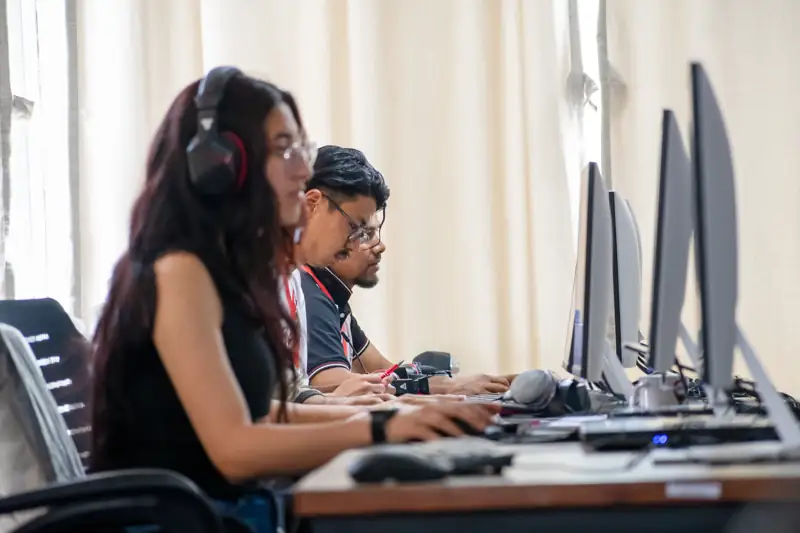
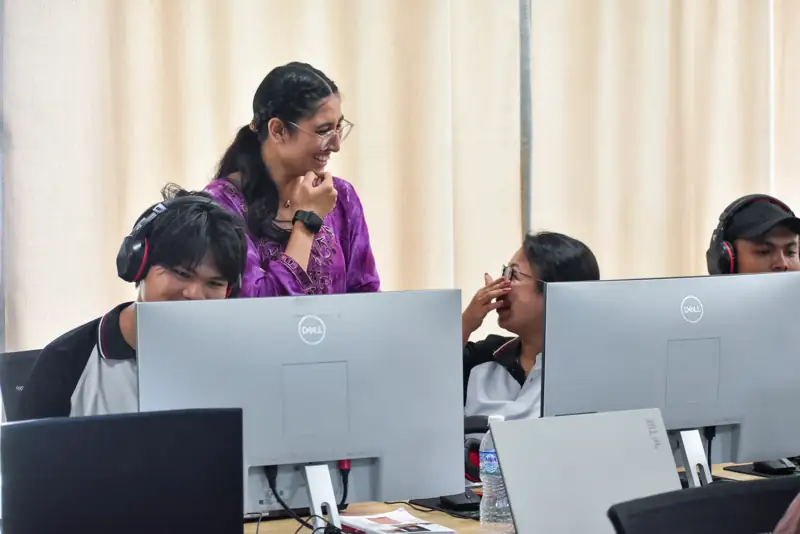
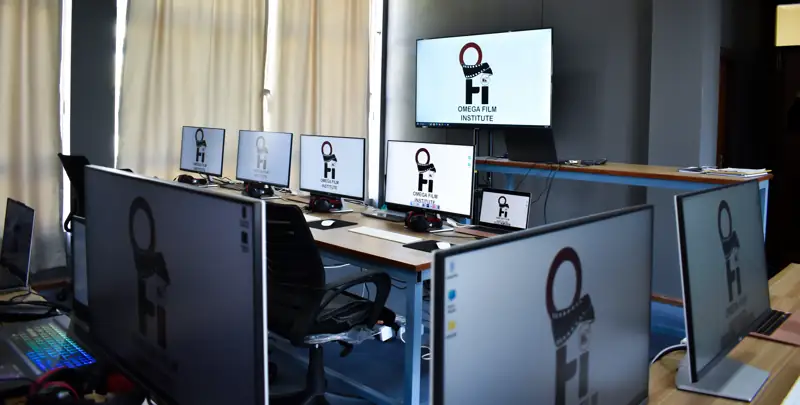
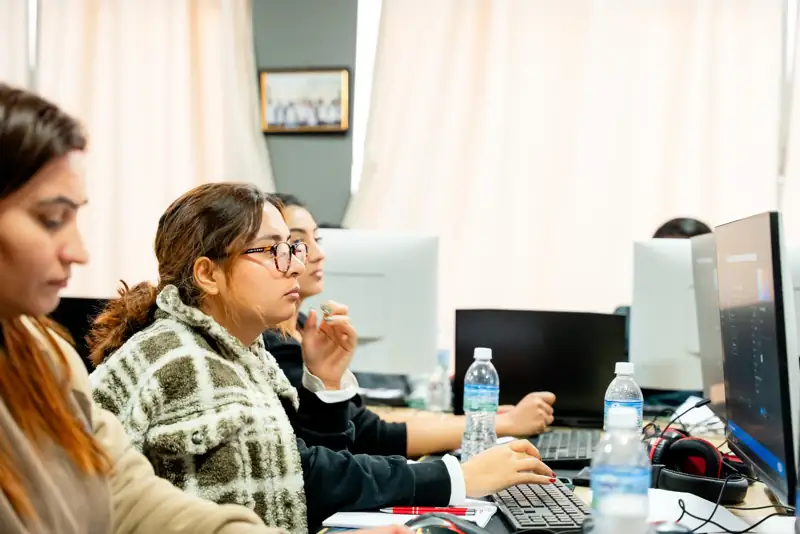
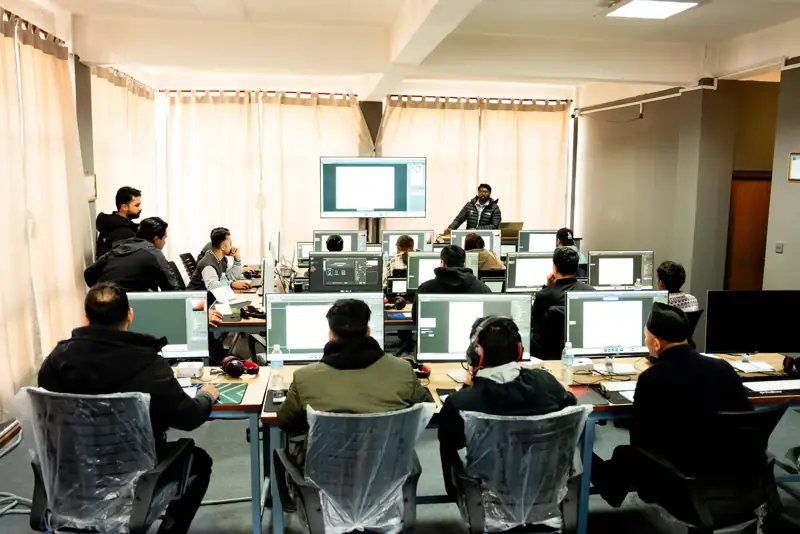
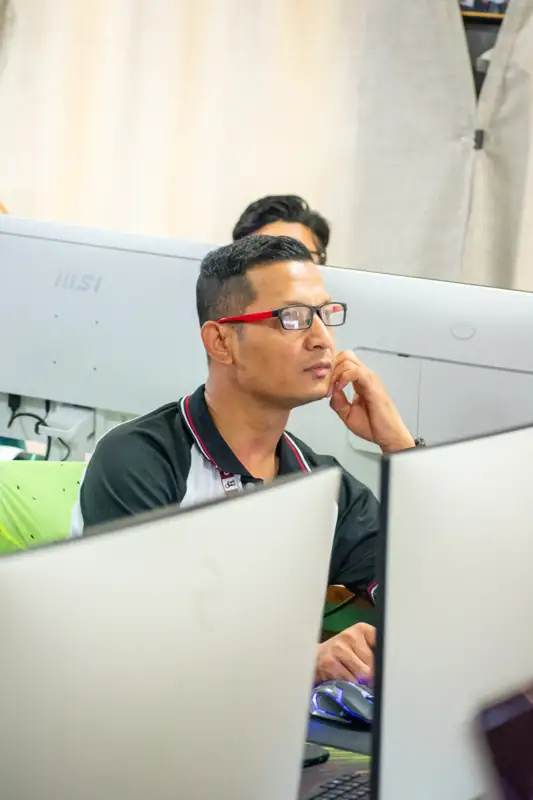
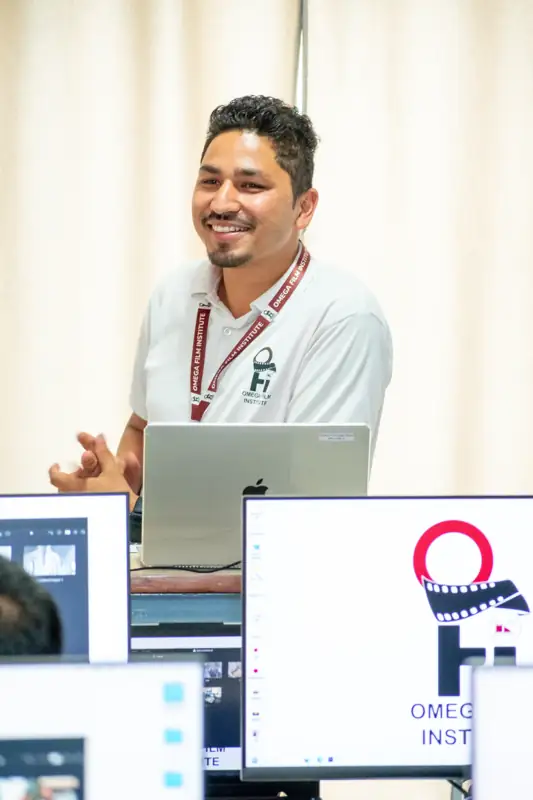
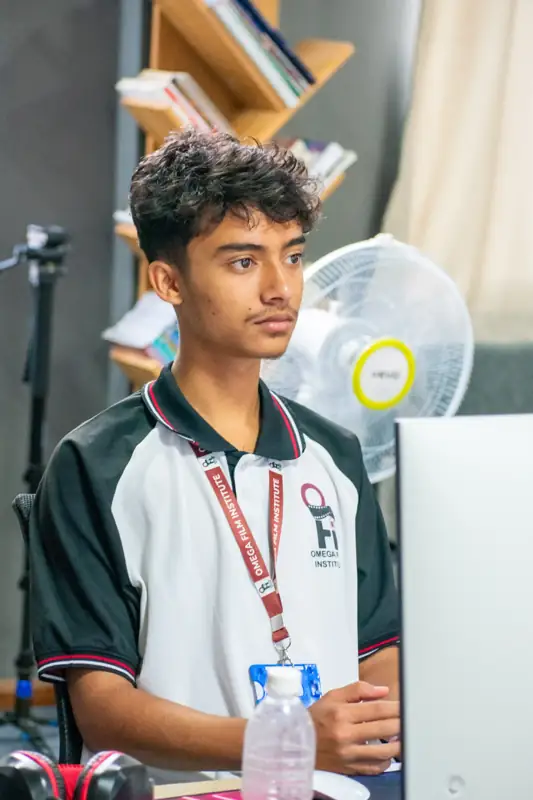
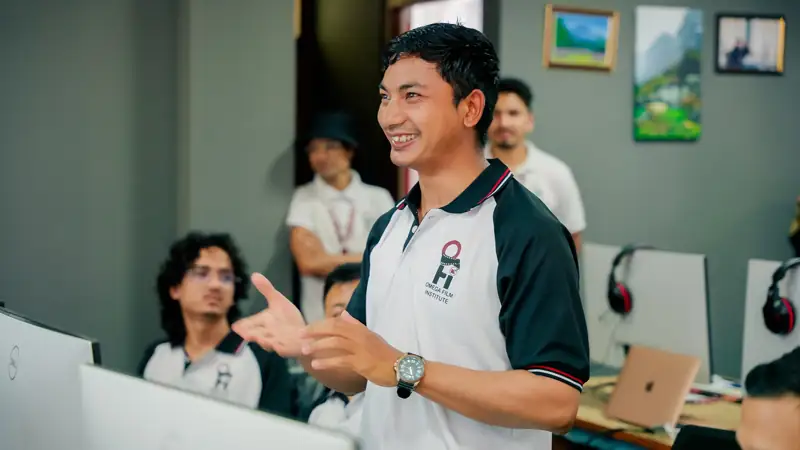
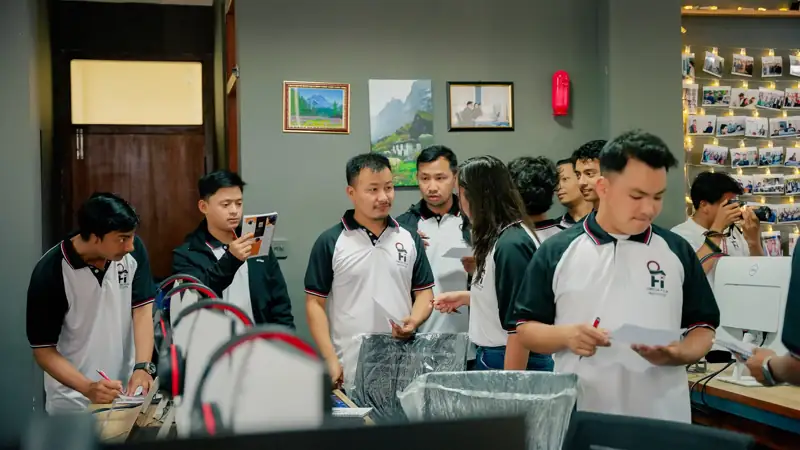
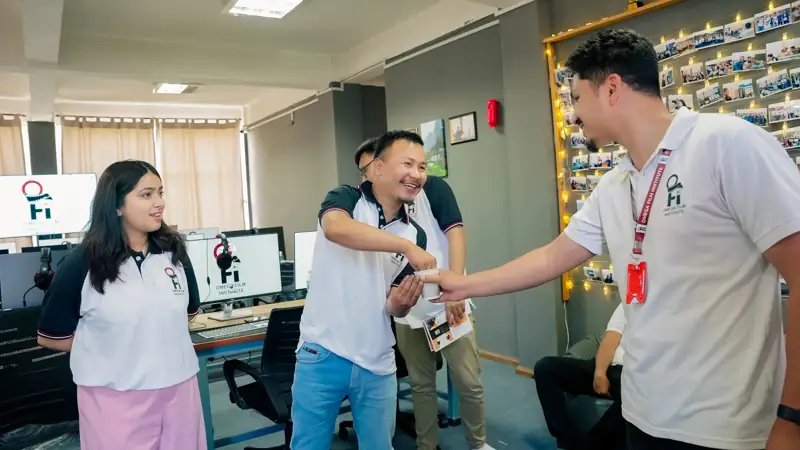
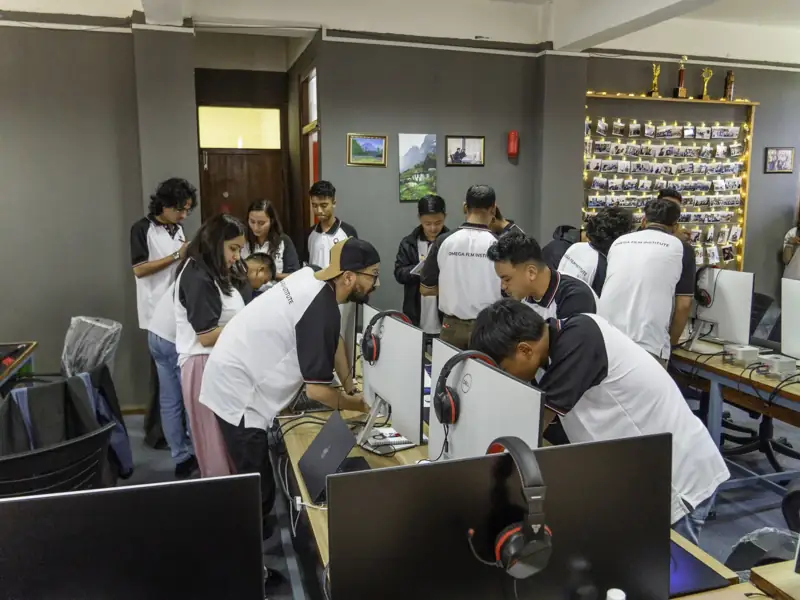
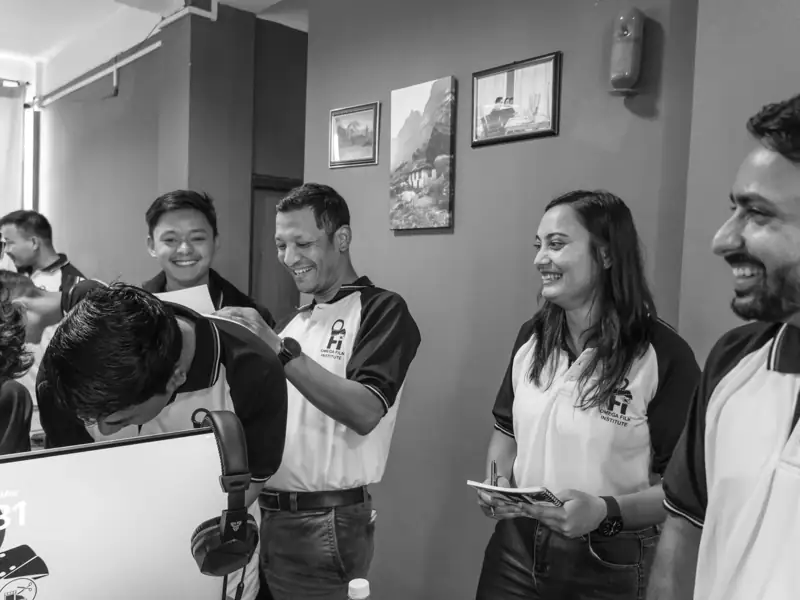
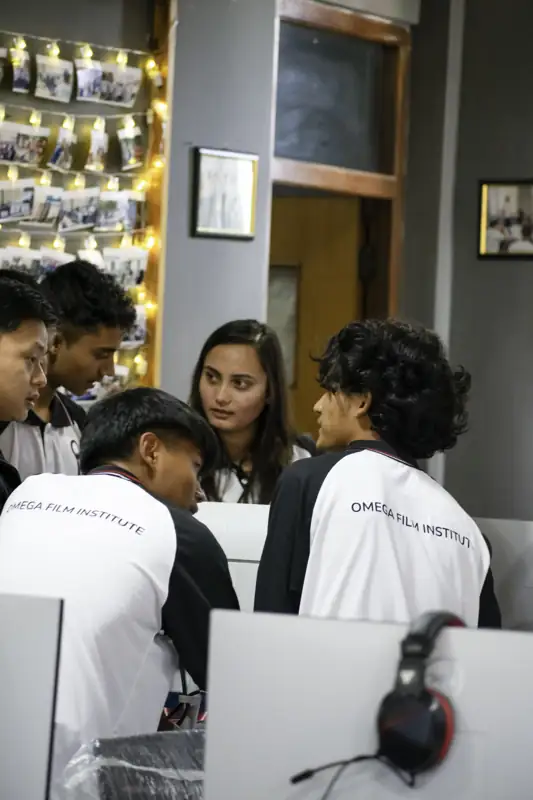
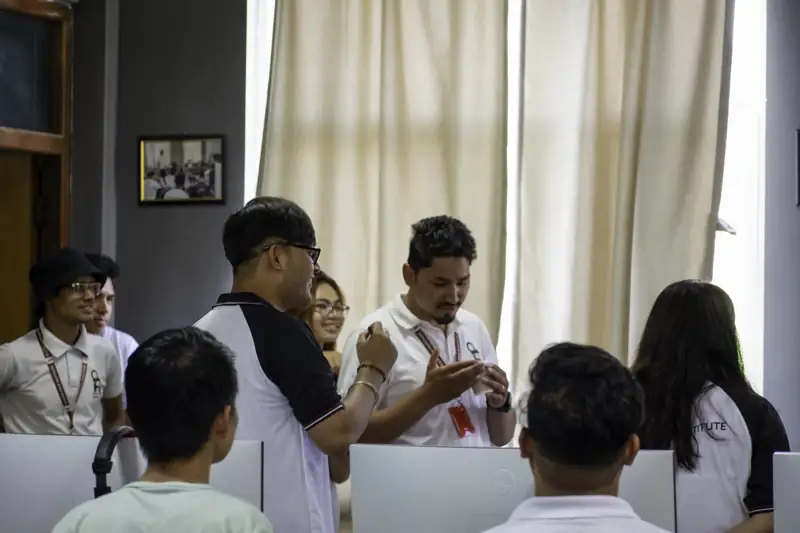
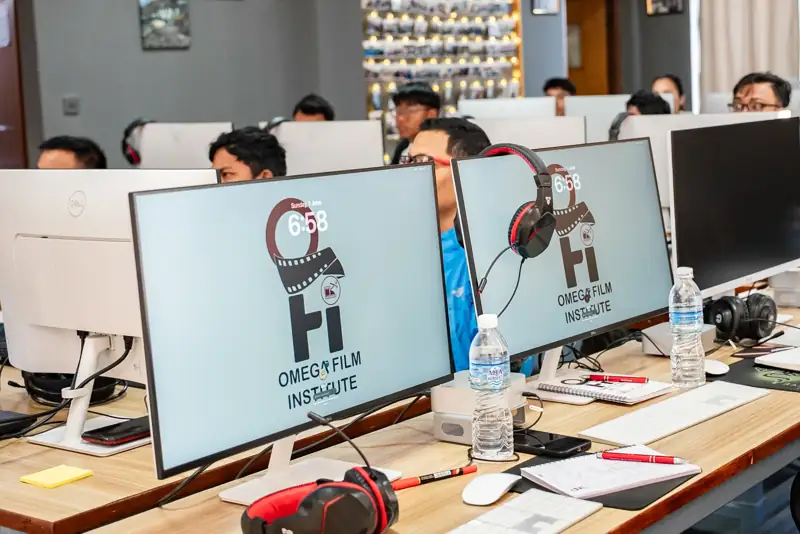
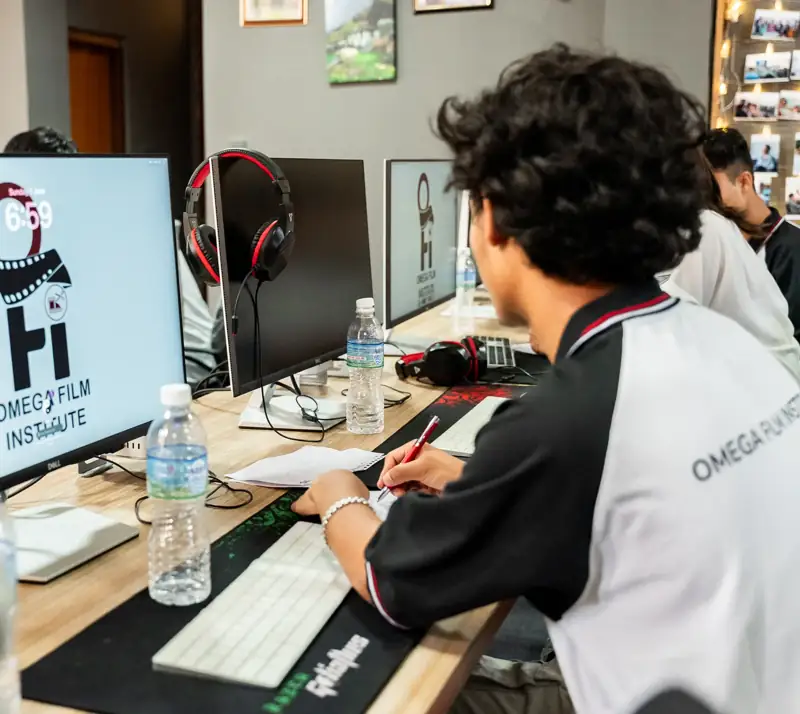
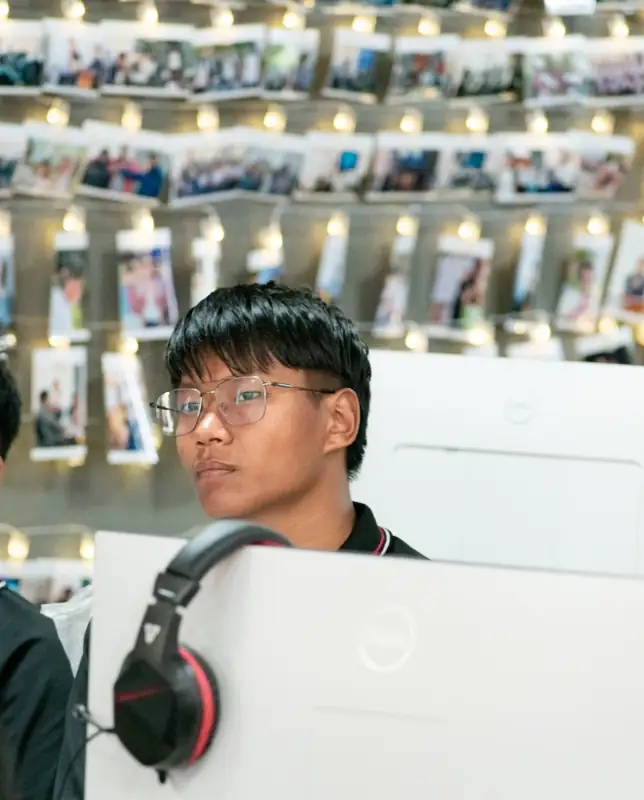
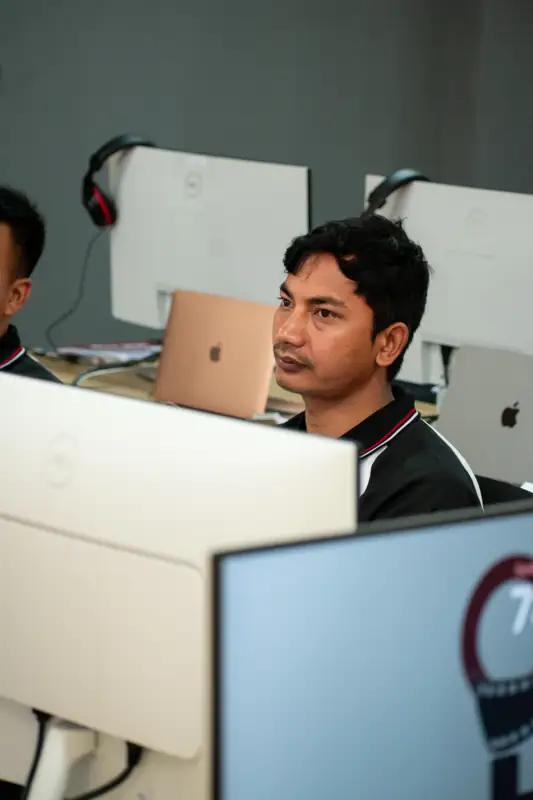
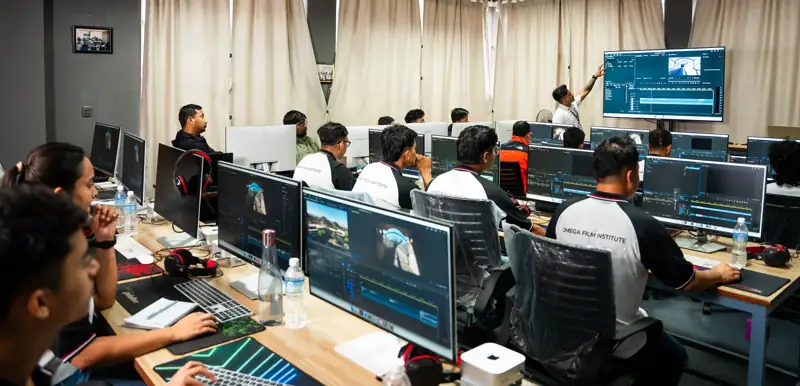
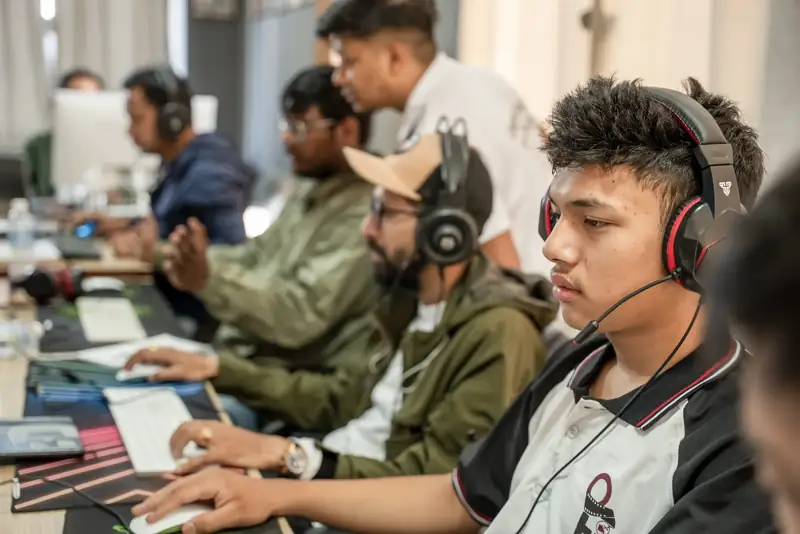
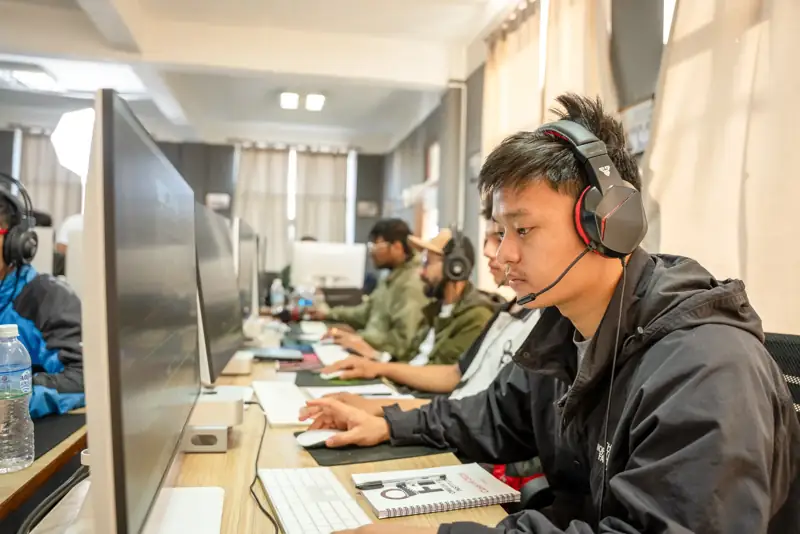
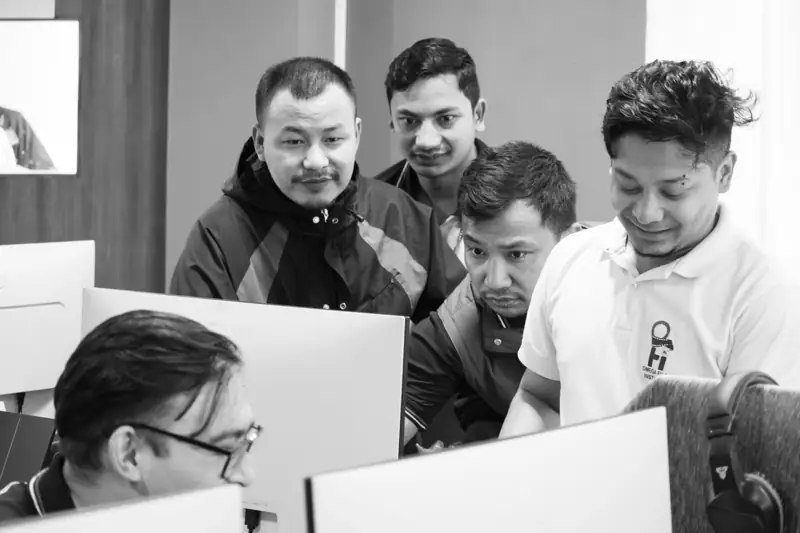
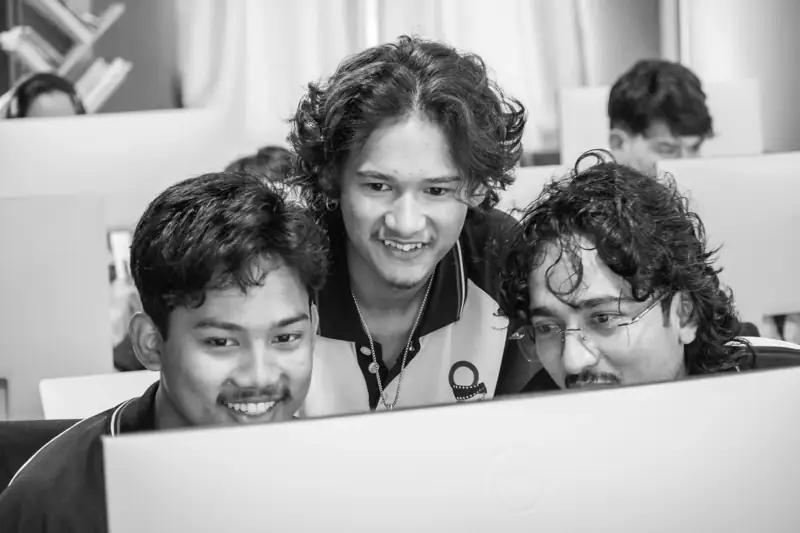
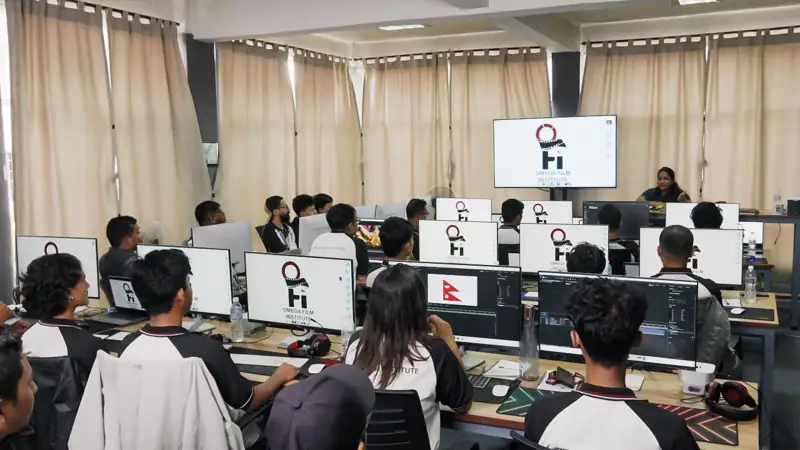
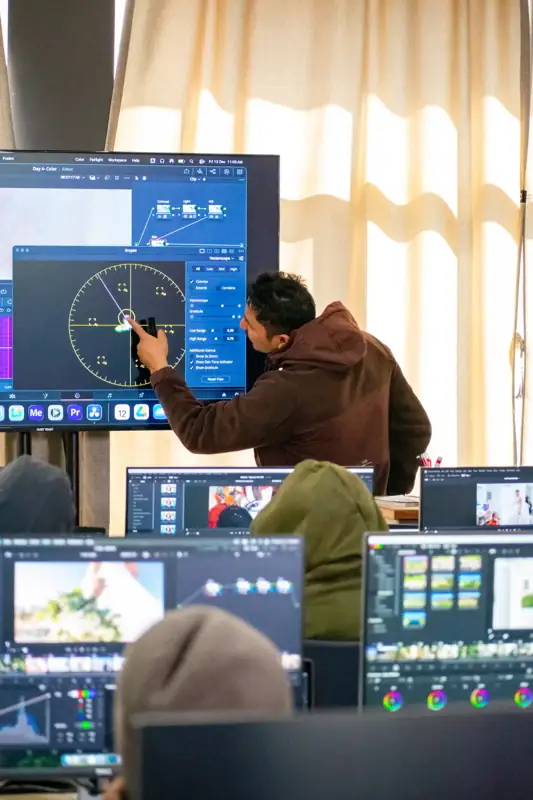
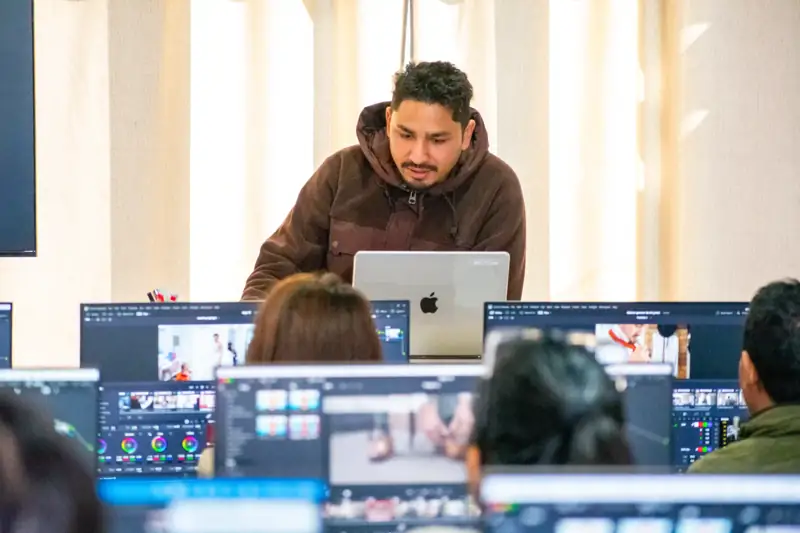
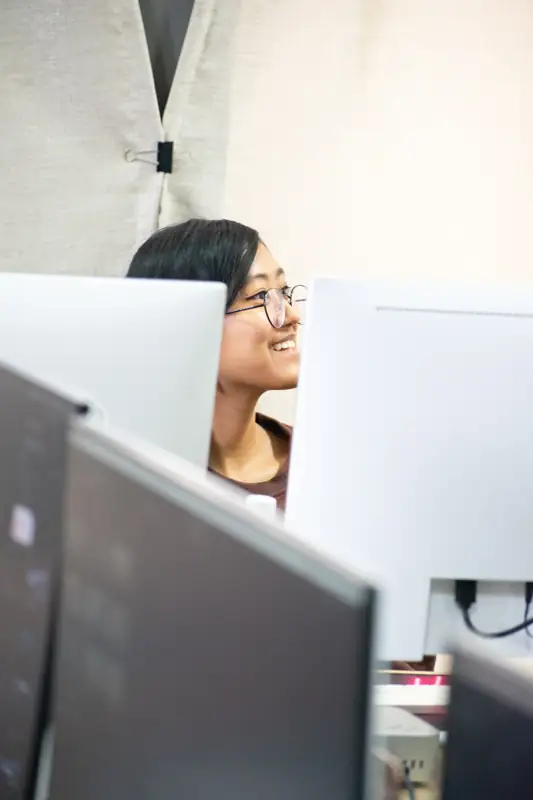
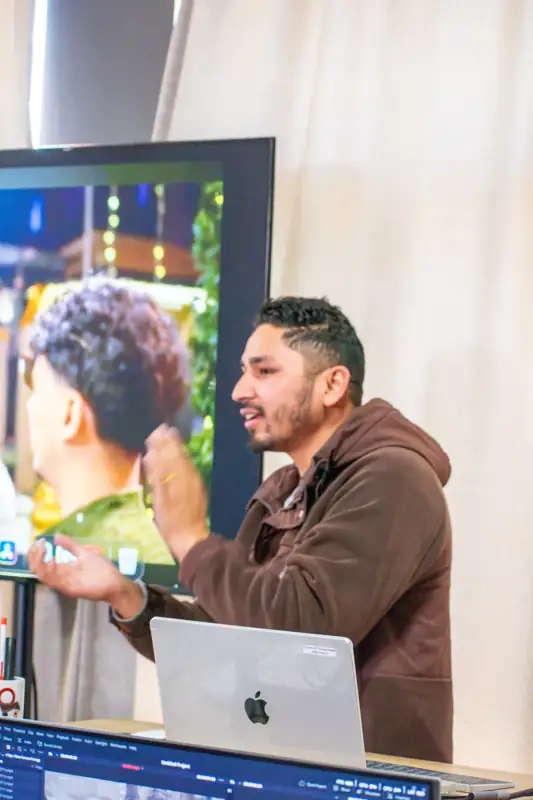
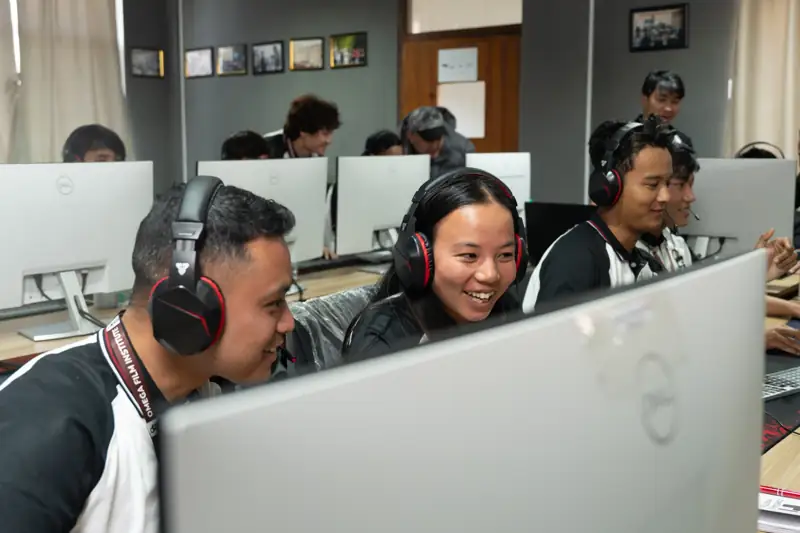
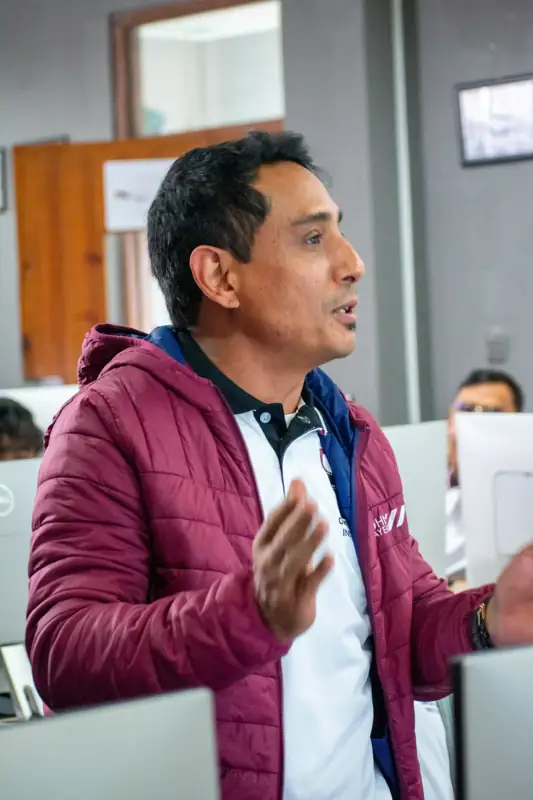
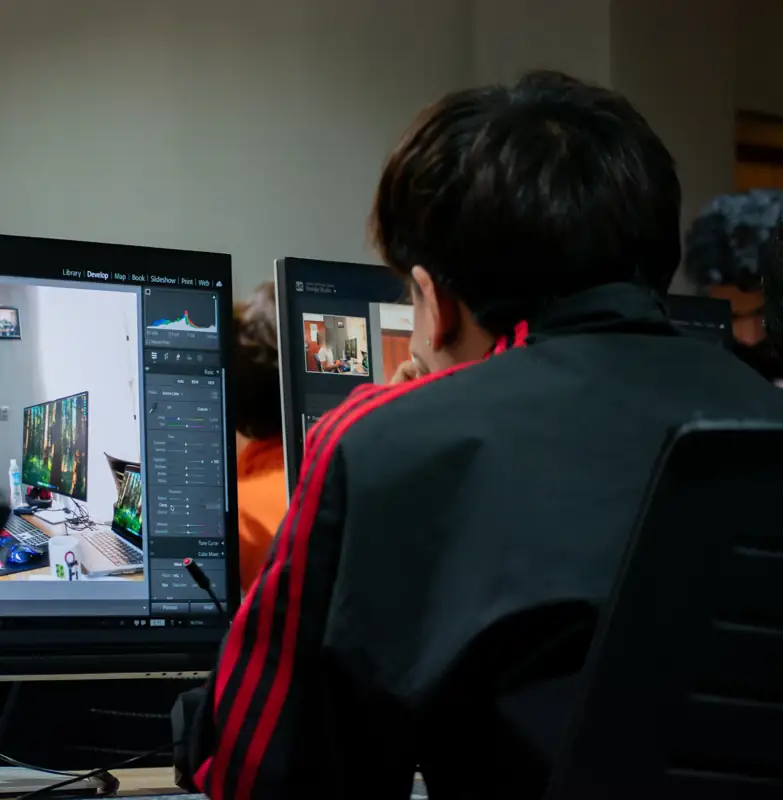
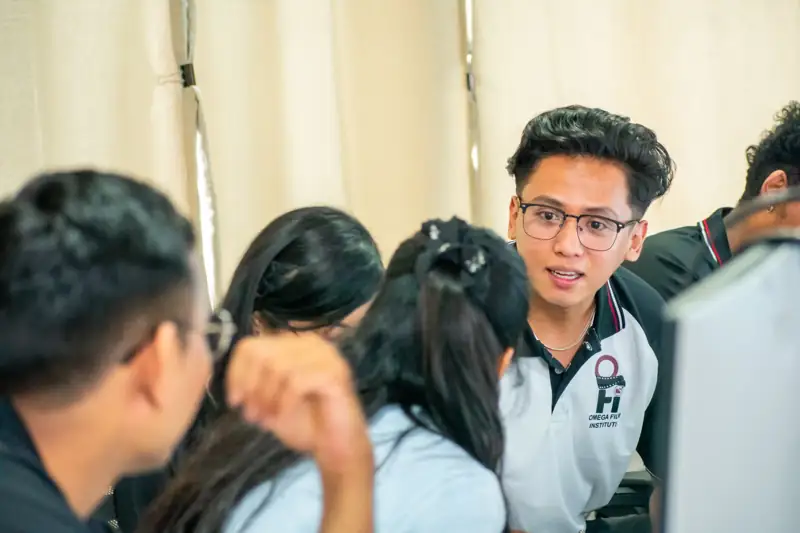
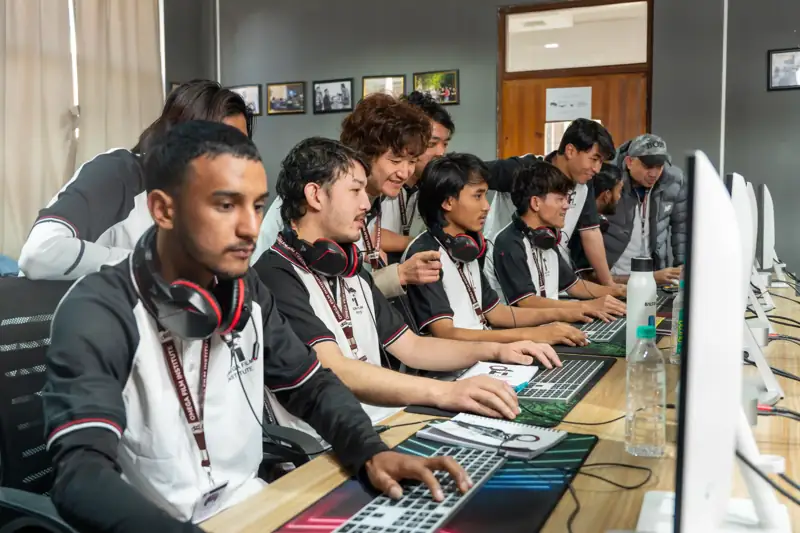
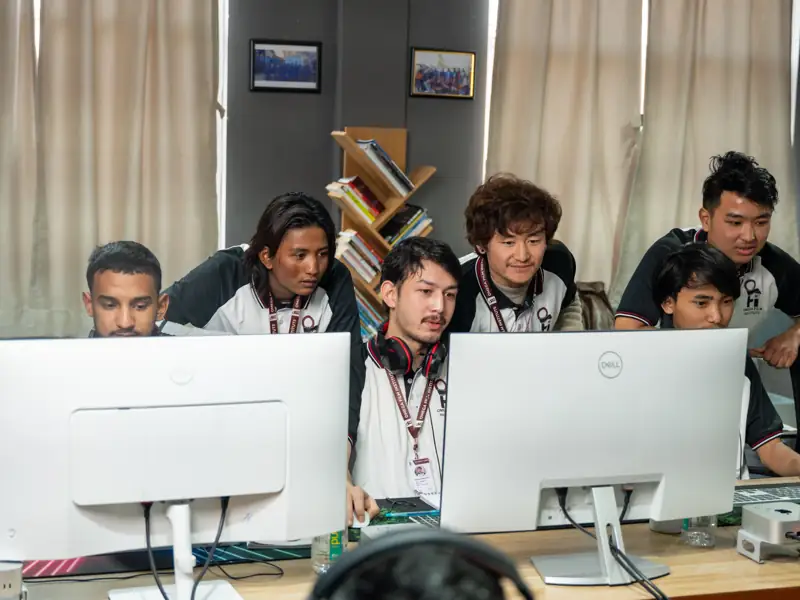
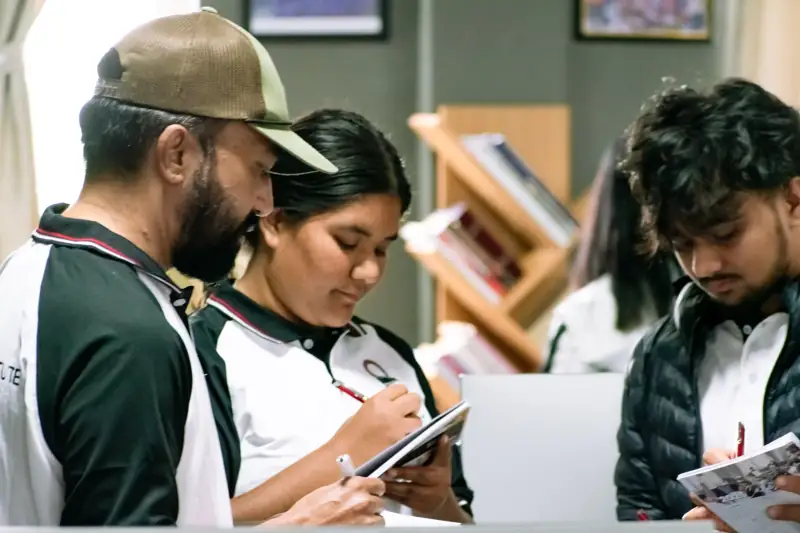
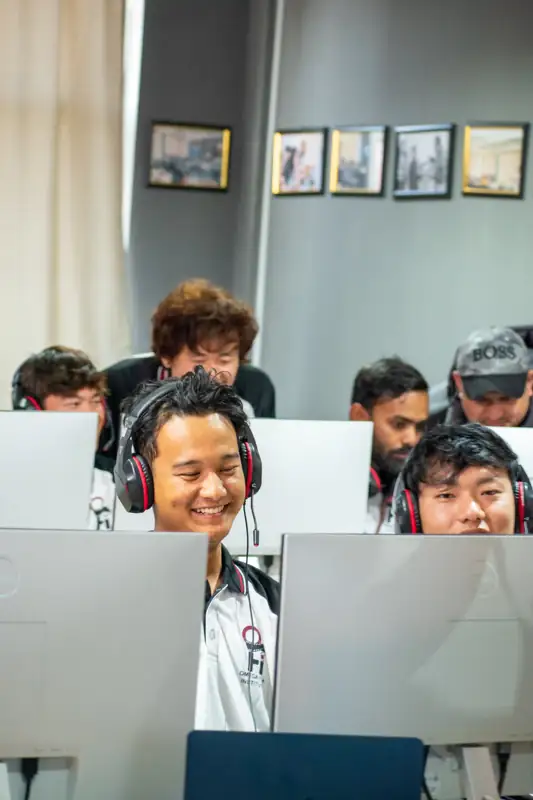
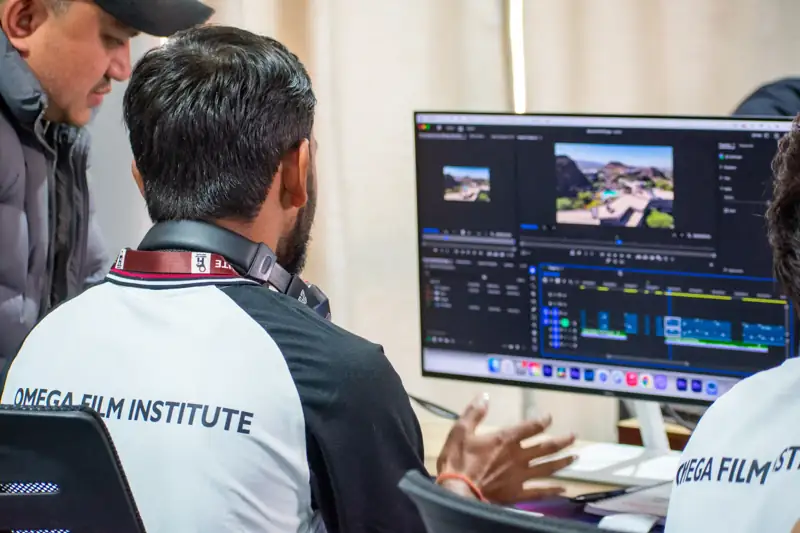
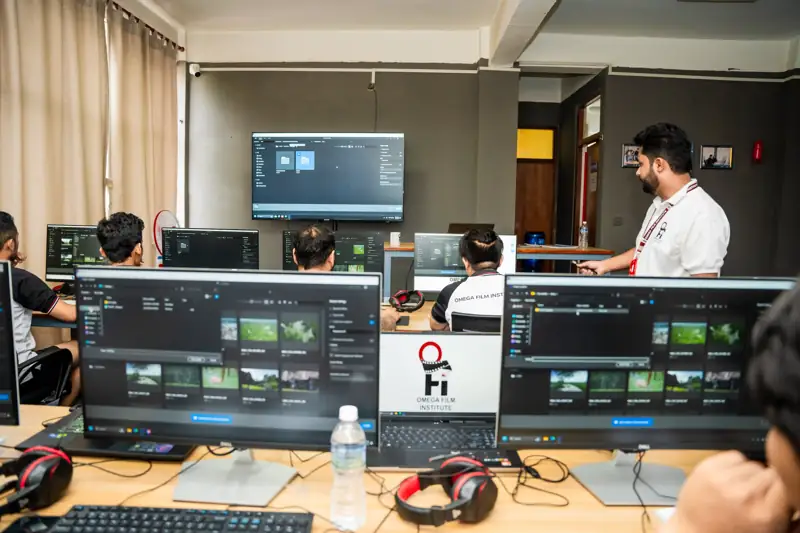
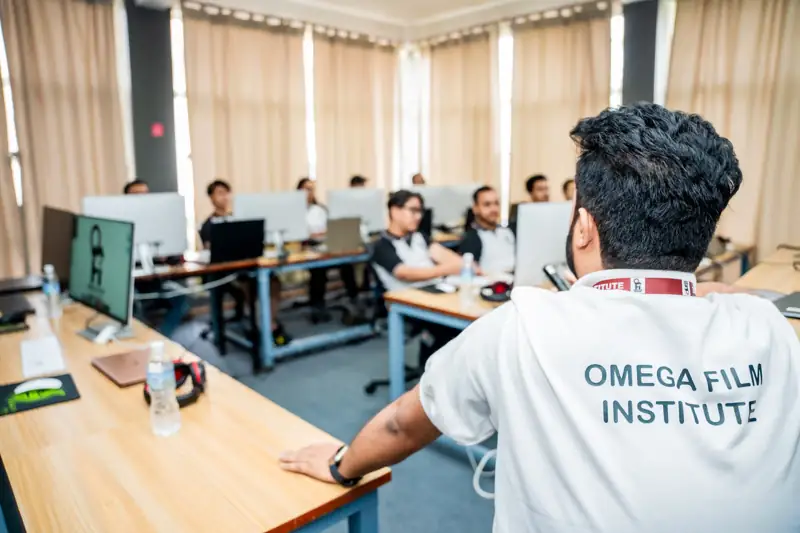
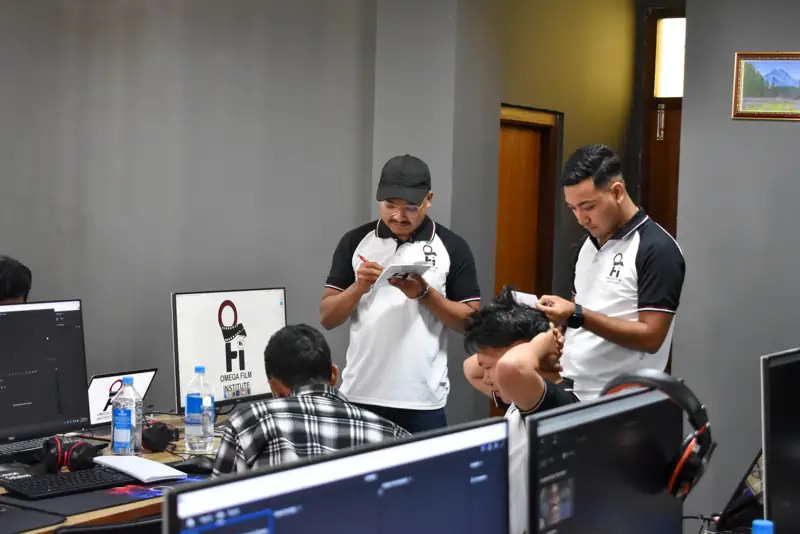
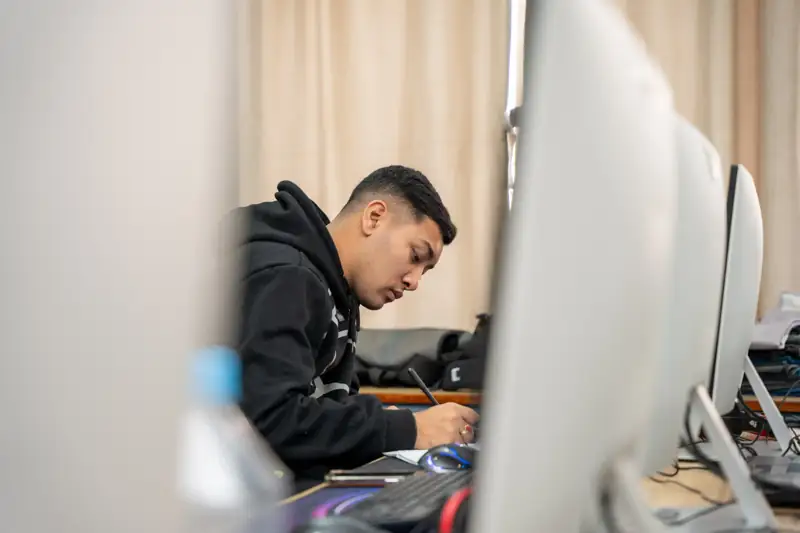
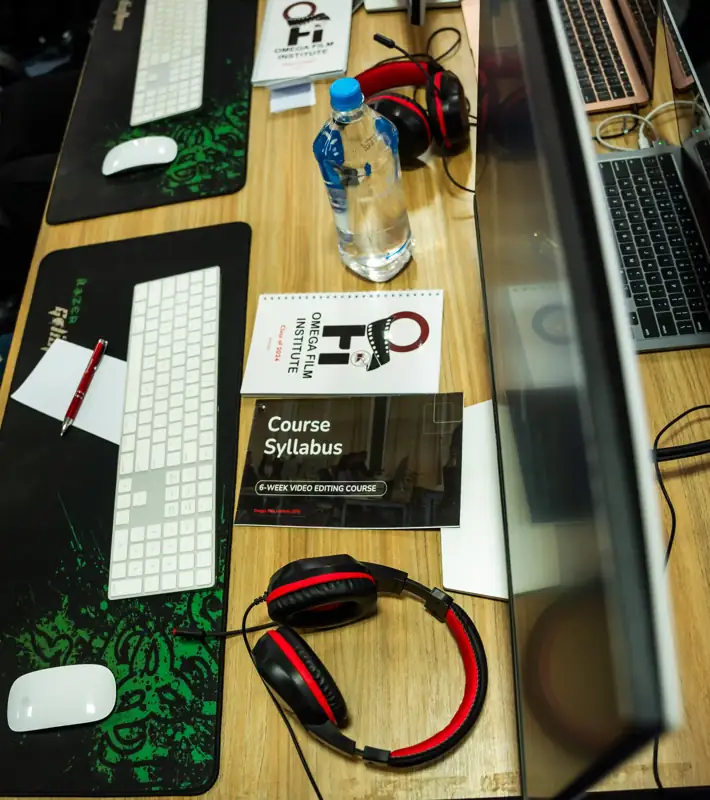
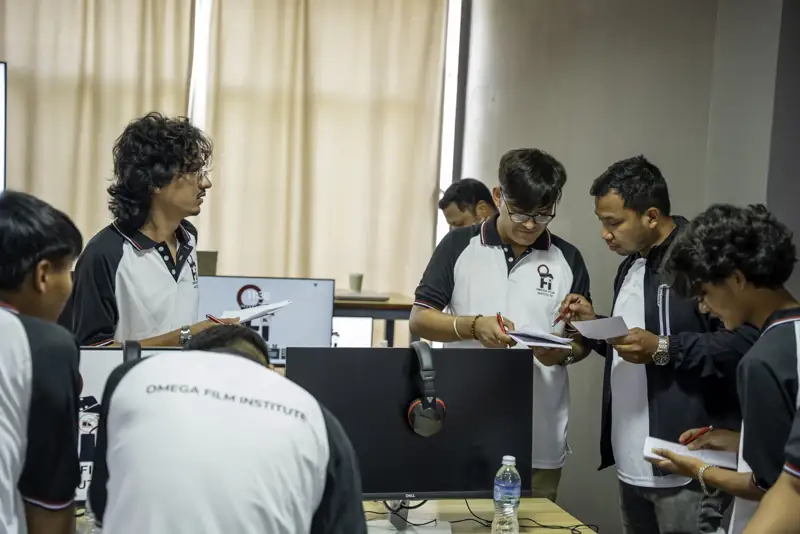
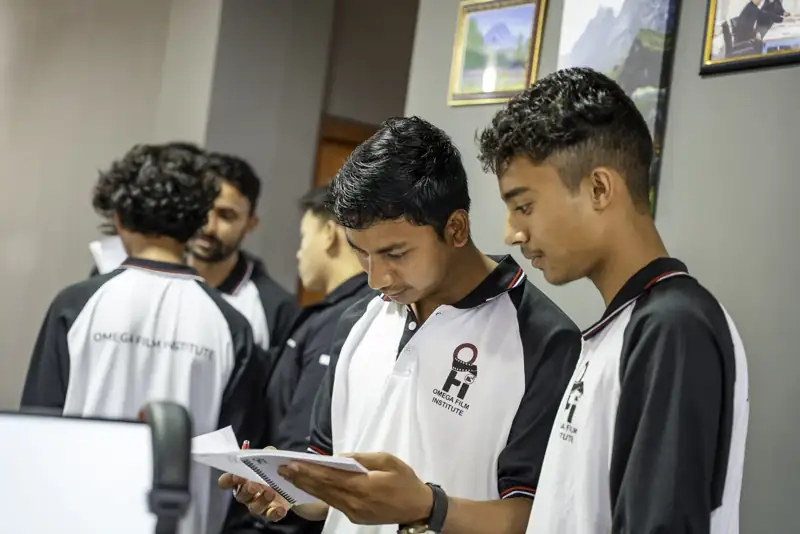
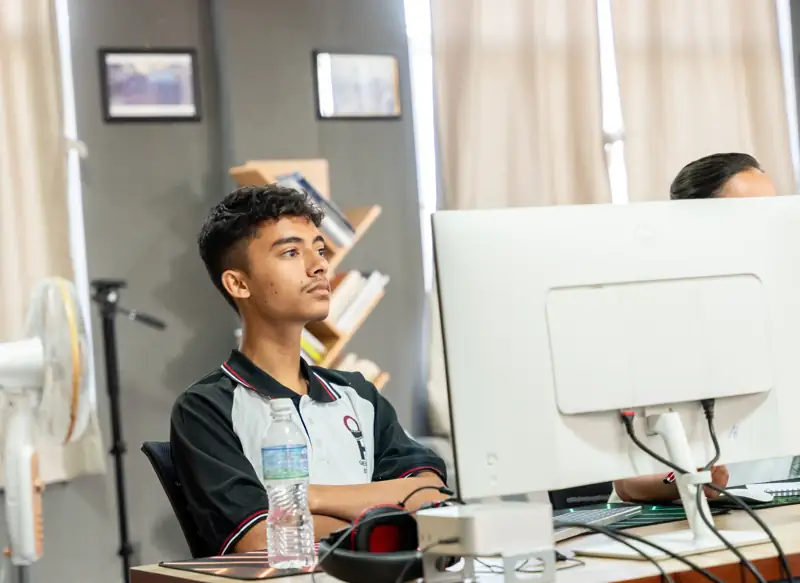
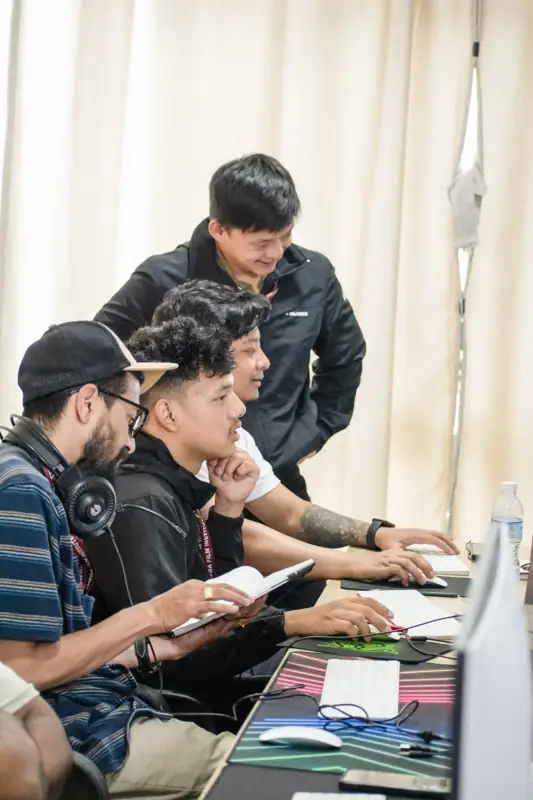
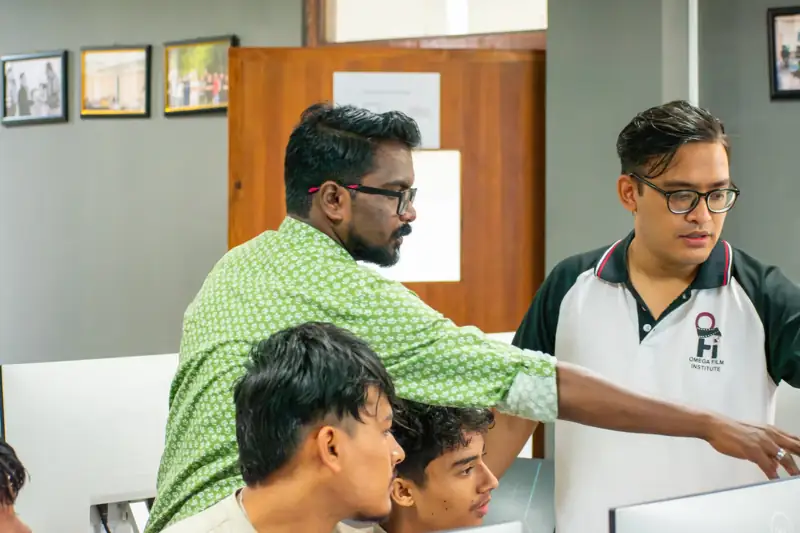
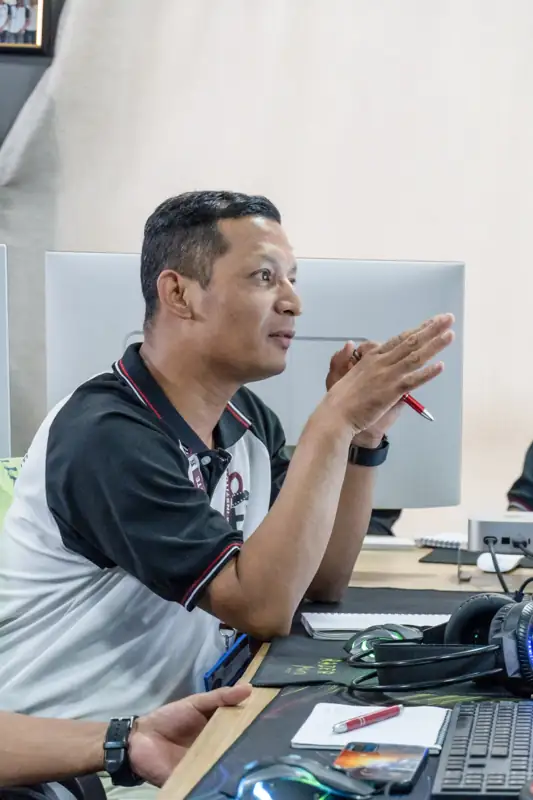
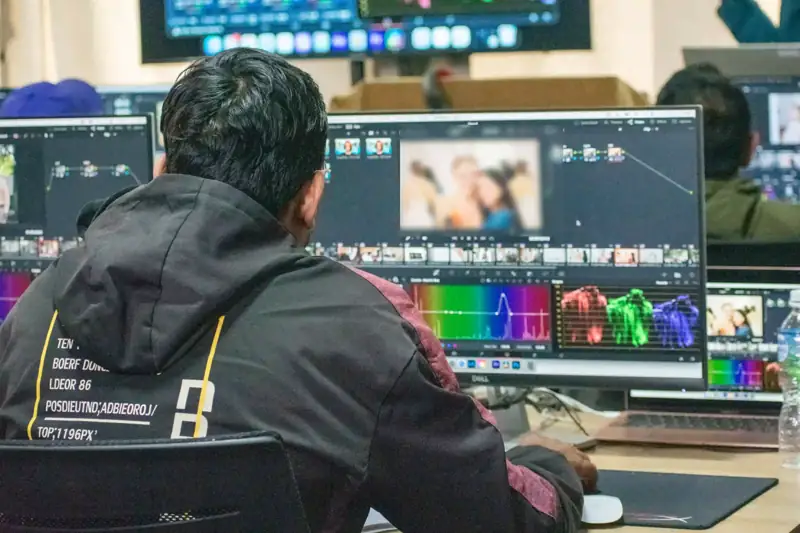
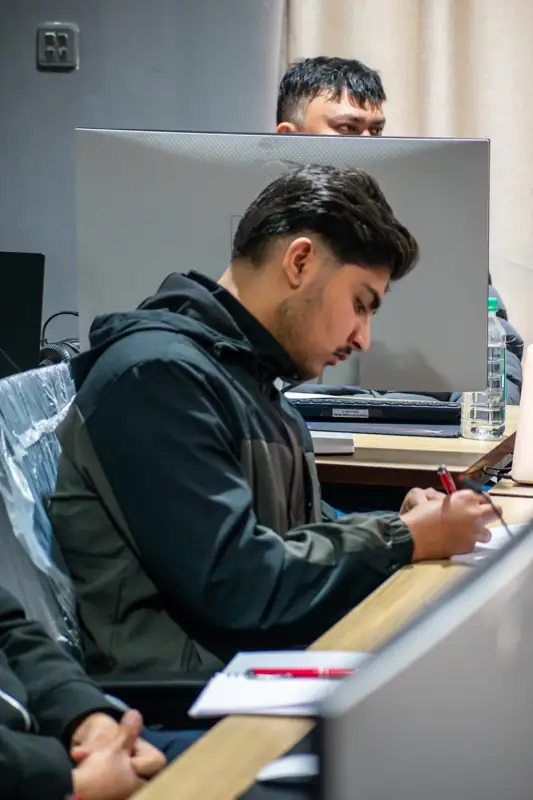
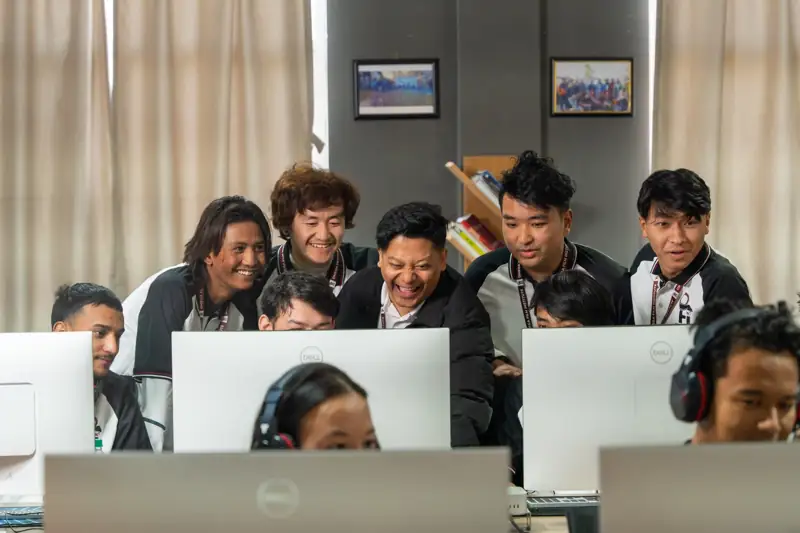
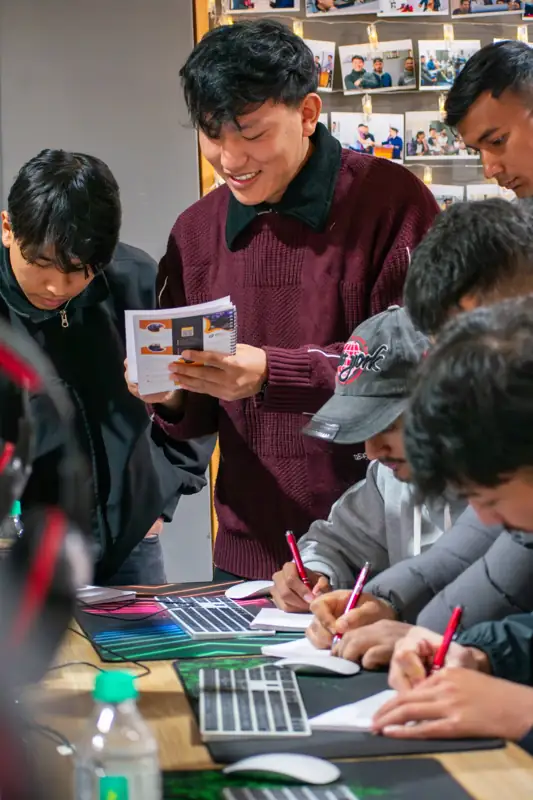
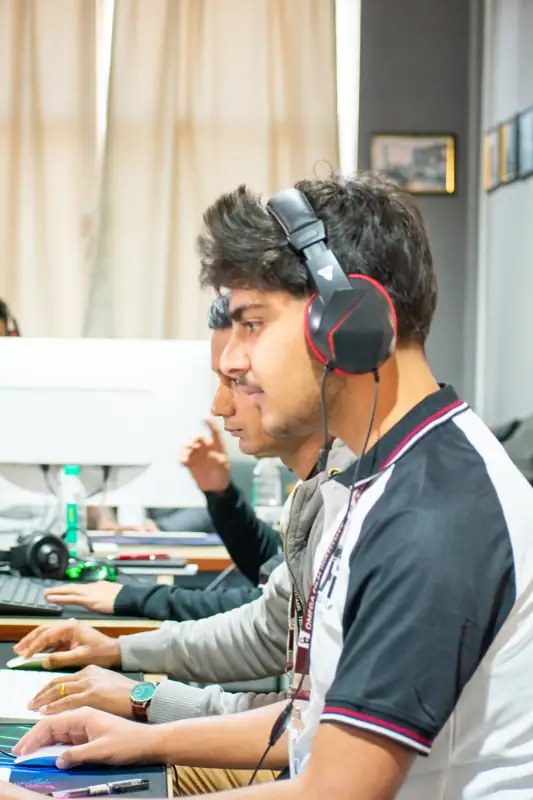
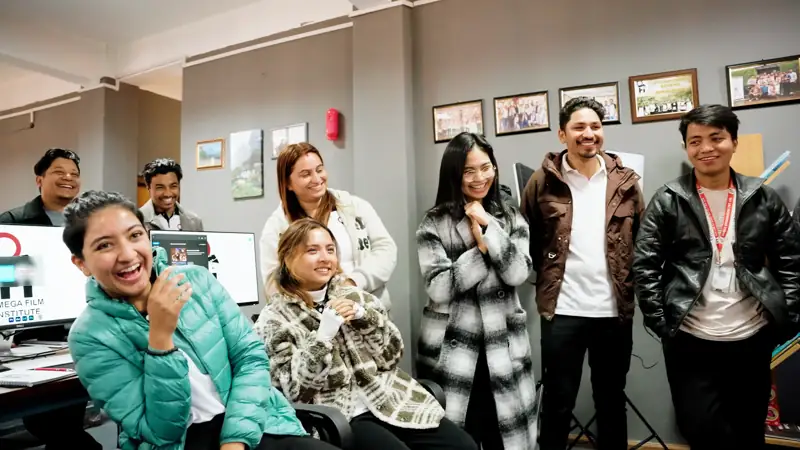
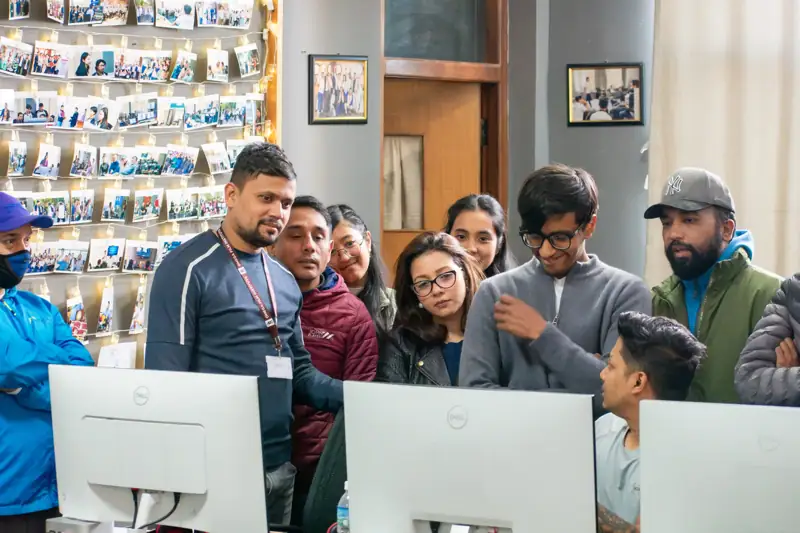
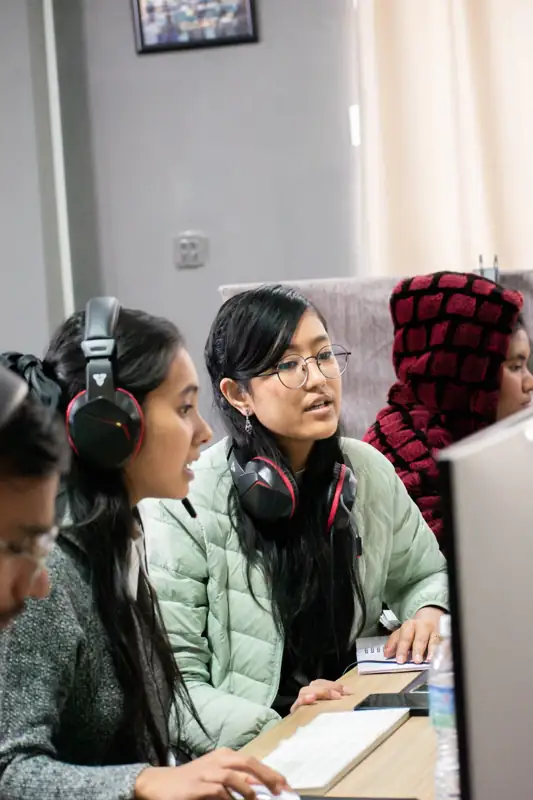
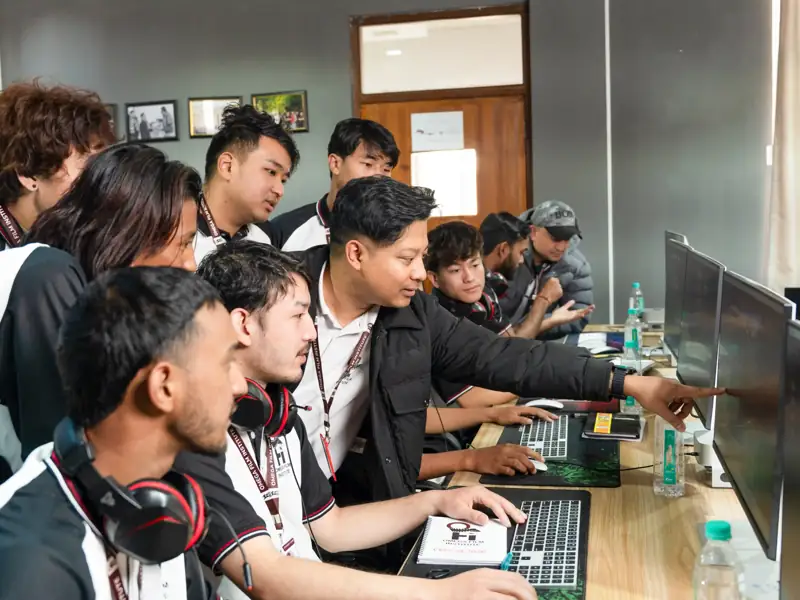
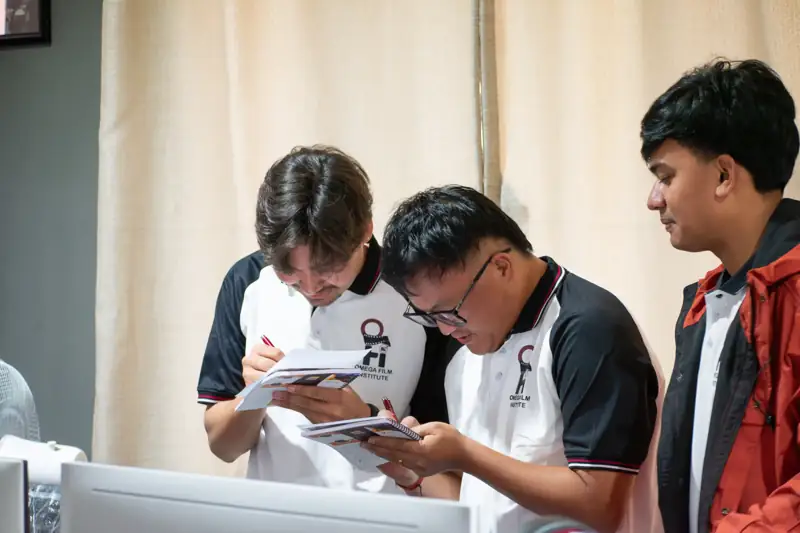
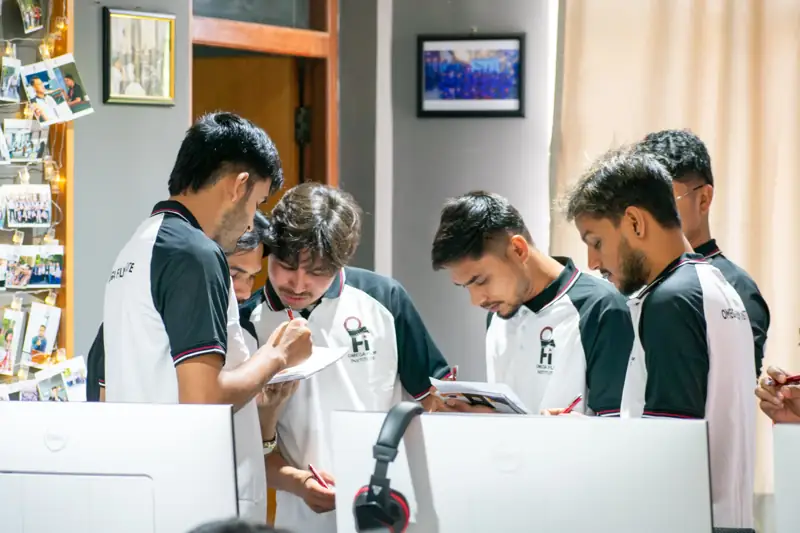
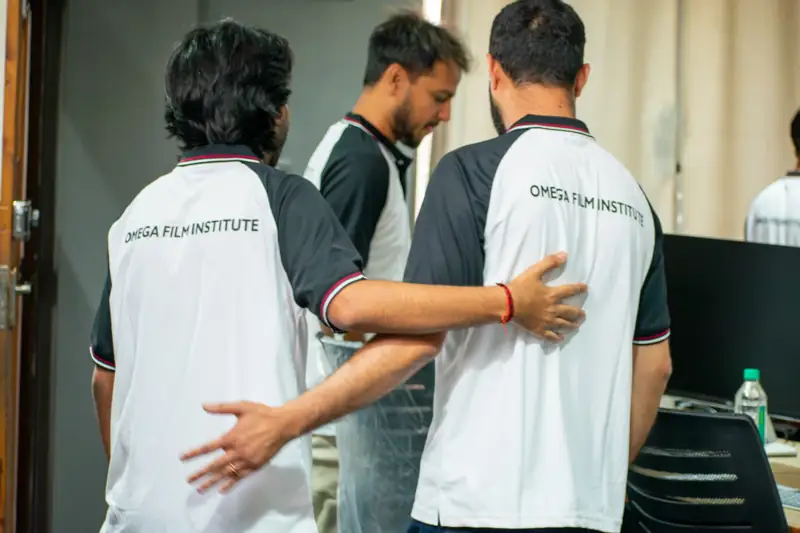
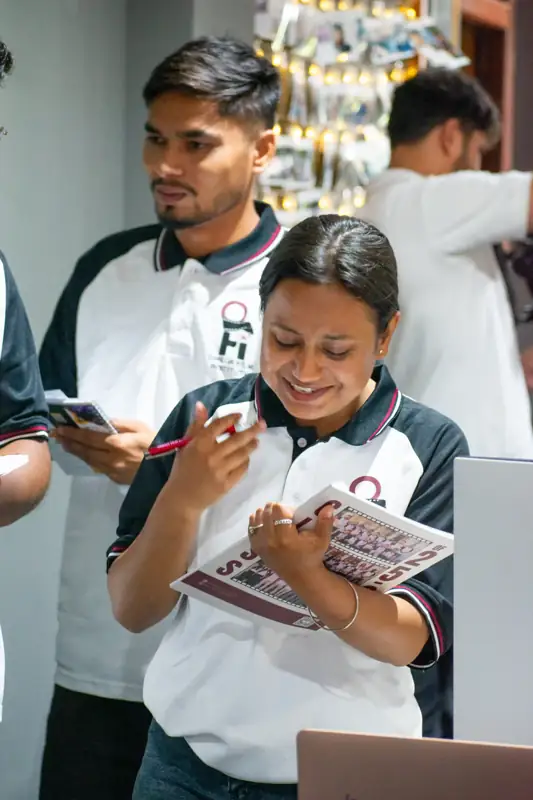
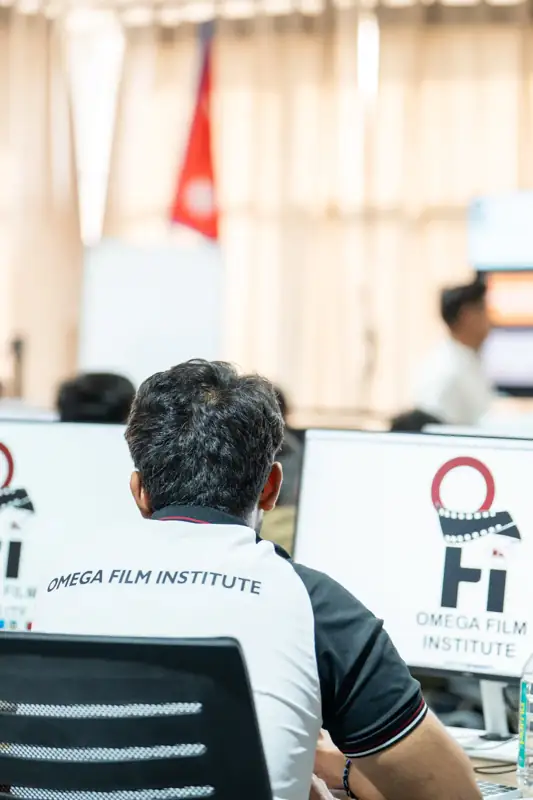
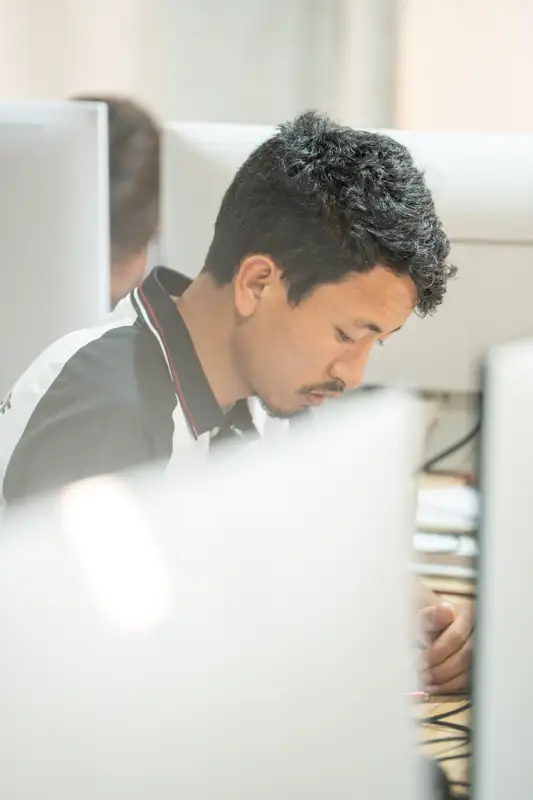
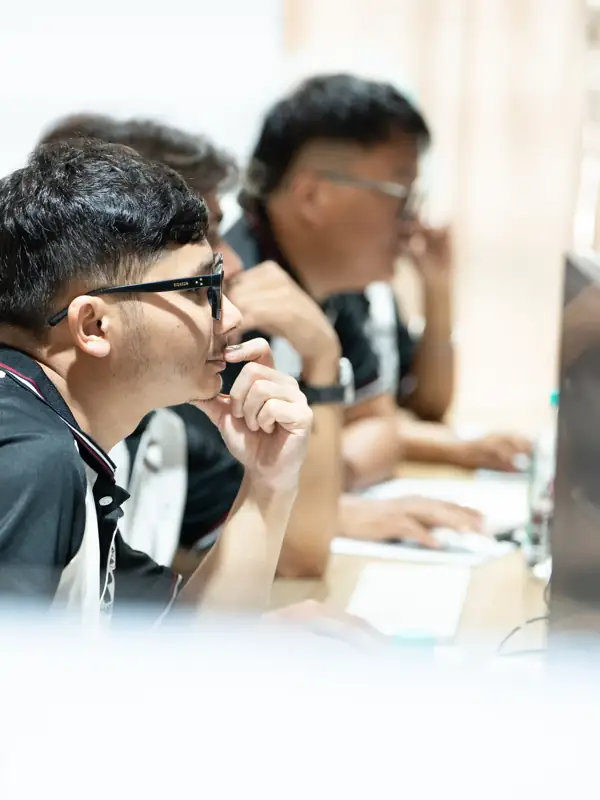
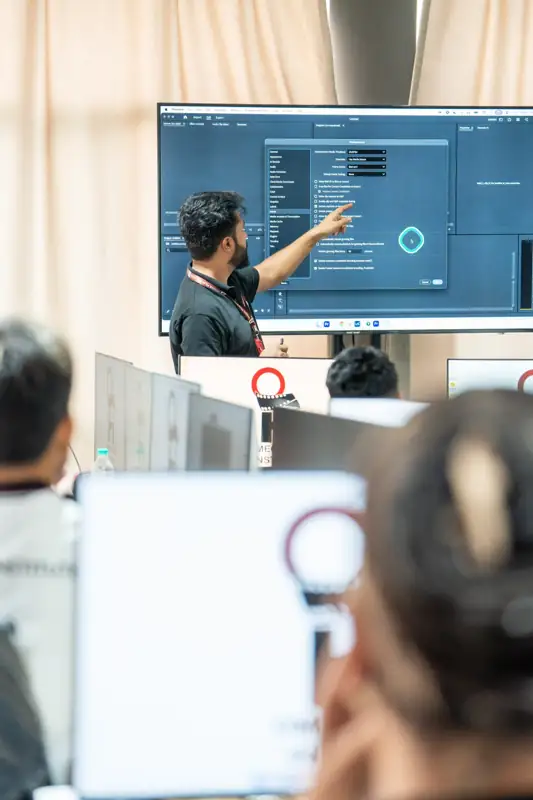
The newest set at the top of the classroom section comes from our 2026 Batch 3 — 44 frames shot across a single run of editing, grading and design sessions. They are the clearest picture we have of what an ordinary teaching day currently looks like: full workstations, instructors mid-explanation, notebooks open beside keyboards, and students reviewing each other’s timelines.
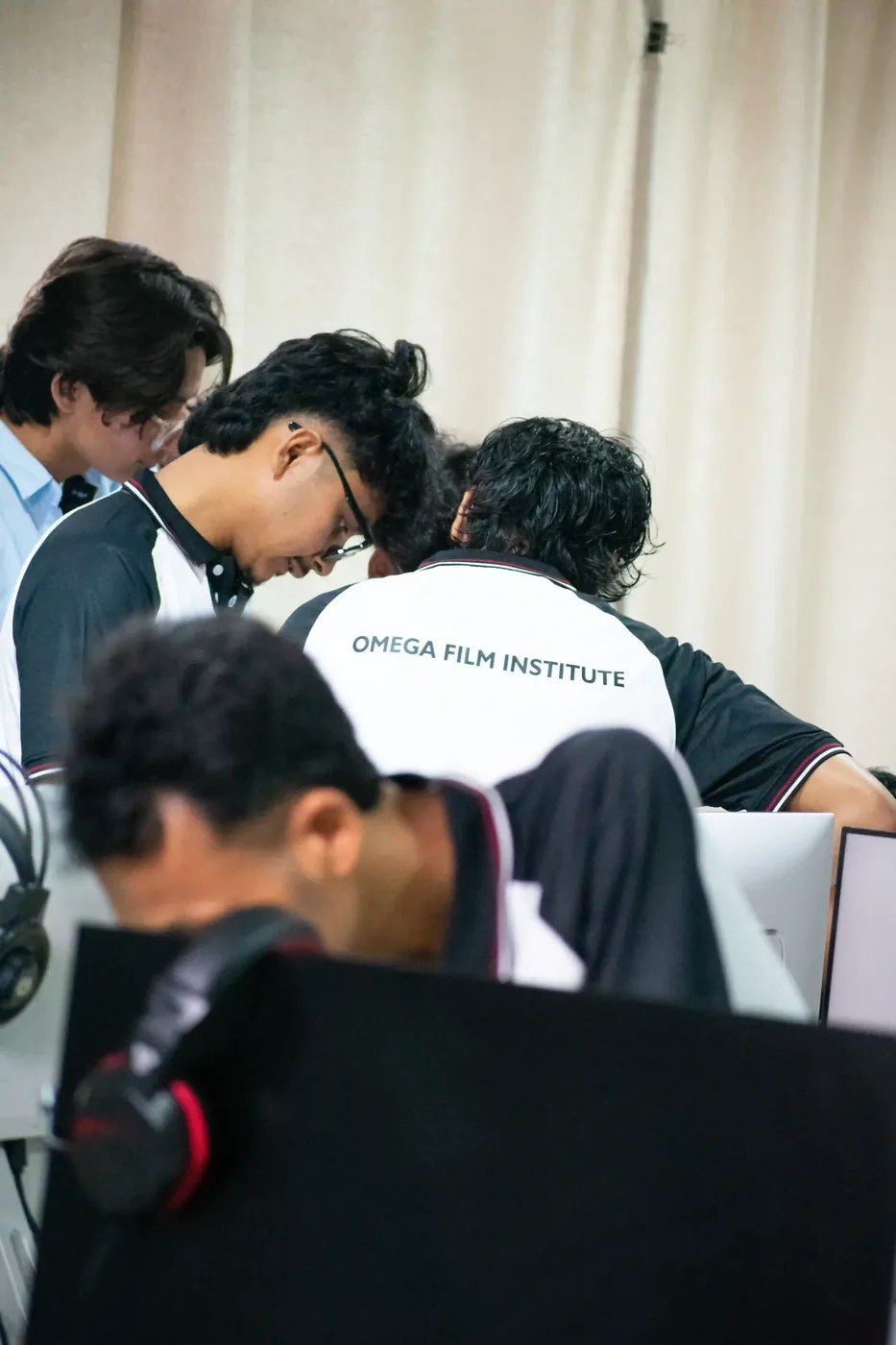
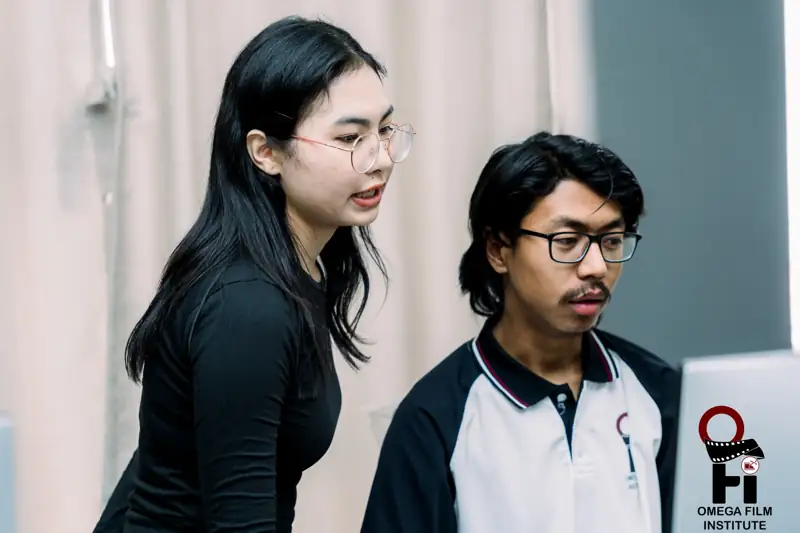
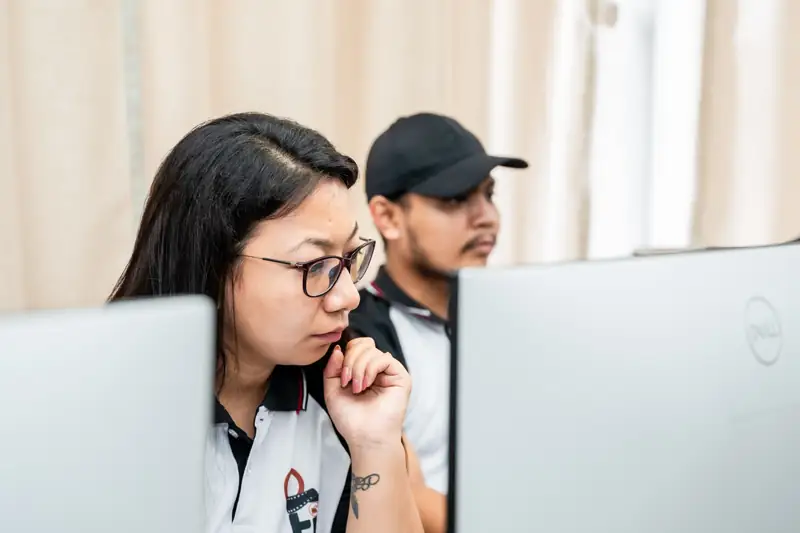
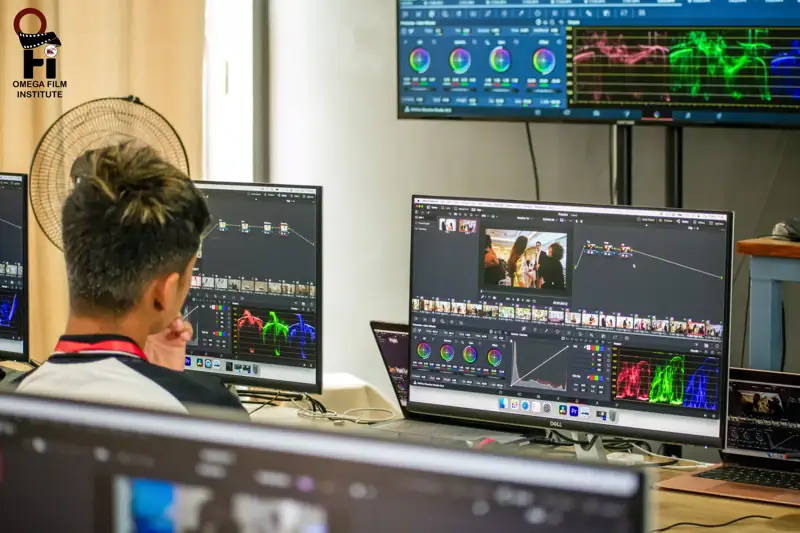
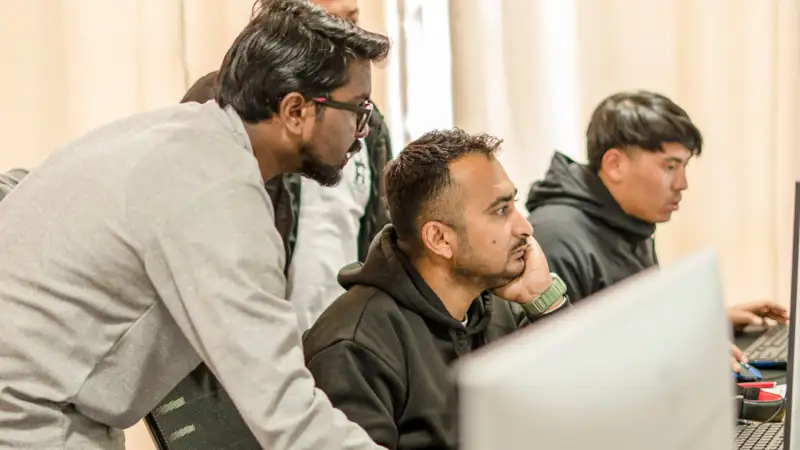
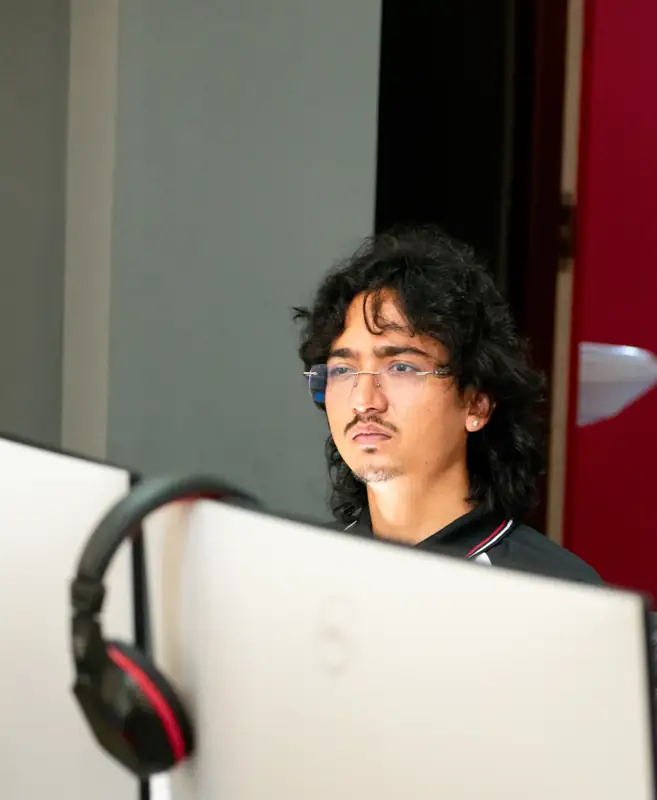
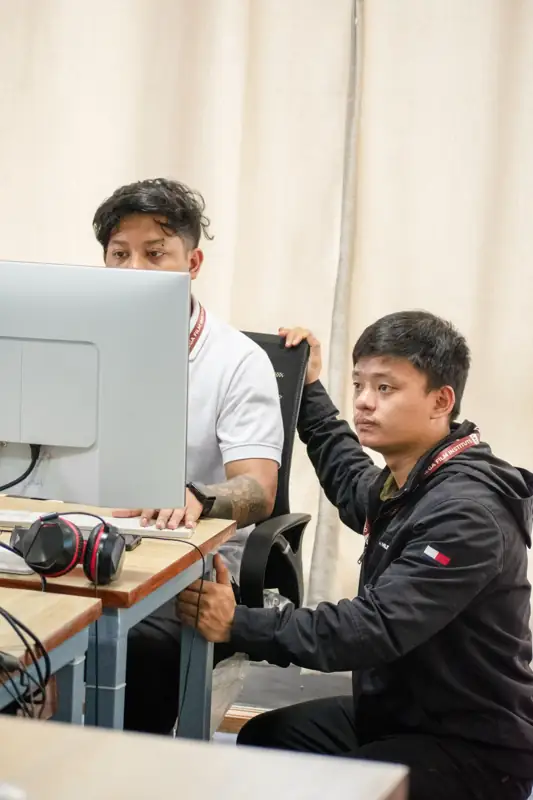
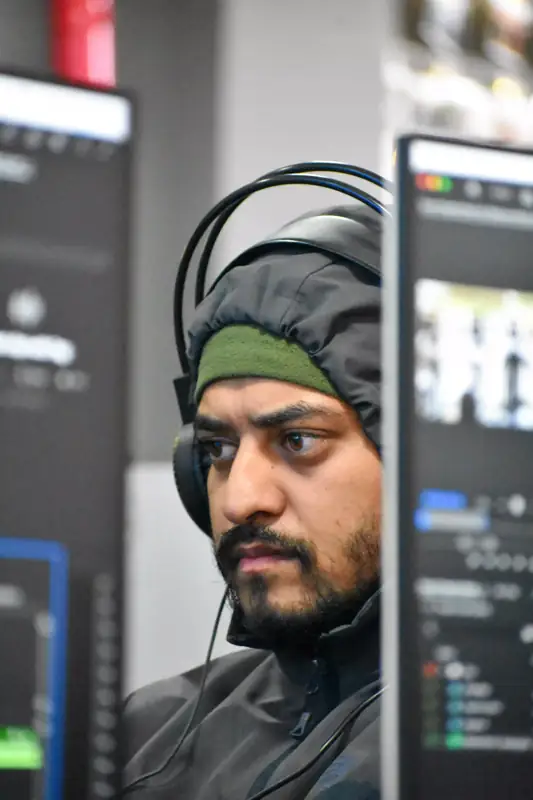
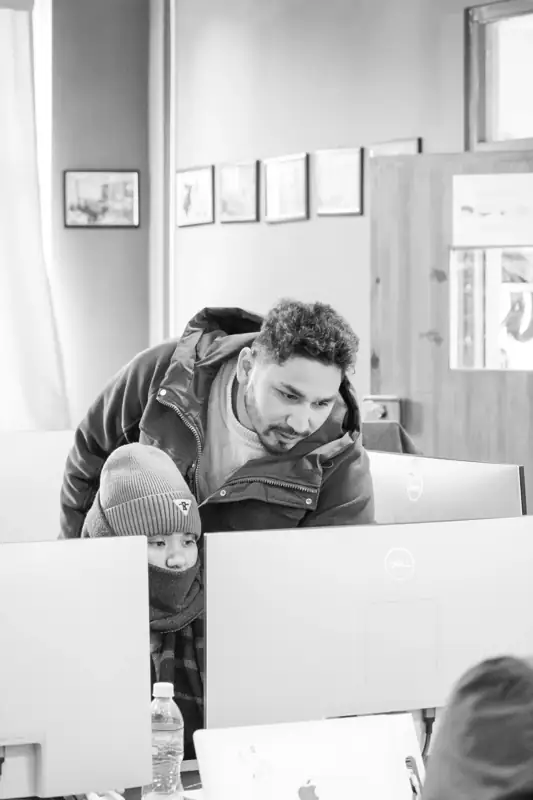
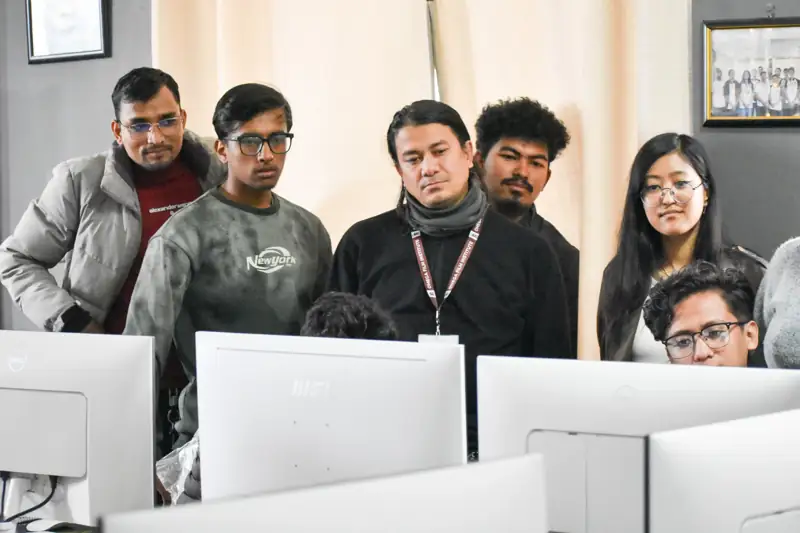
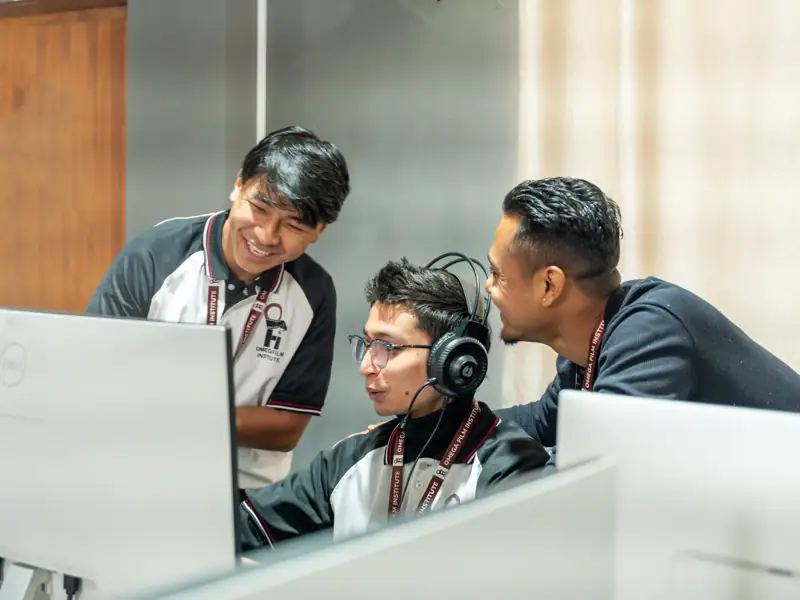
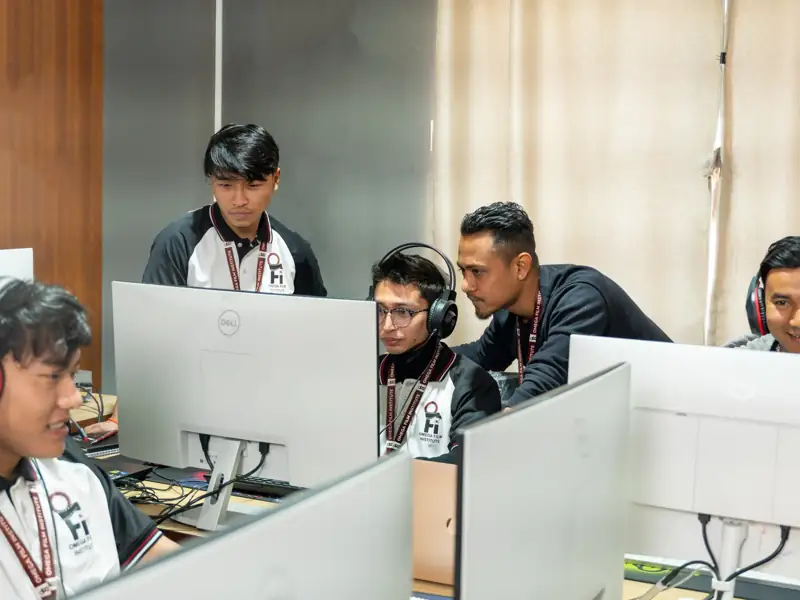
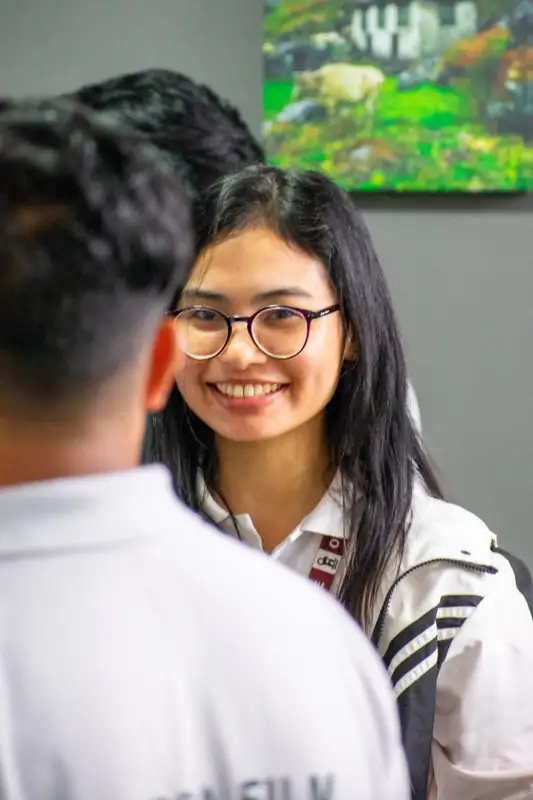
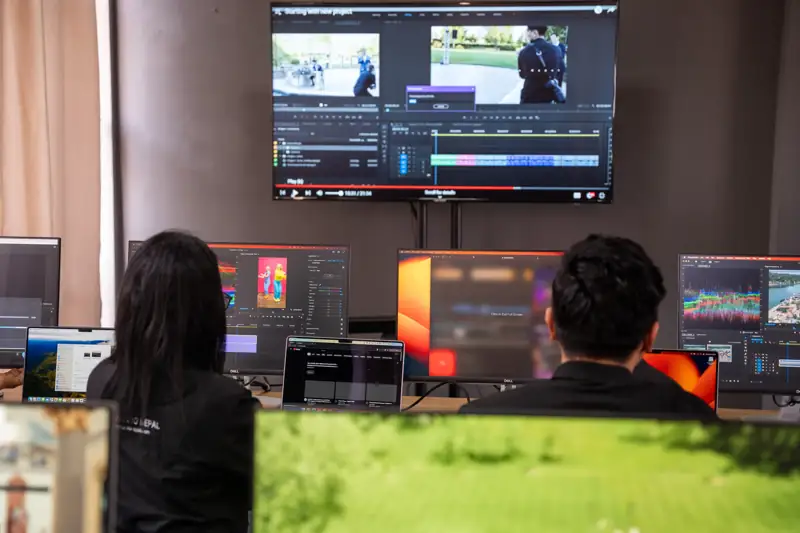
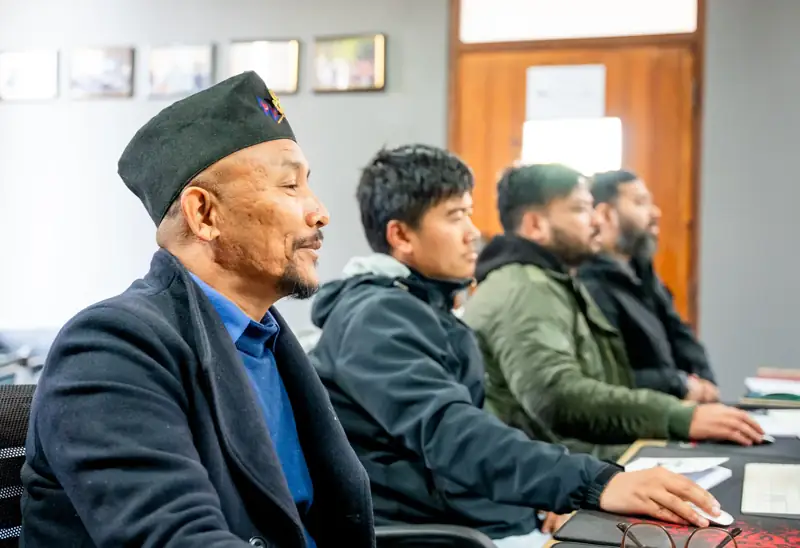
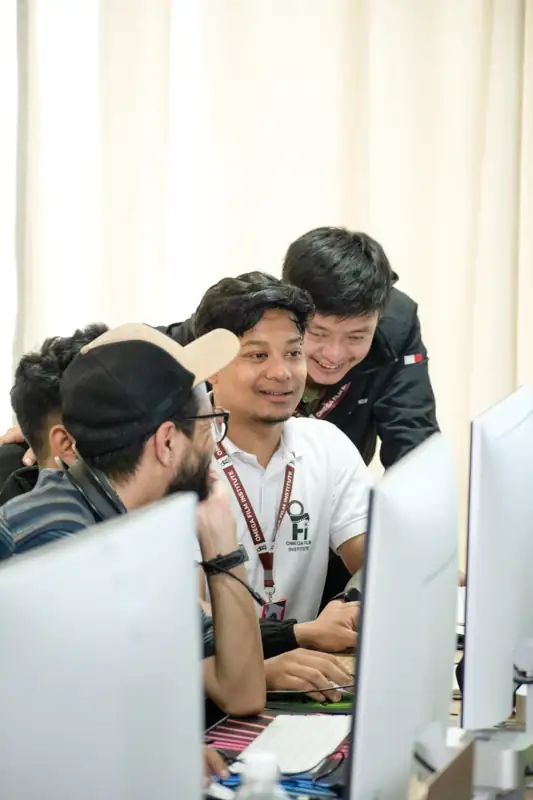
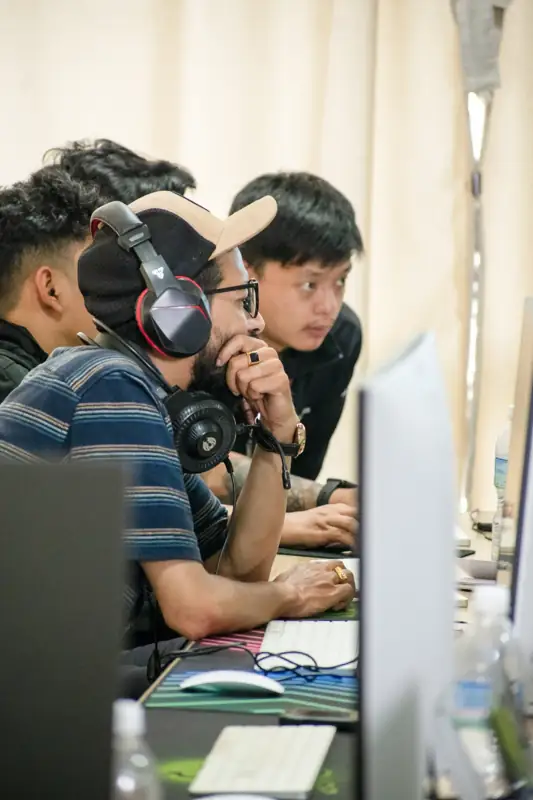
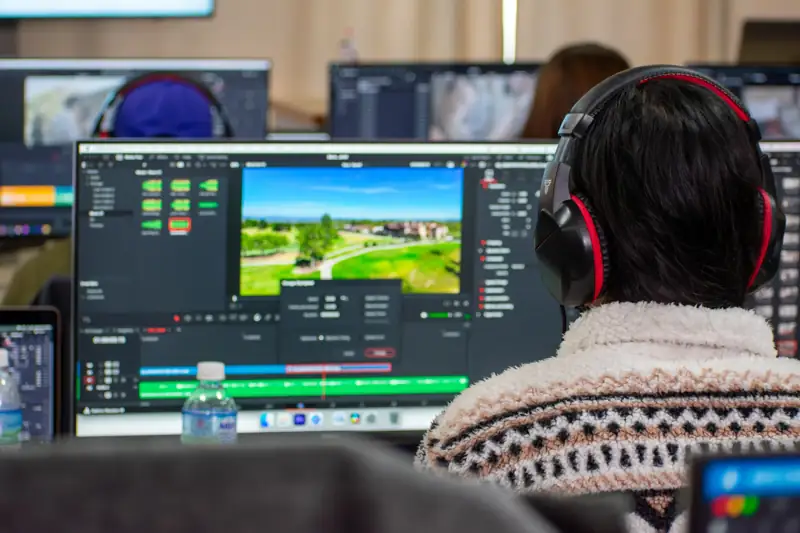
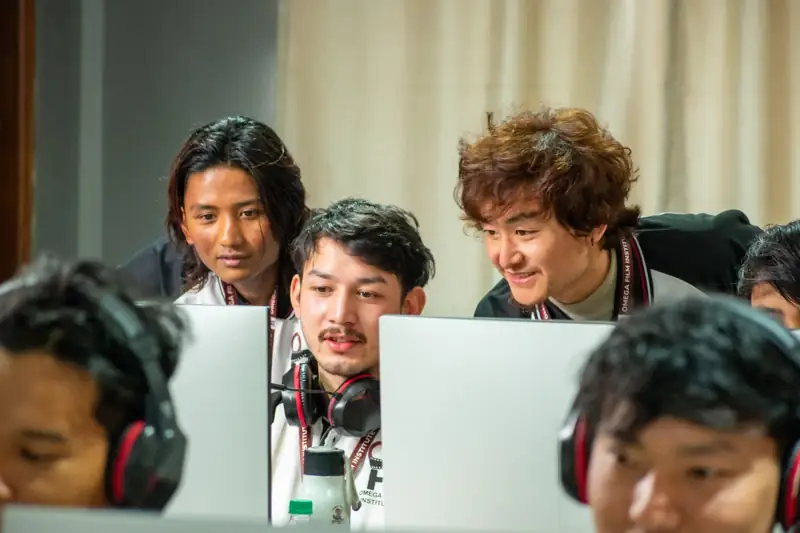
Look through the classroom section and you will notice how physical the learning is: hands on keyboards, eyes on scopes, instructors leaning over timelines mid-edit. Our batches are deliberately small, so in almost every frame the teacher knows exactly whose work is on the screen — and the student knows their work will be seen. That feedback loop, repeated hundreds of times across a course, is the entire OFI method compressed into photographs.
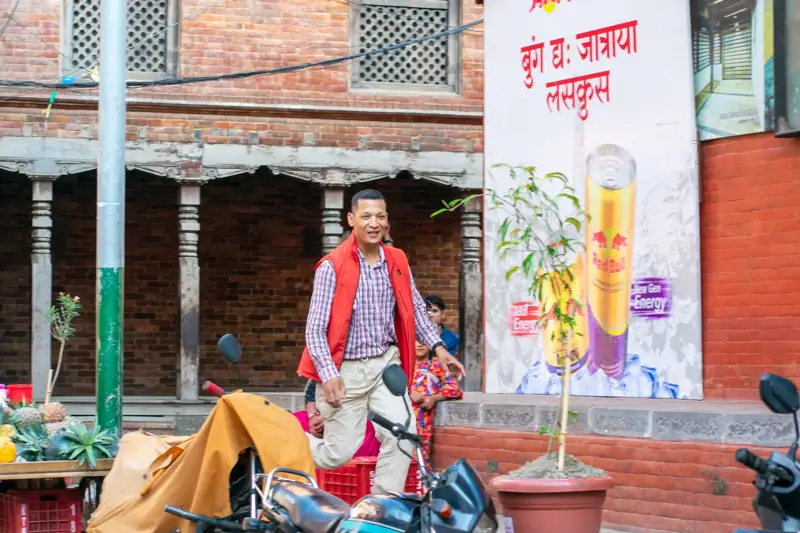
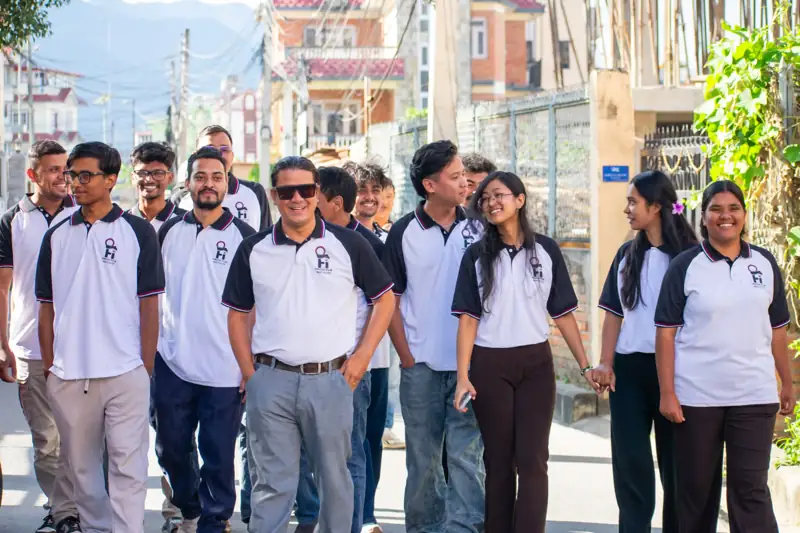
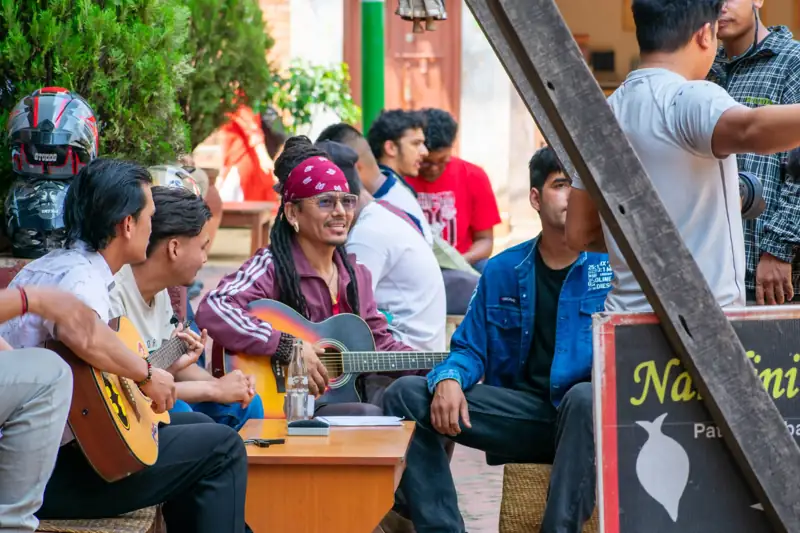
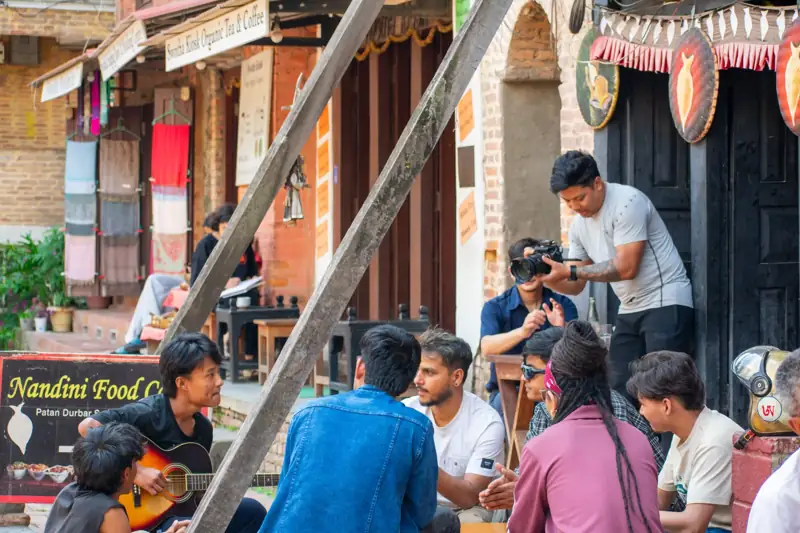
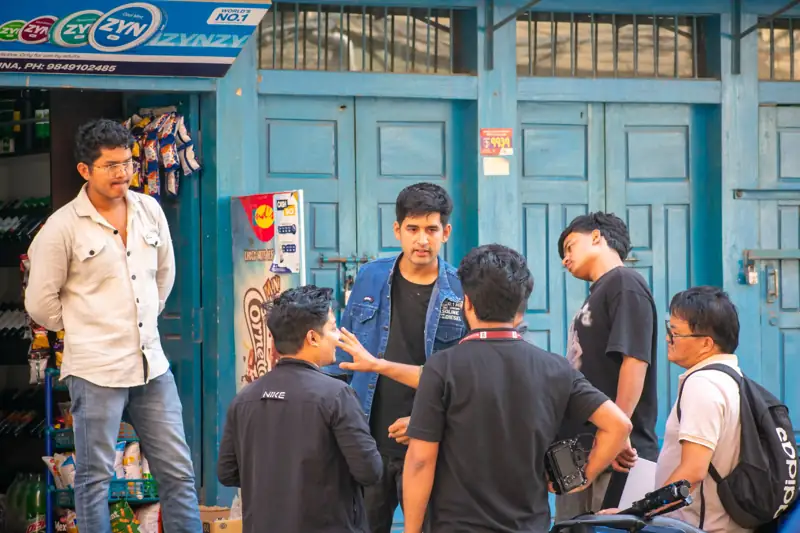
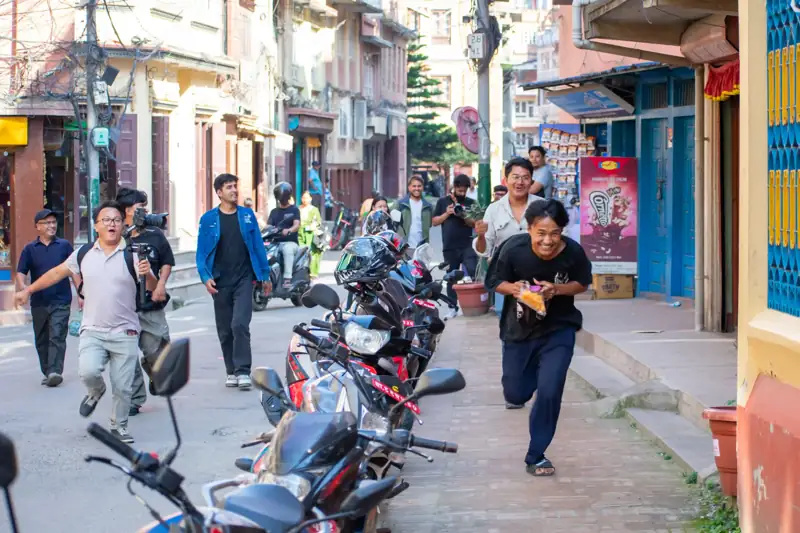
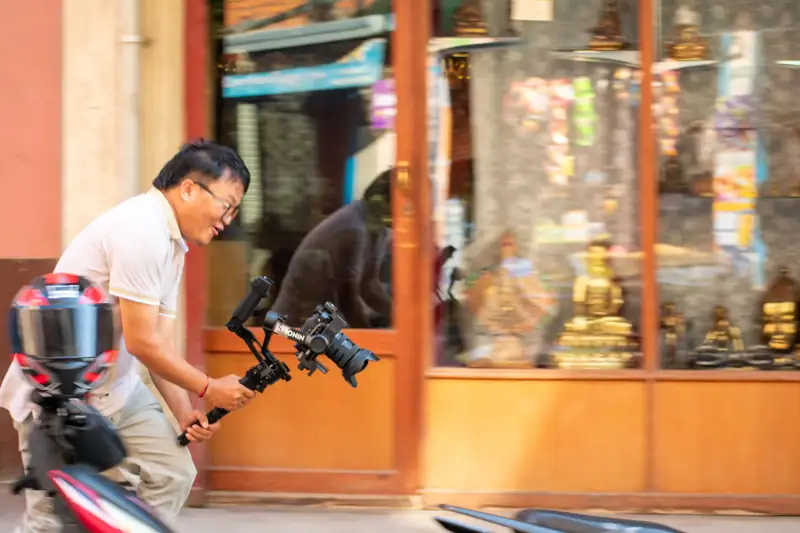
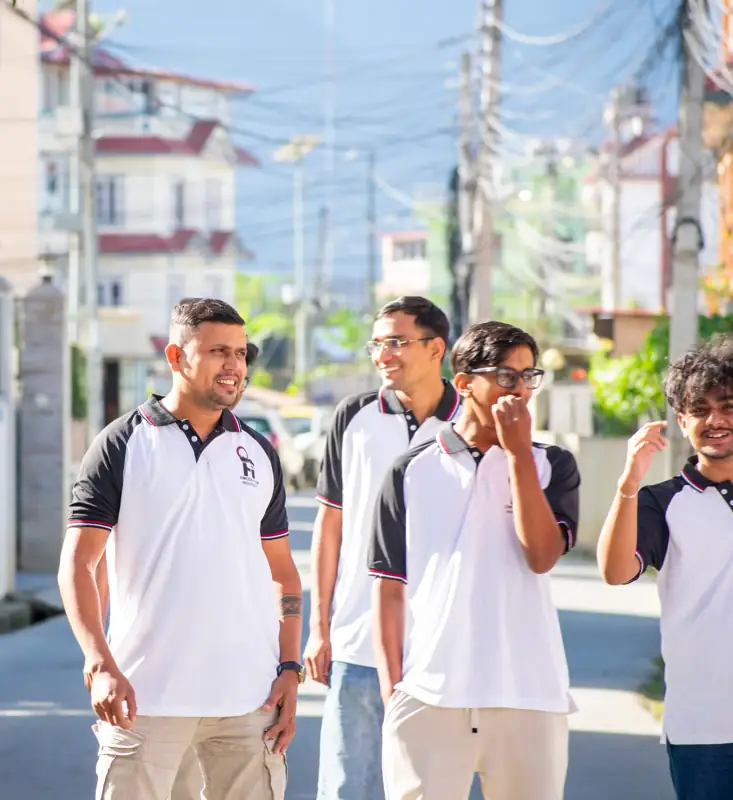
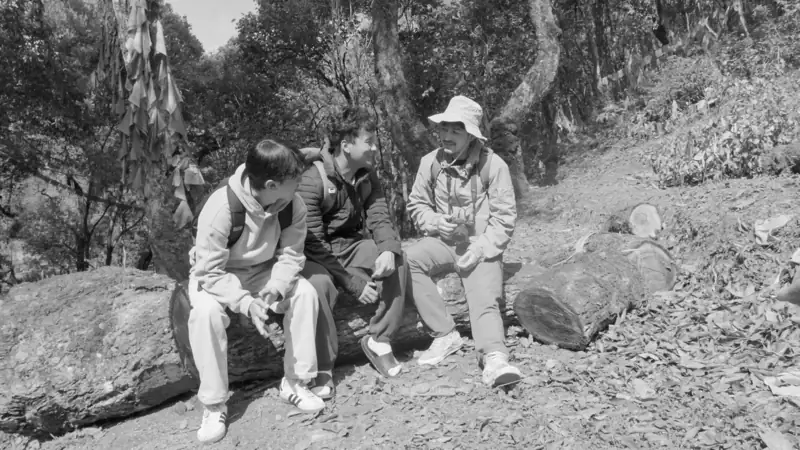
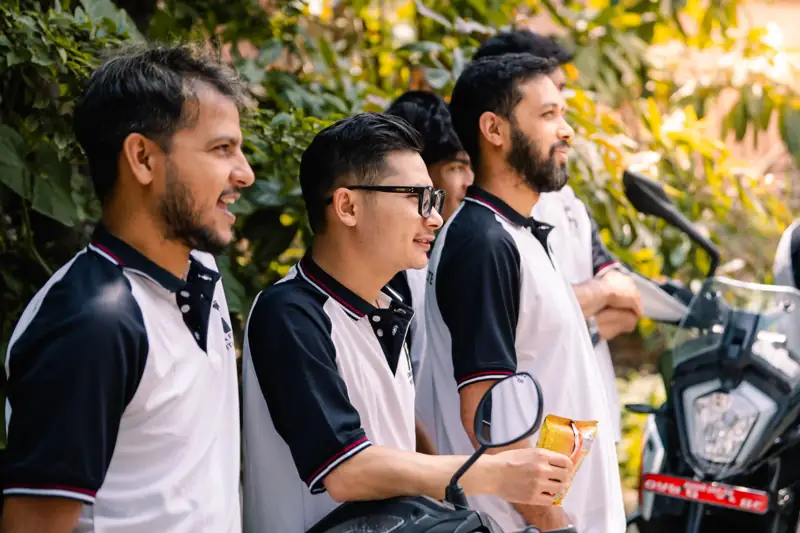
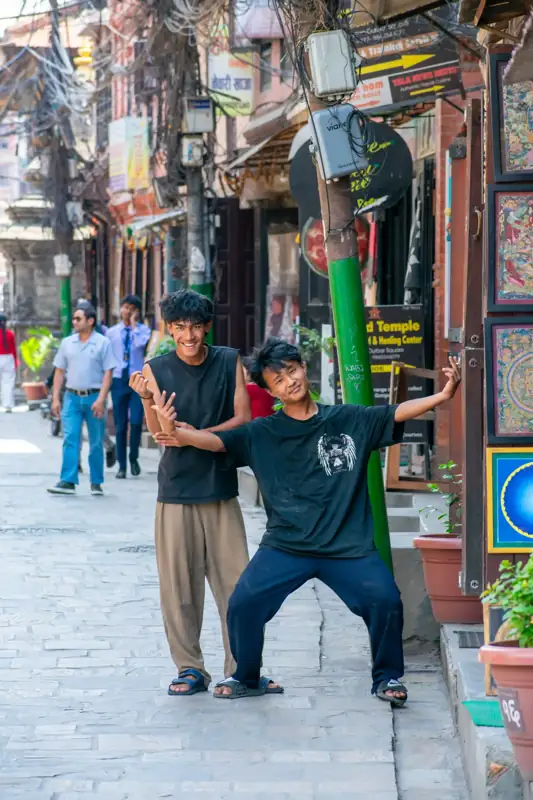
The practical-shoot frames tell the other half of the story. Cinematography and photography students take the gear out into Kathmandu — gimbals through alleys, tripods in courtyards, reflectors bouncing afternoon light — and shoot under exactly the conditions professional work happens in: moving crowds, mixed light, moments that refuse to repeat. The footage and photographs from these days come straight back into the edit and grading suites, closing the loop between capture and finish.
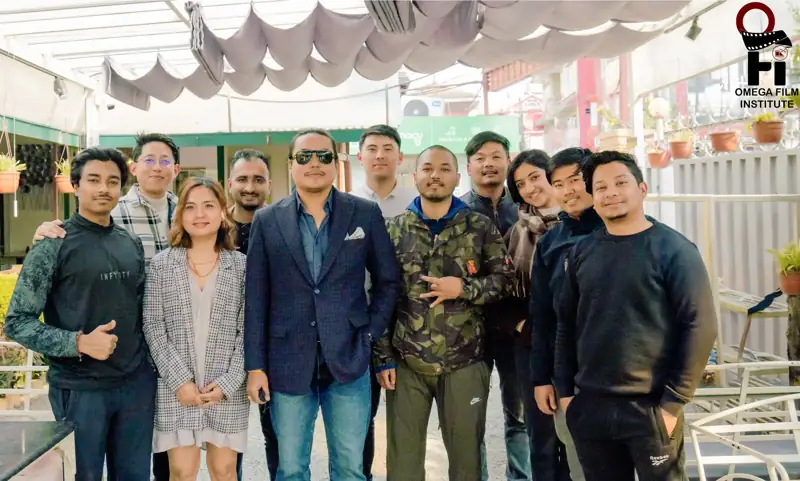
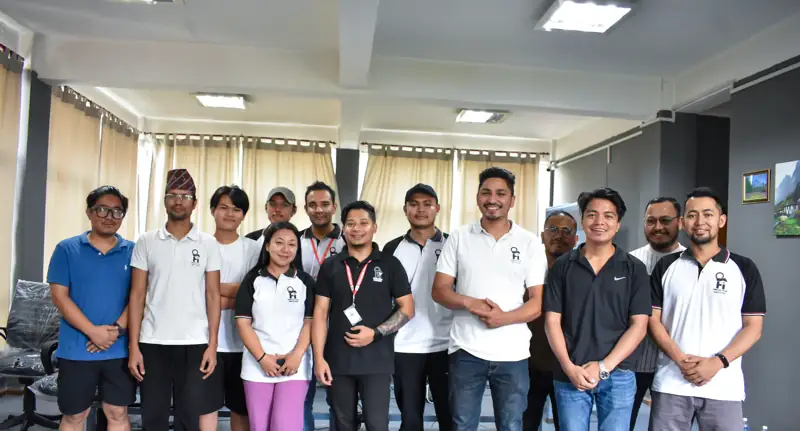
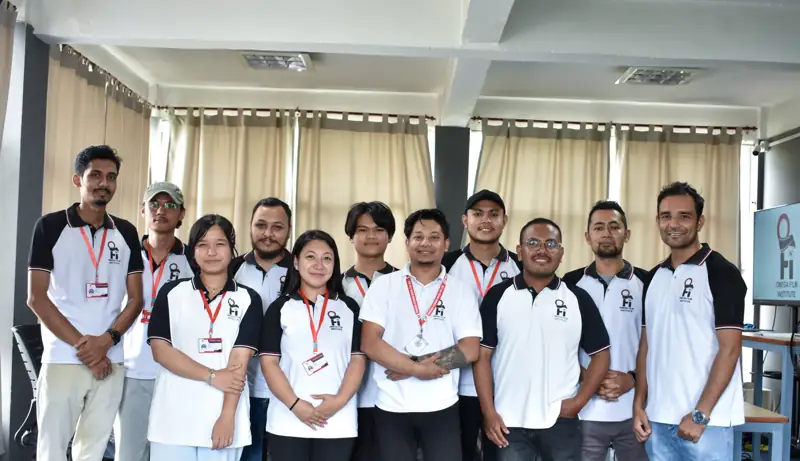
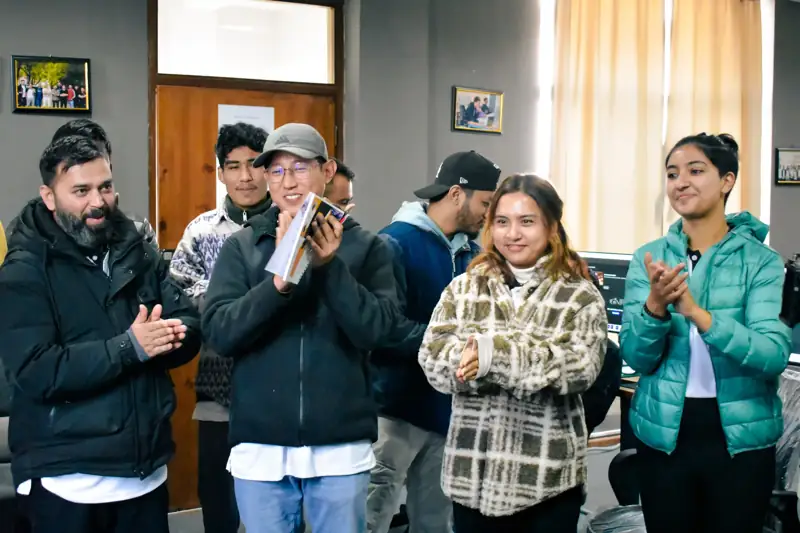
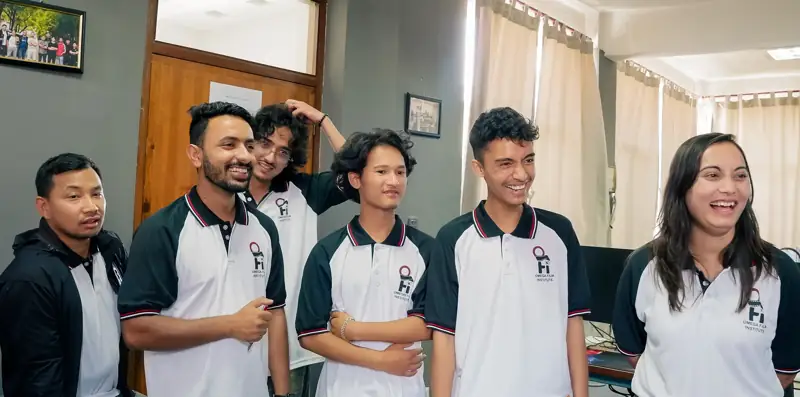
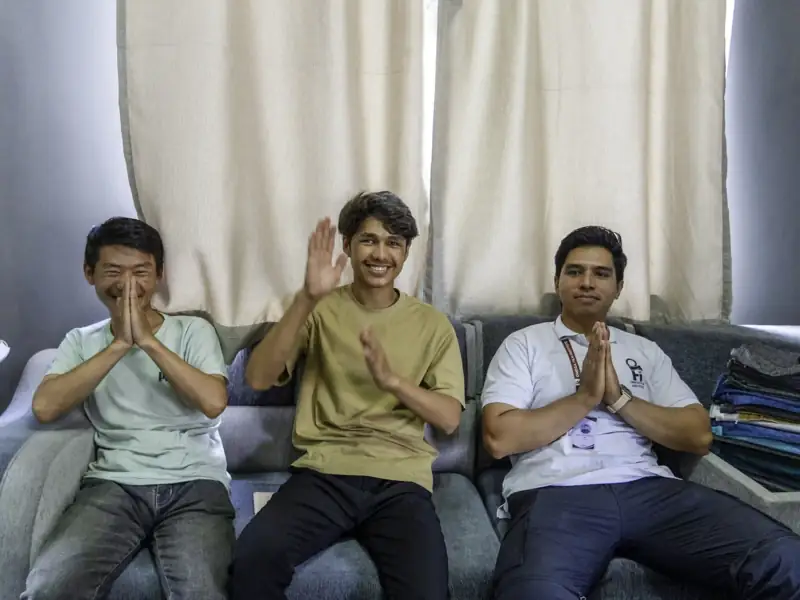
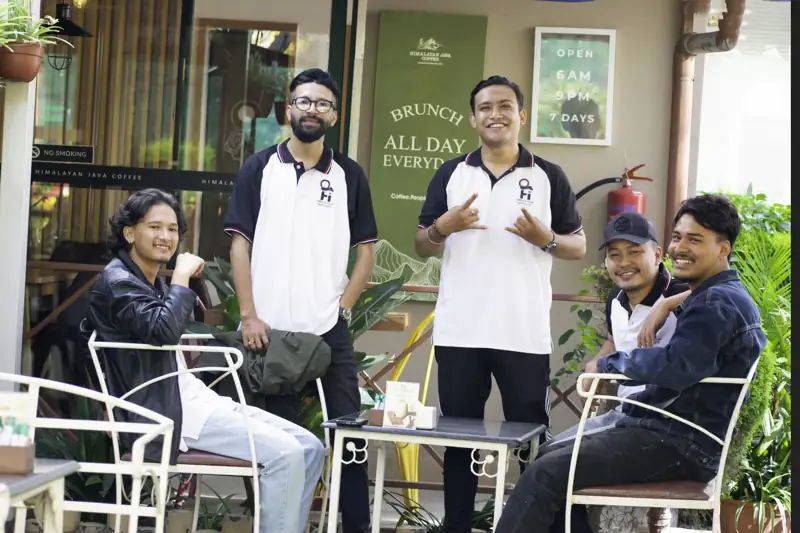
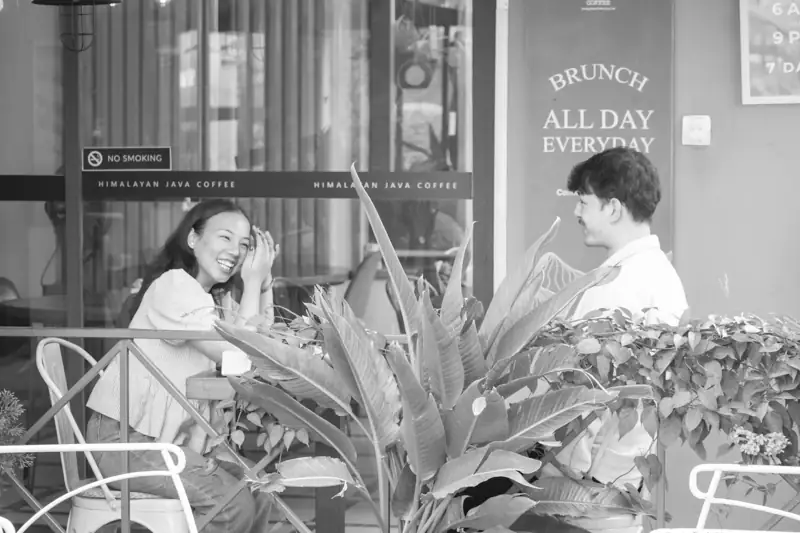
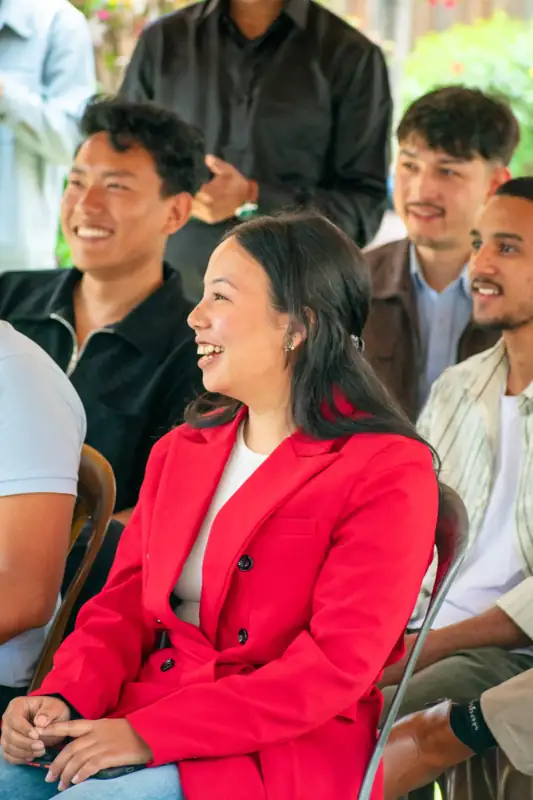
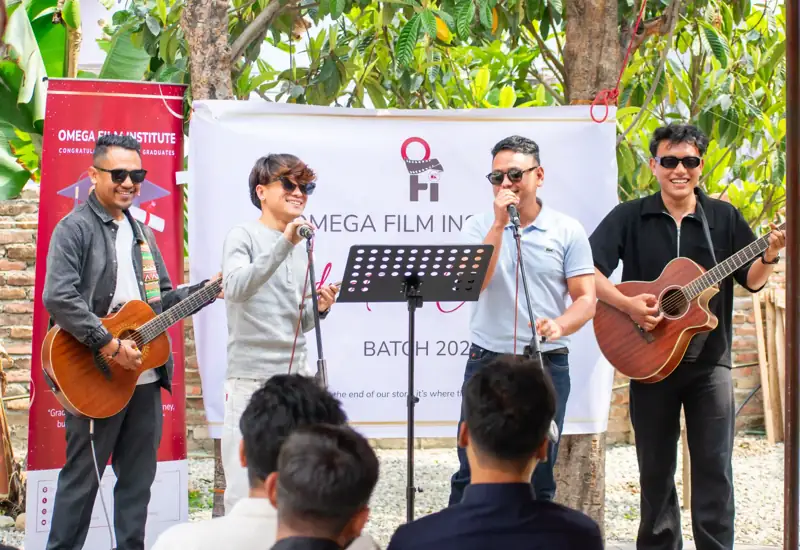
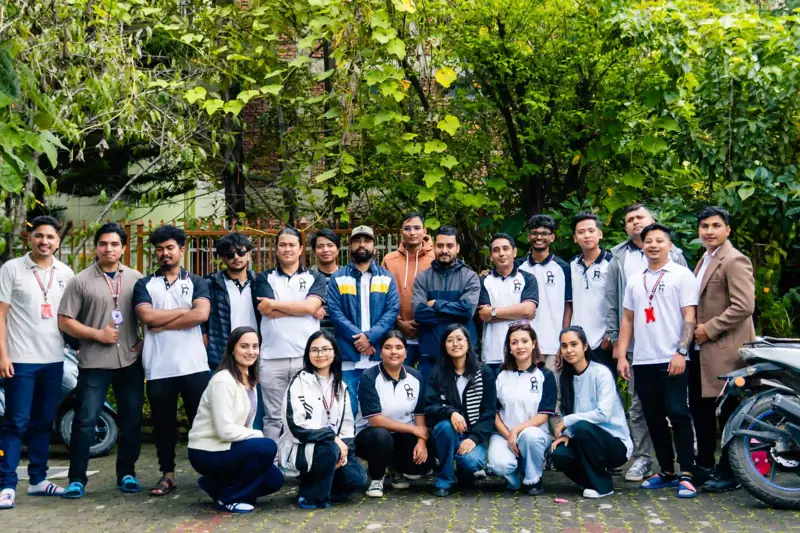
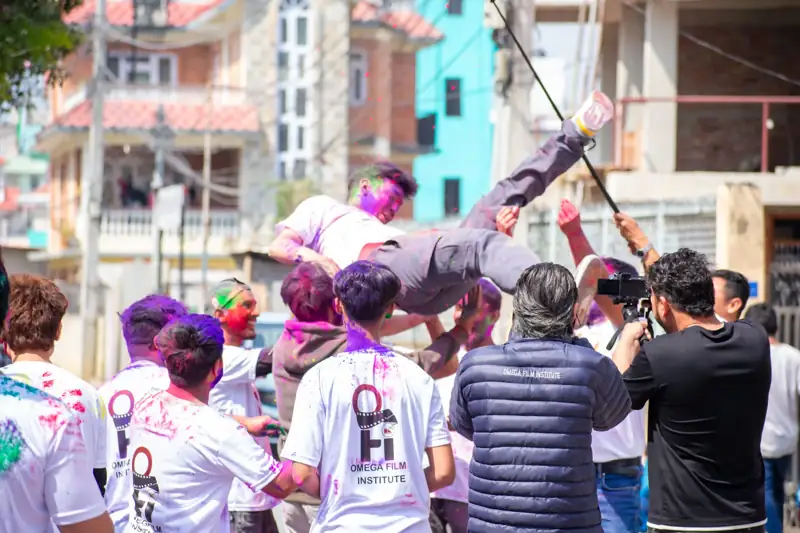
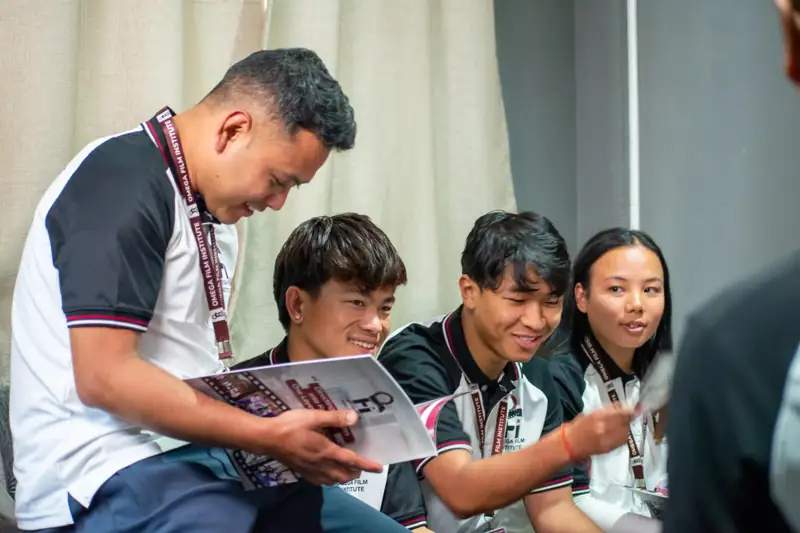
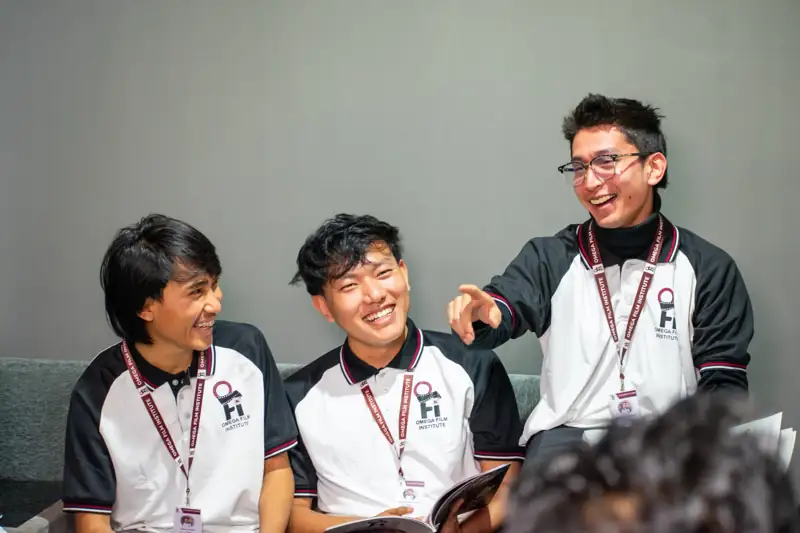
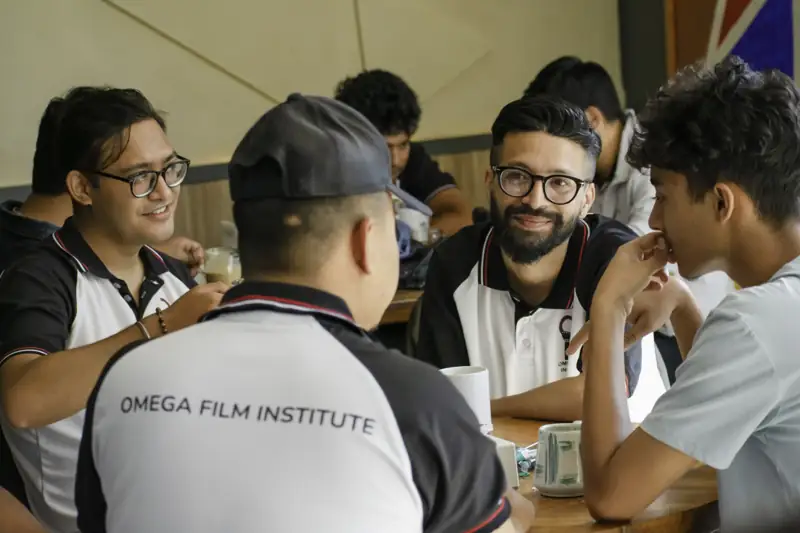
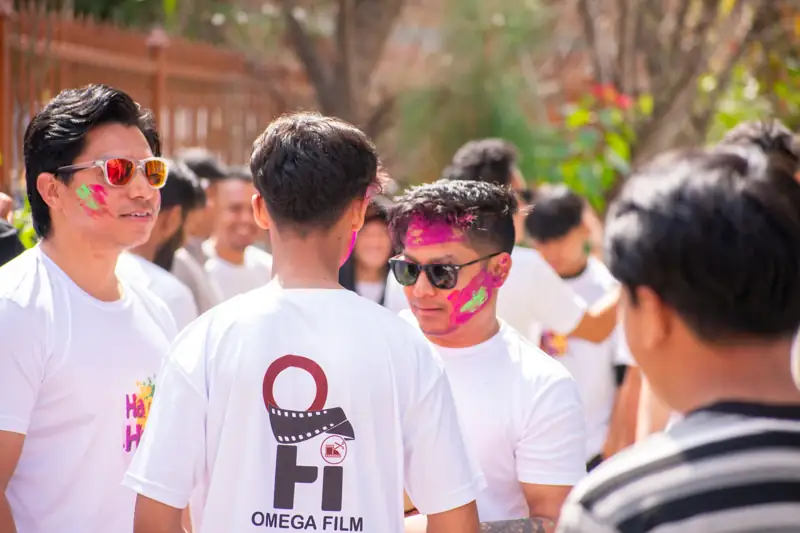
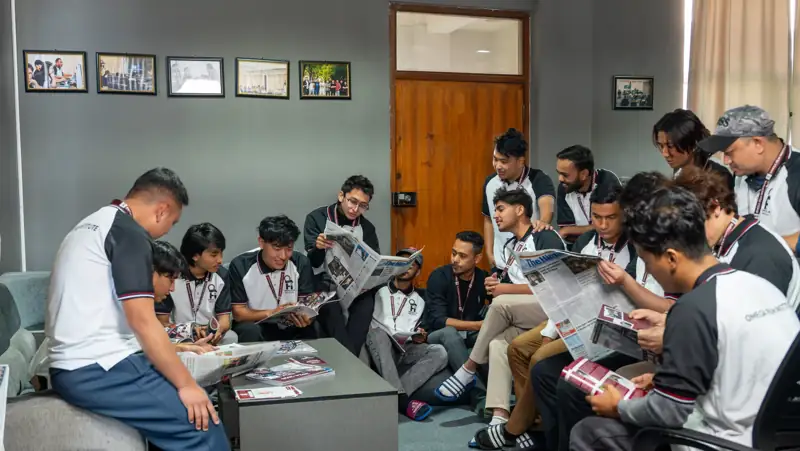
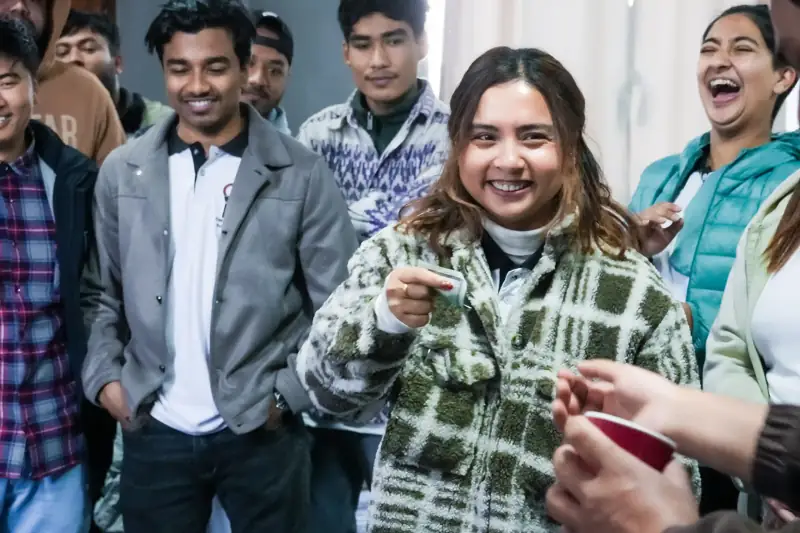
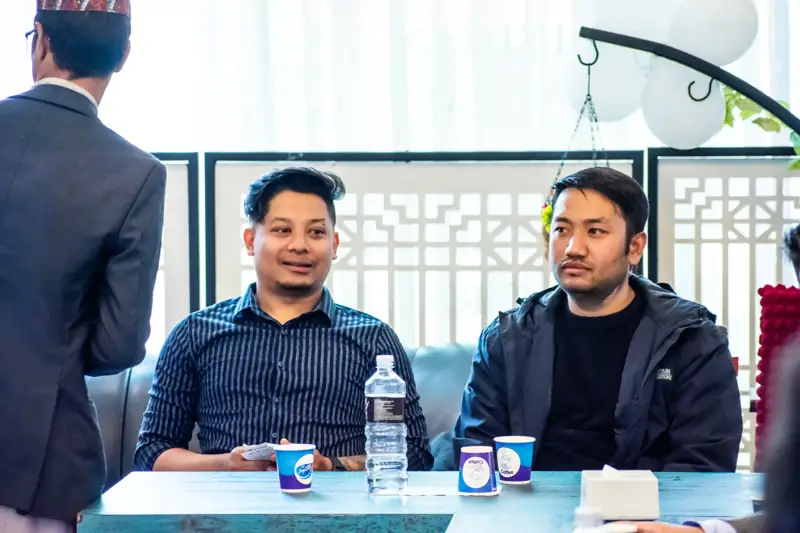
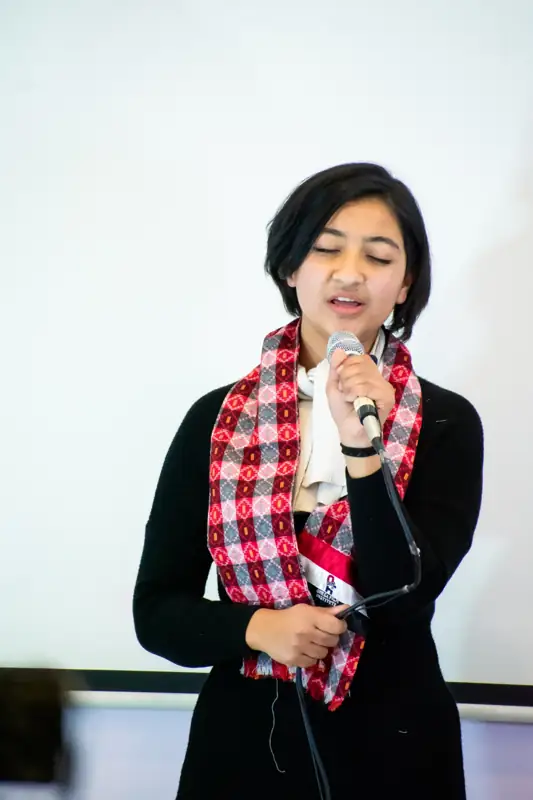
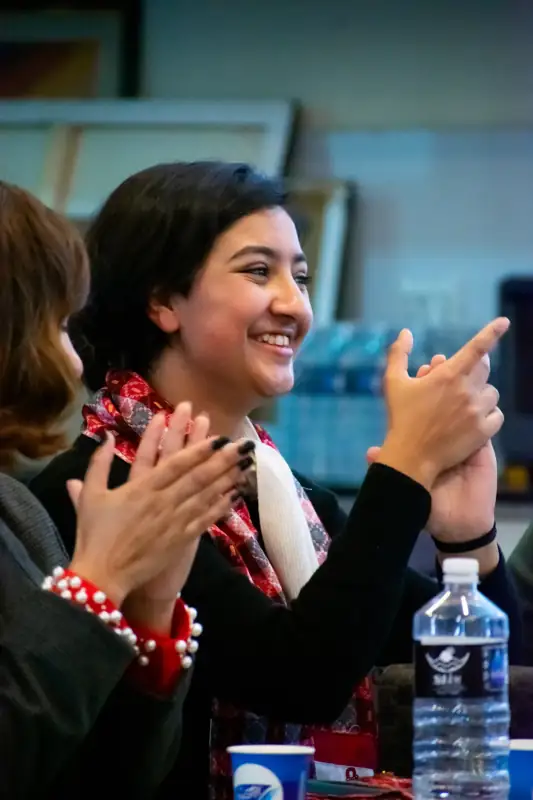
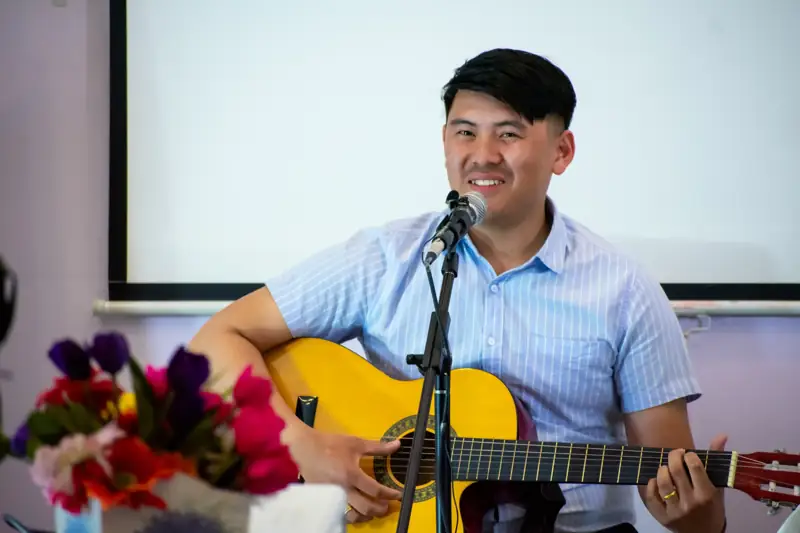
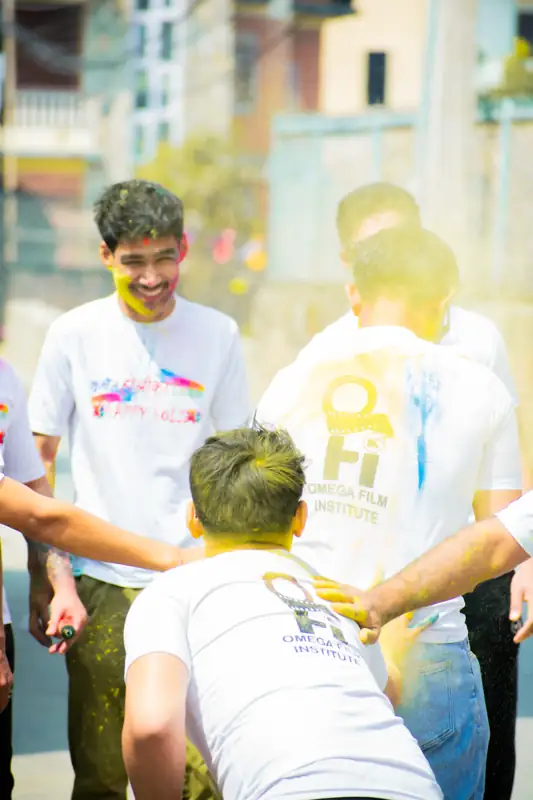
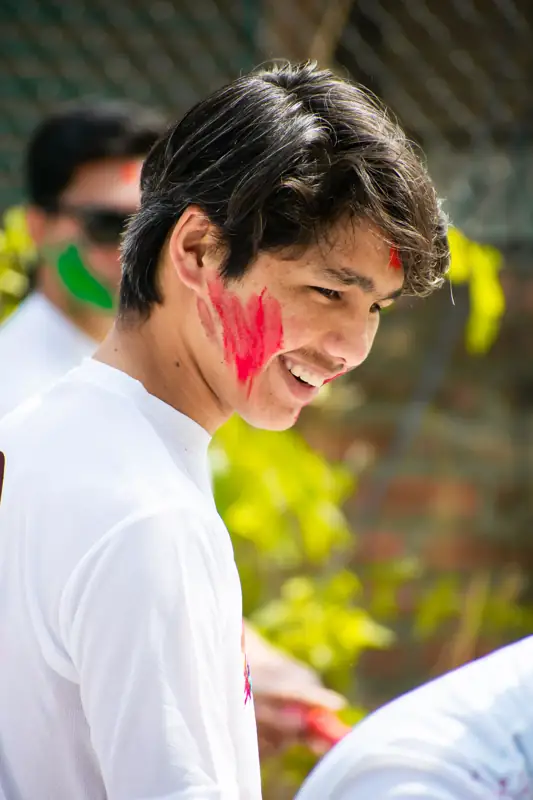
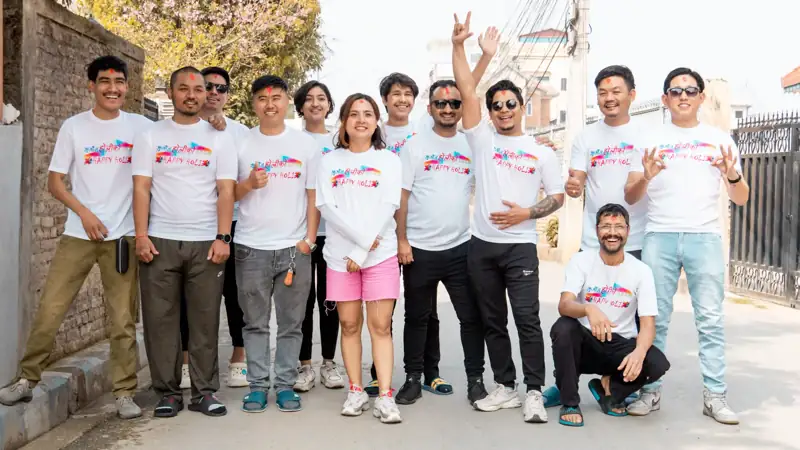
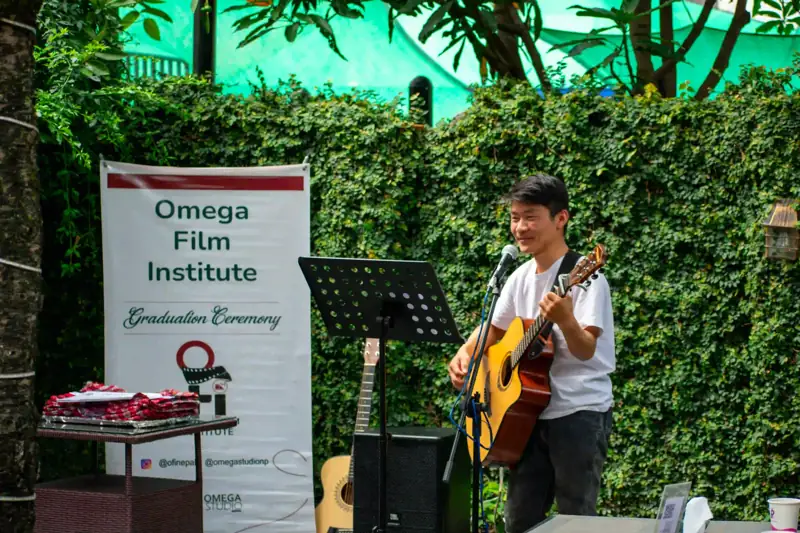
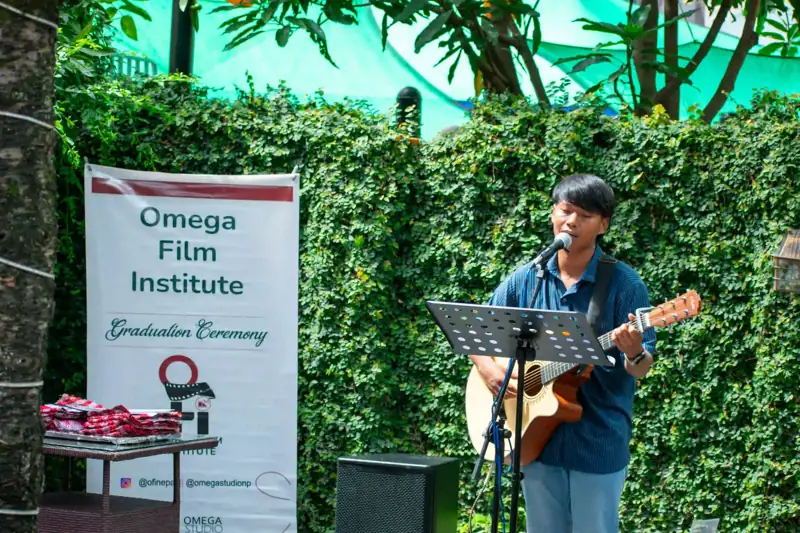
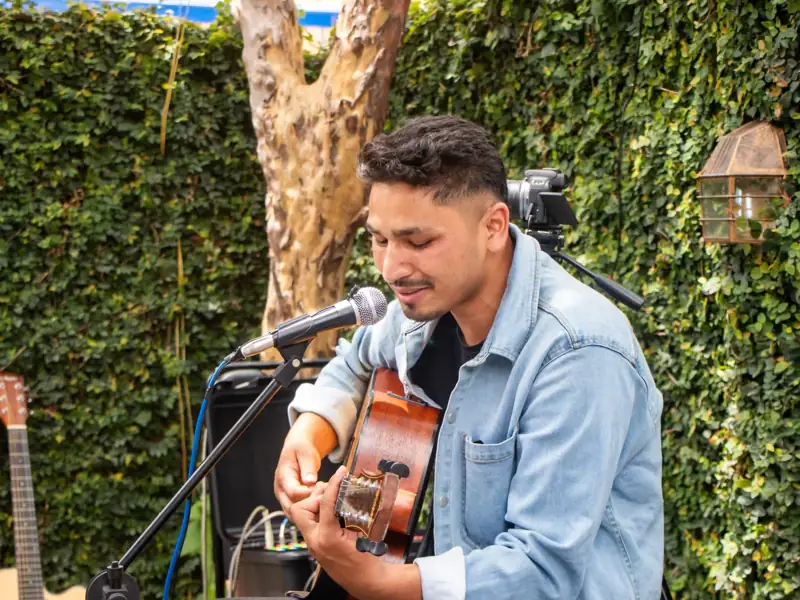
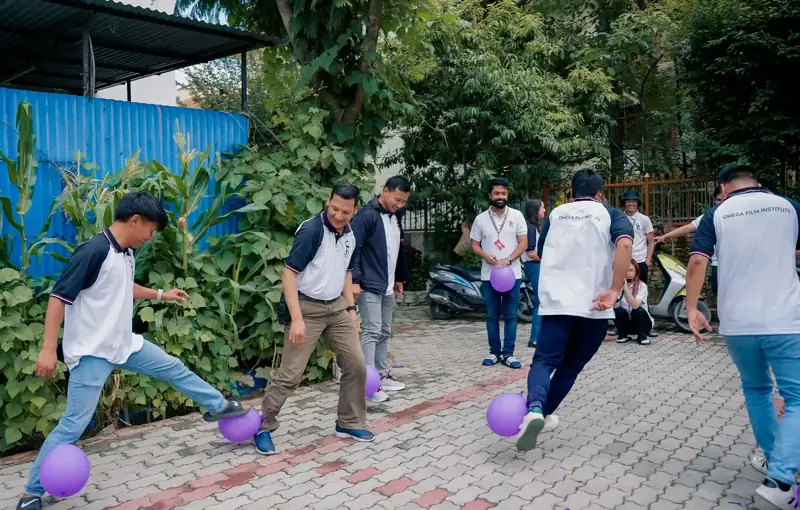
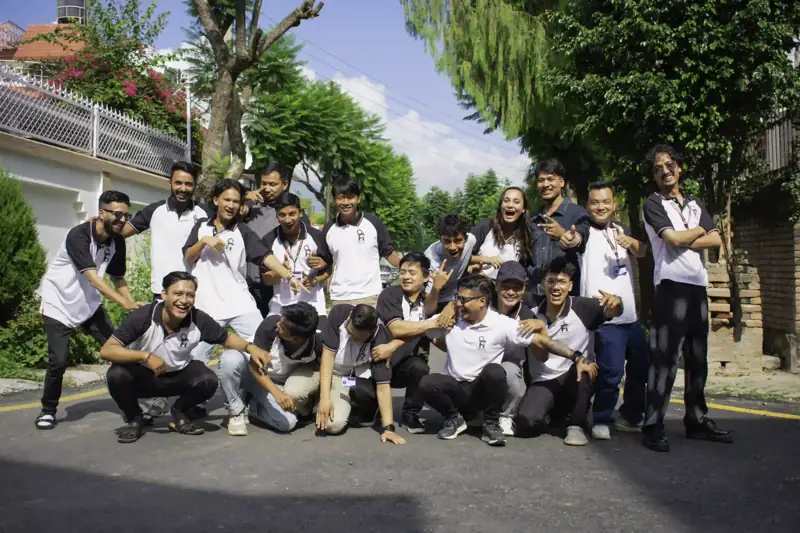
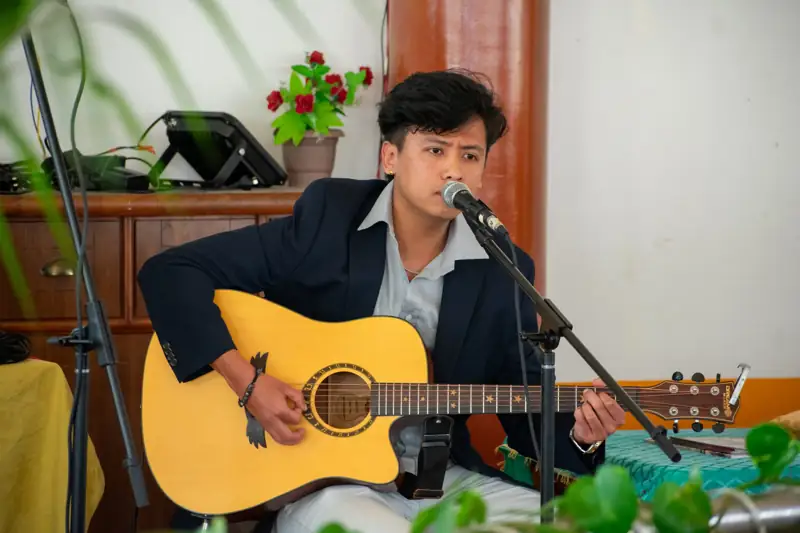
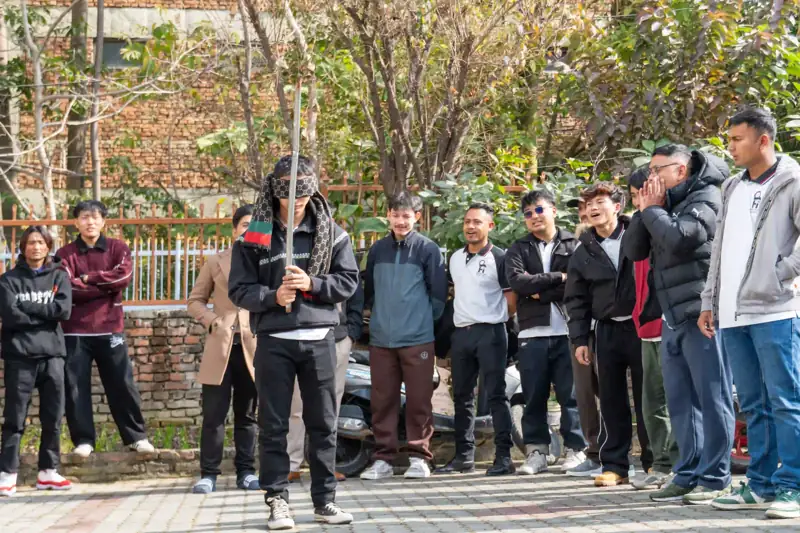
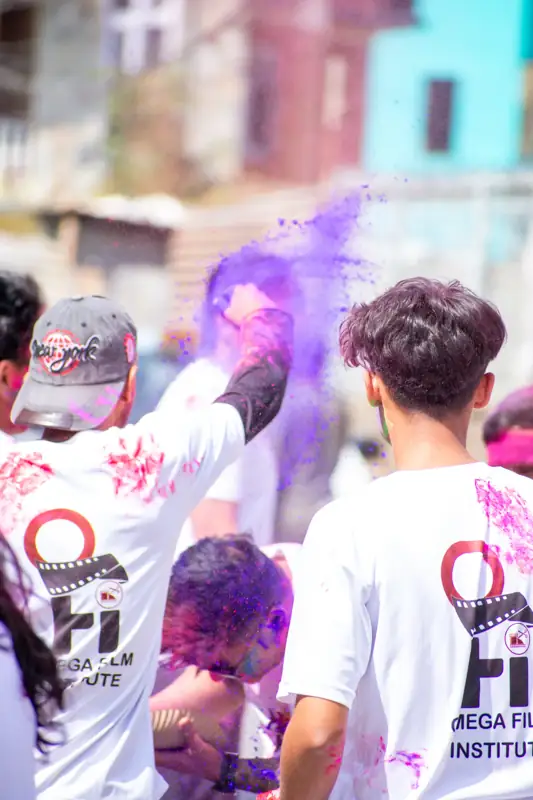
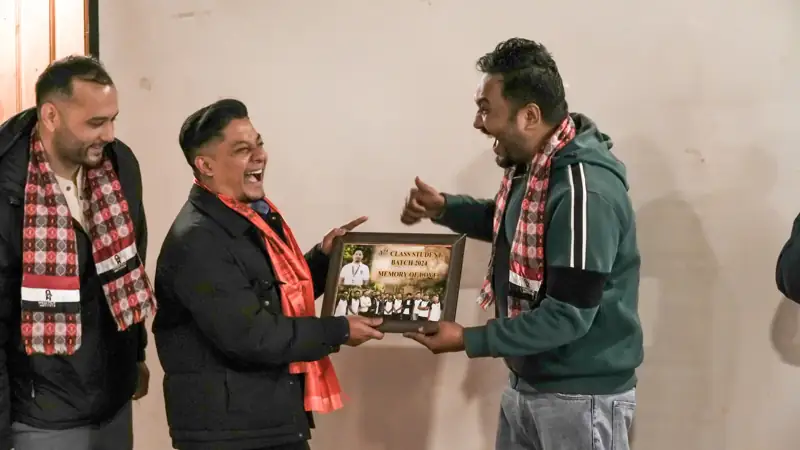
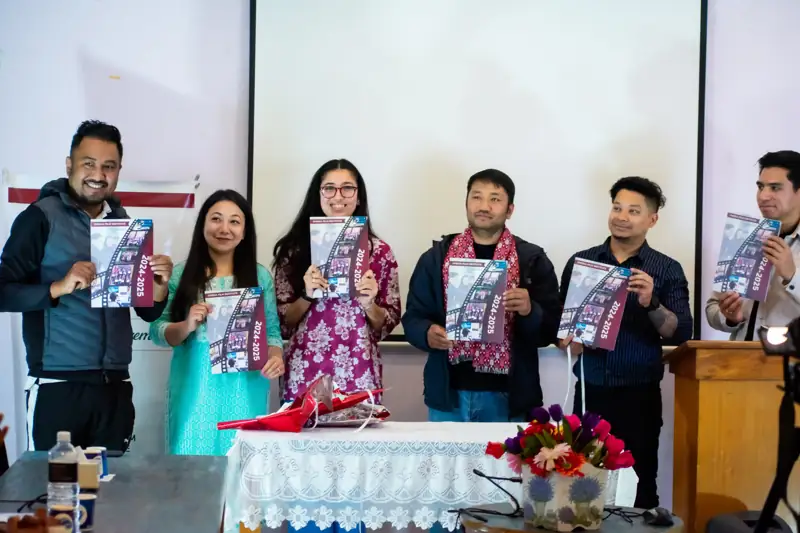
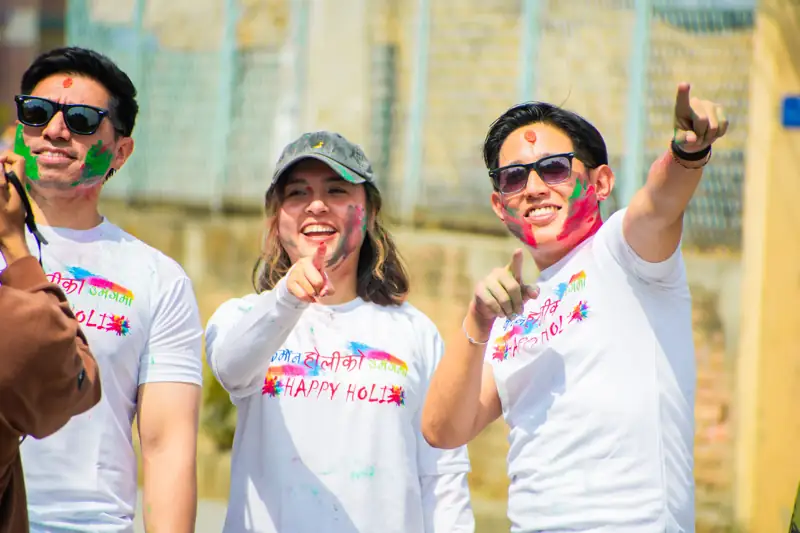
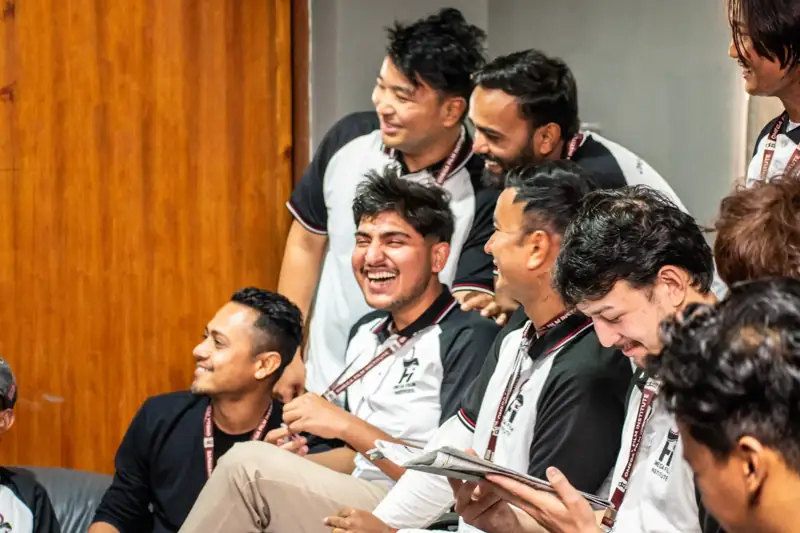
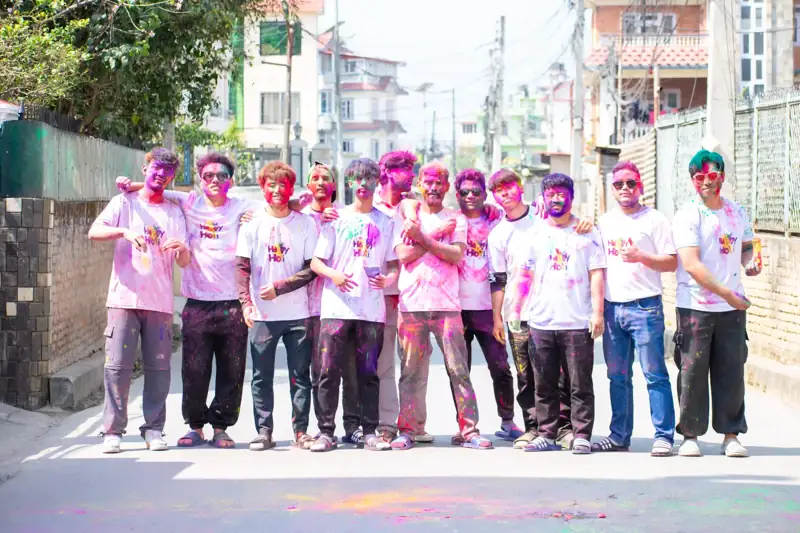
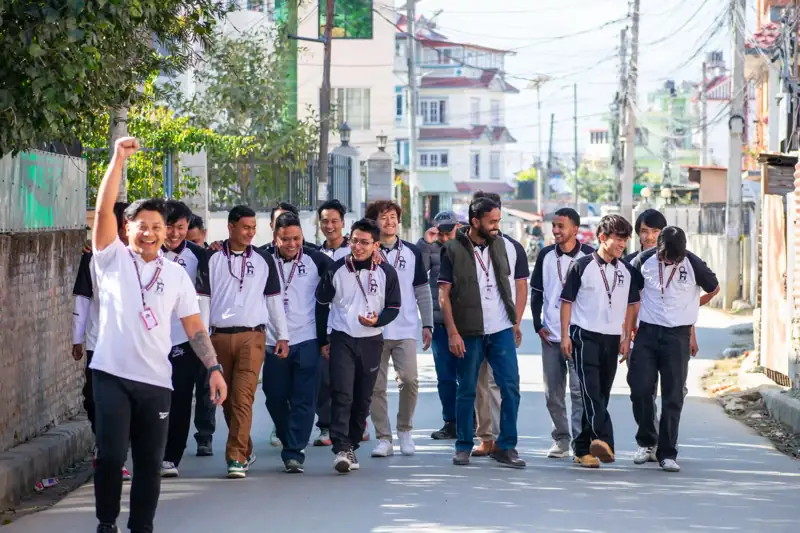
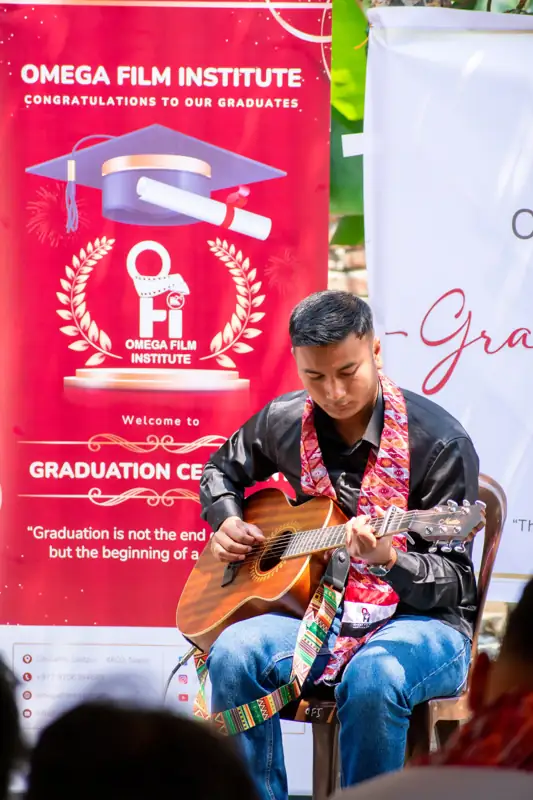
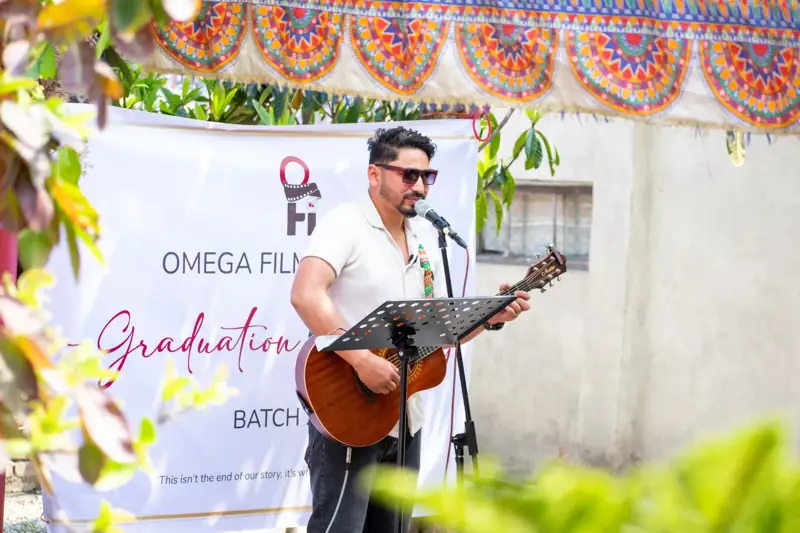
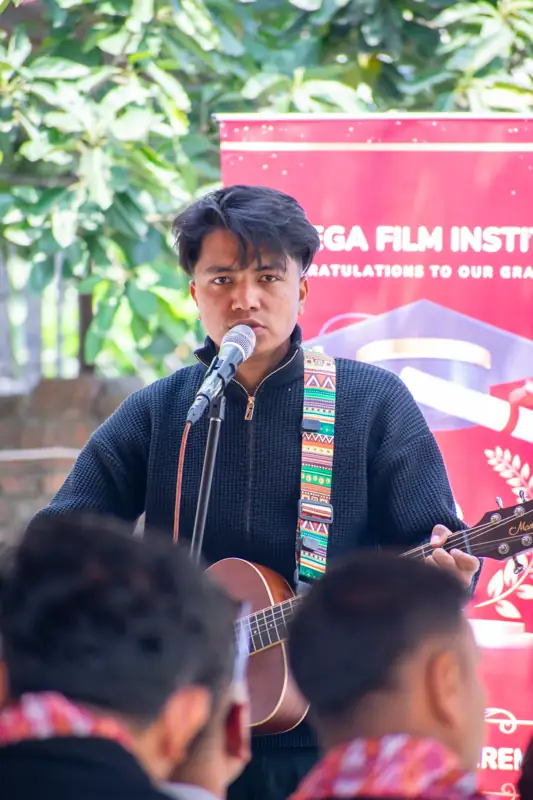
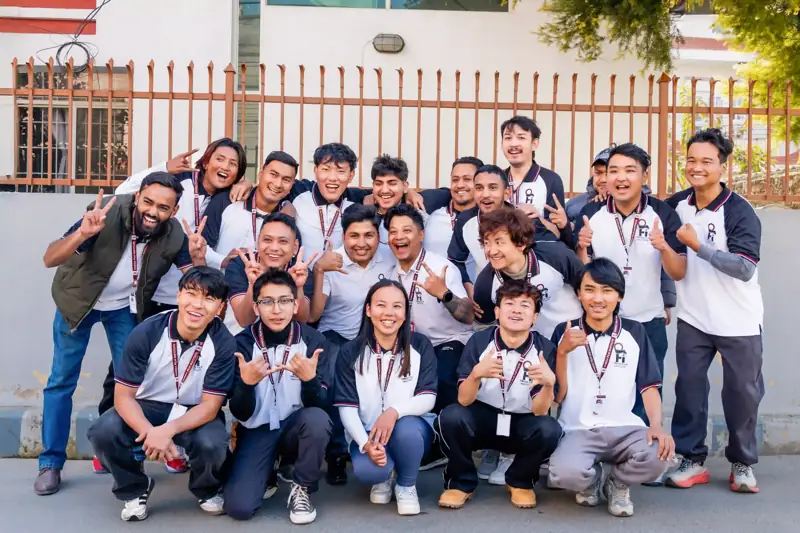
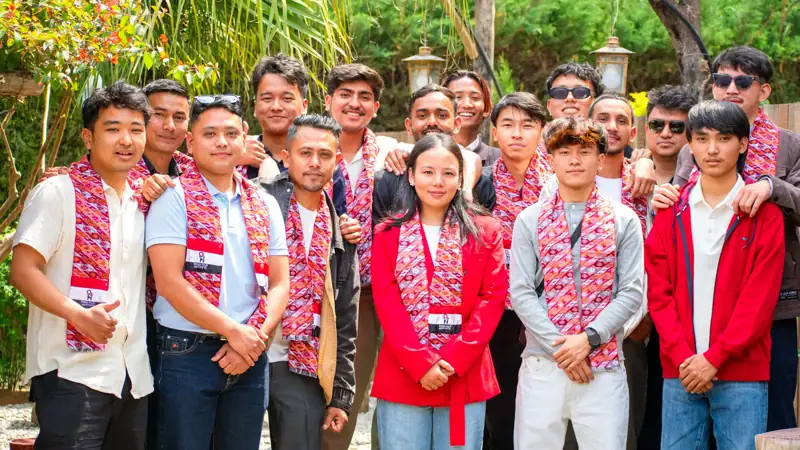
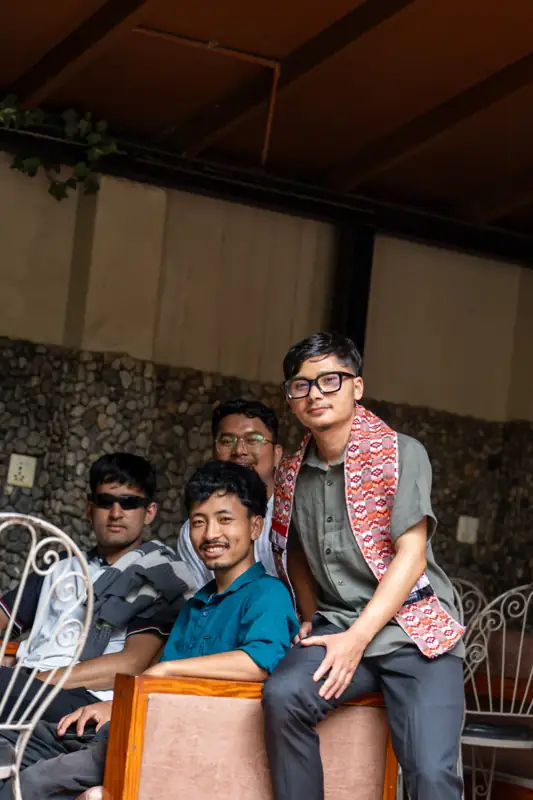
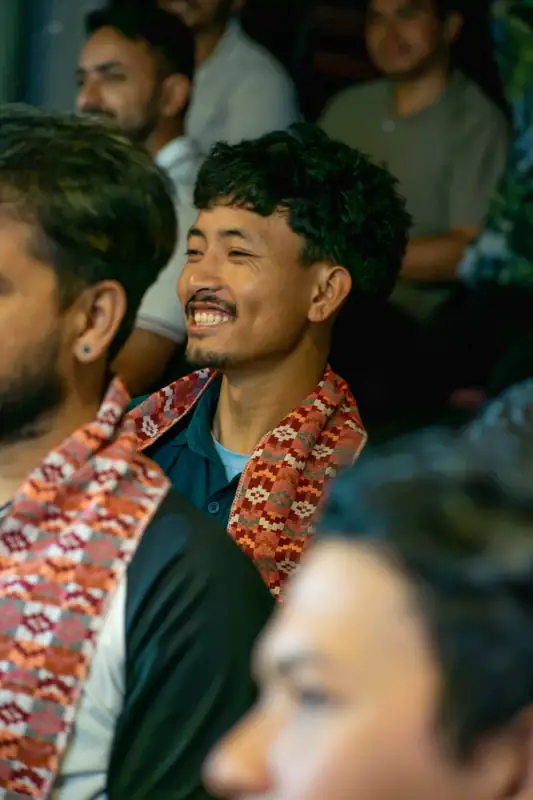
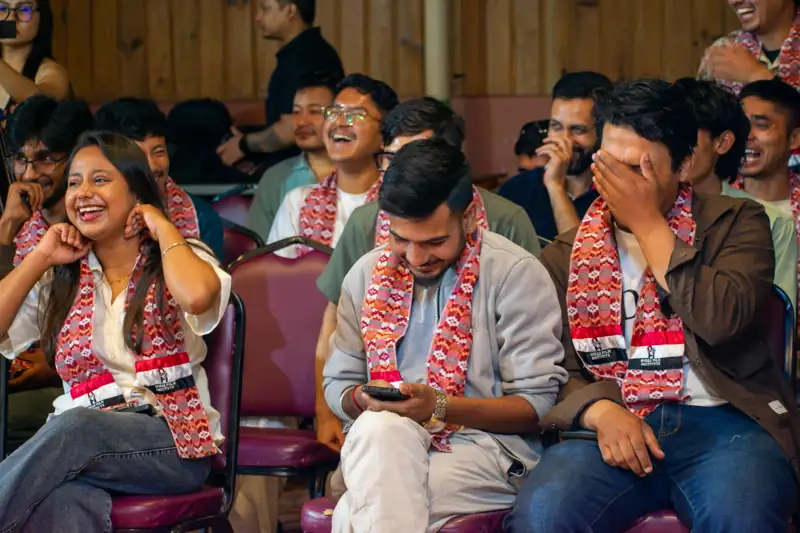
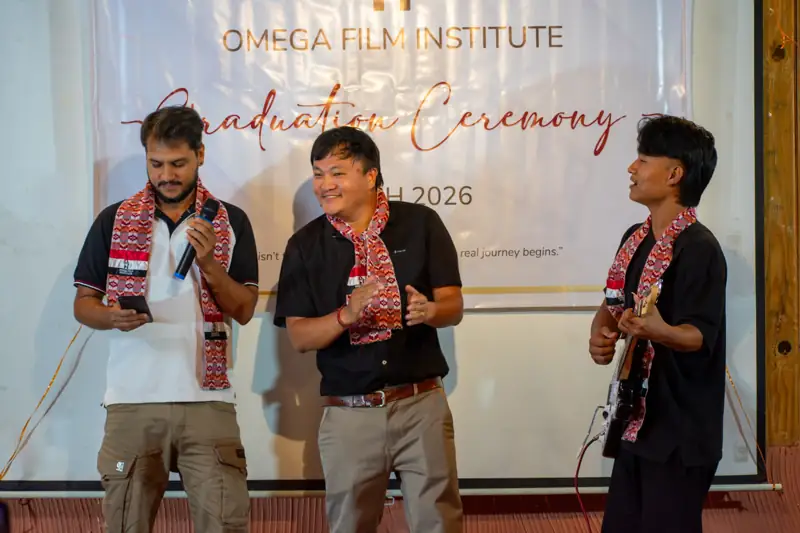
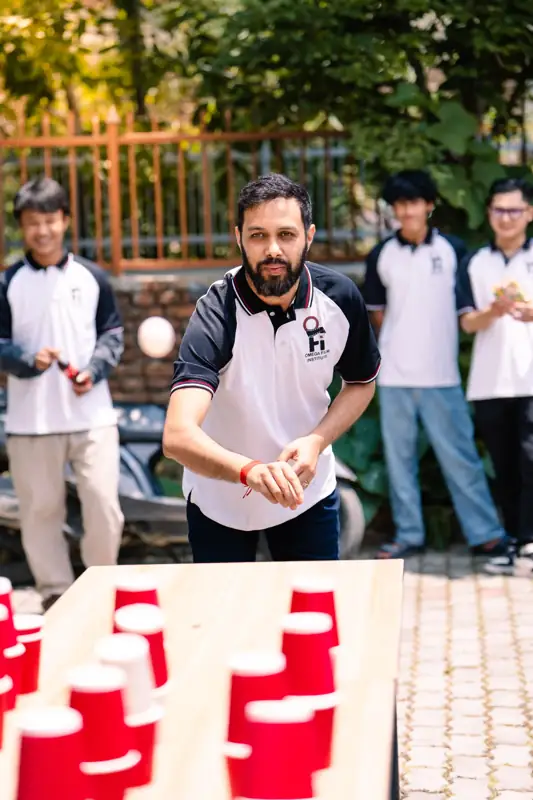
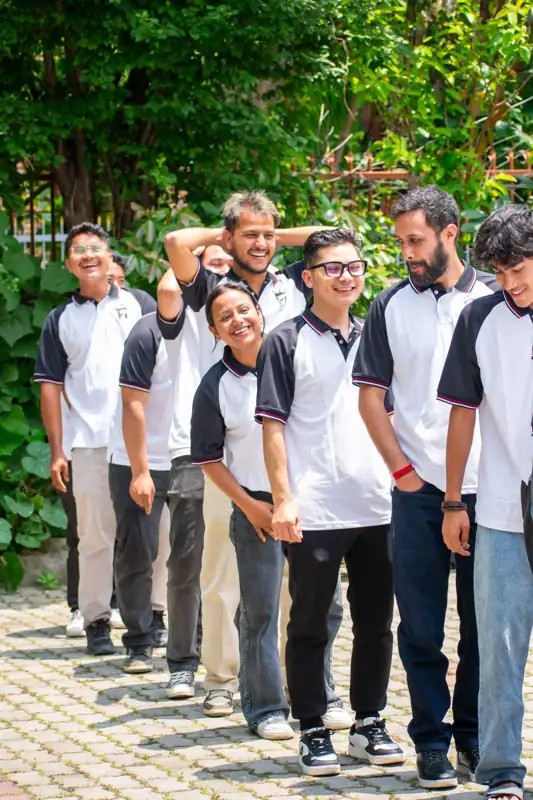
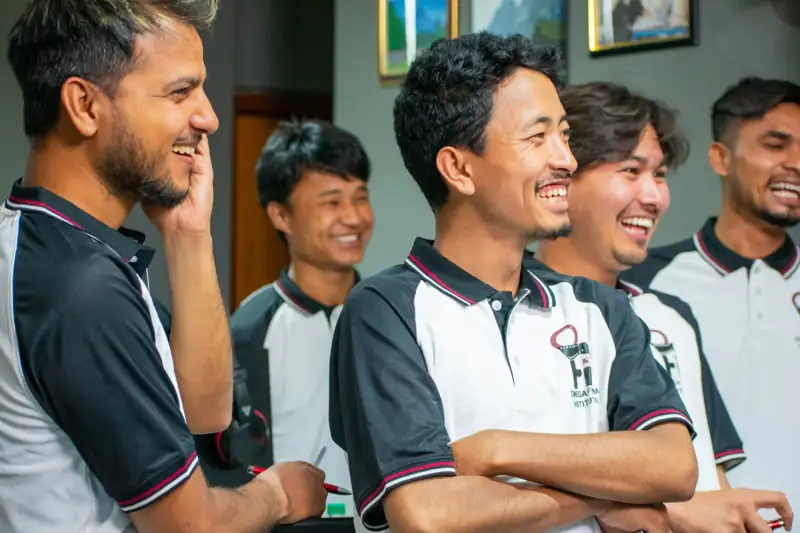
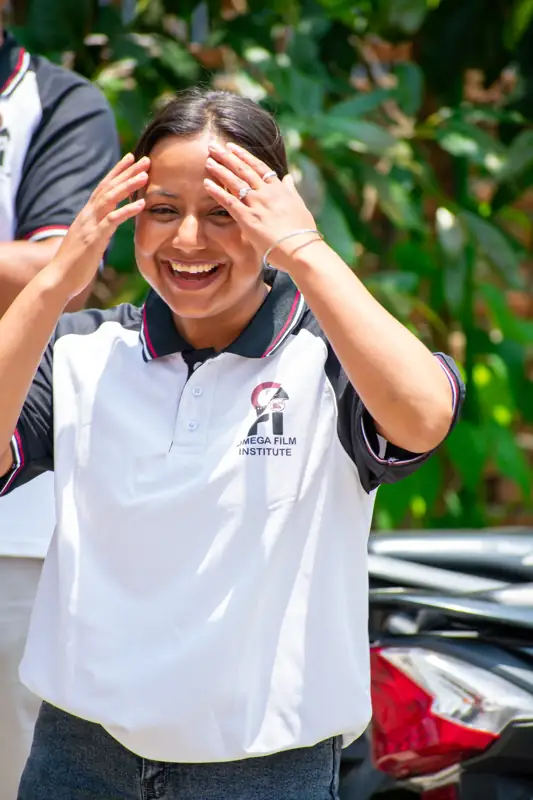
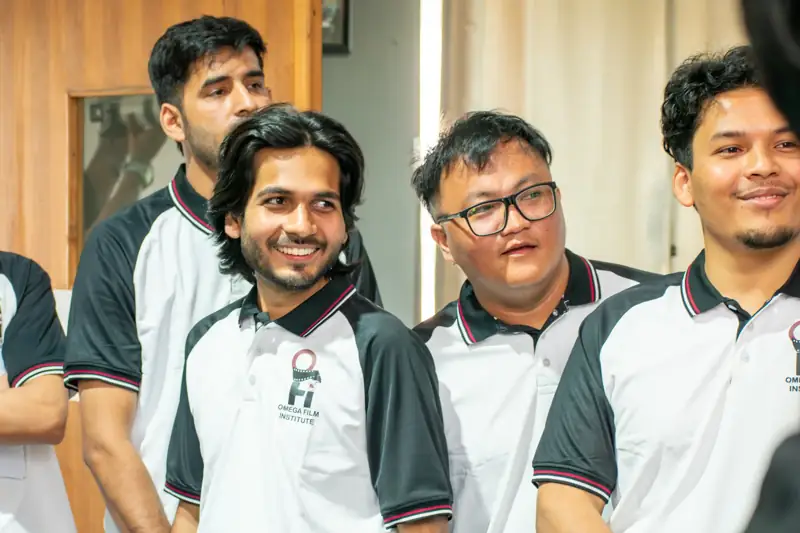
Then there are the days that hold a batch together: Holi celebrated in the courtyard, live music at institute events, farewell programmes, and the shared meals and laughter between classes. We photograph these as carefully as the classes because they matter as much — the friendships in these frames become first crews, first collaborators and, later, the professional network every film career quietly runs on.
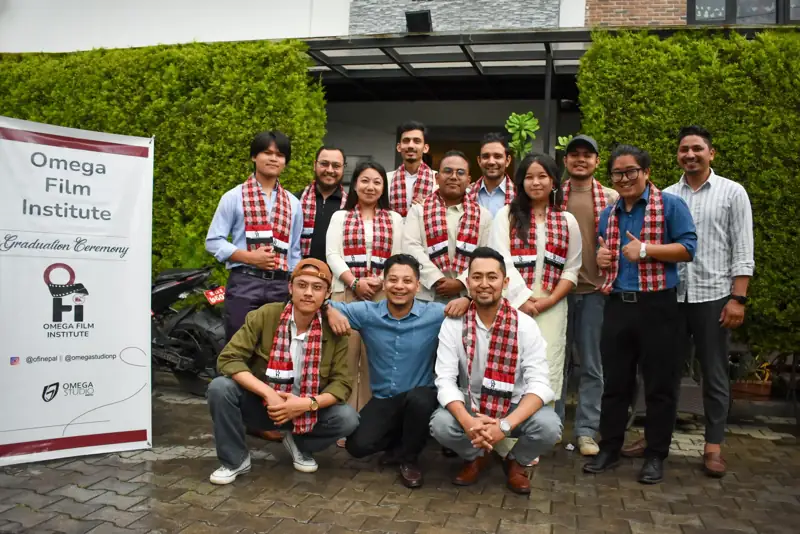
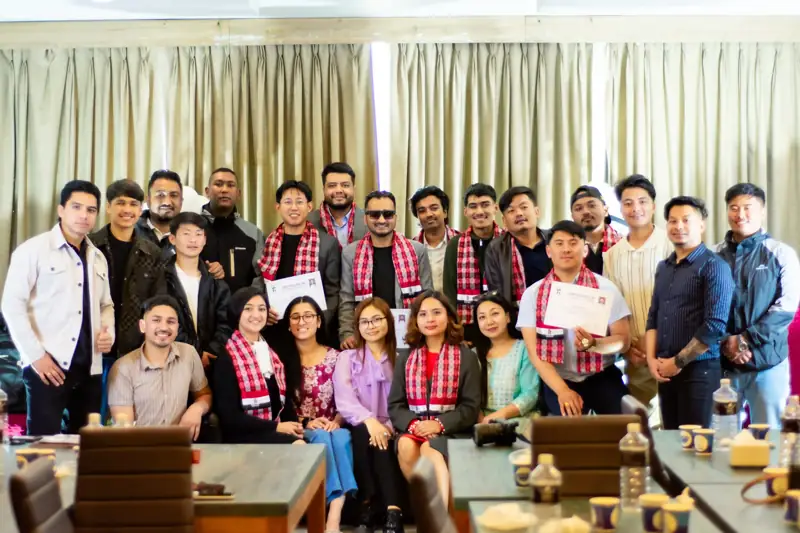
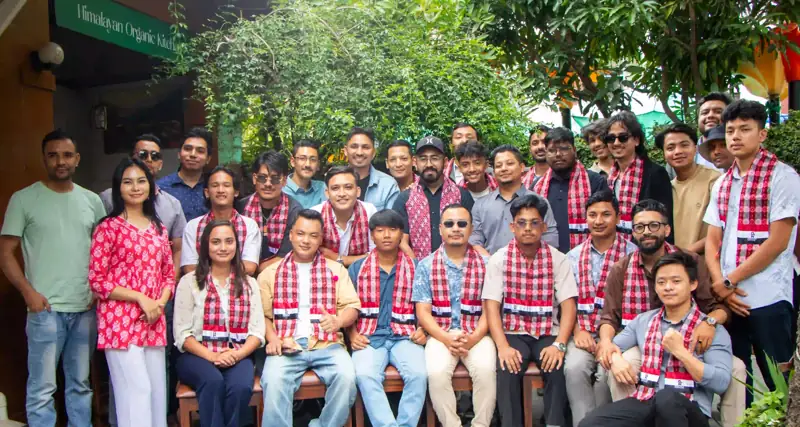
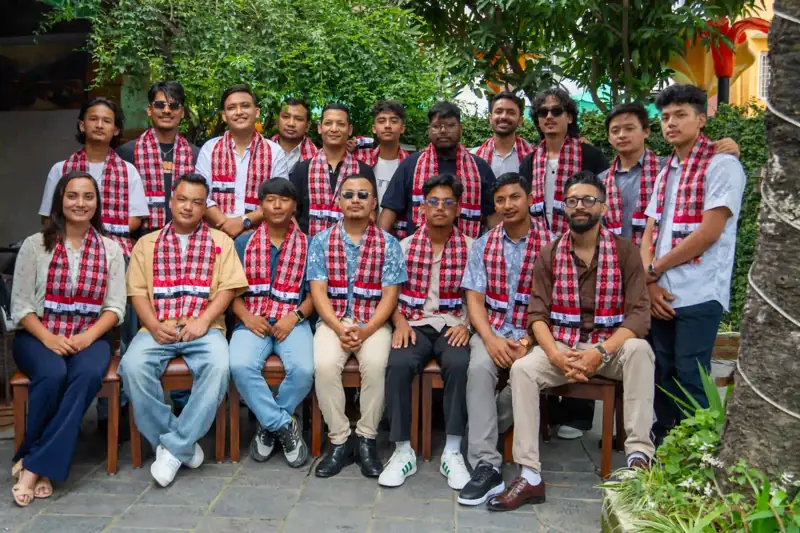
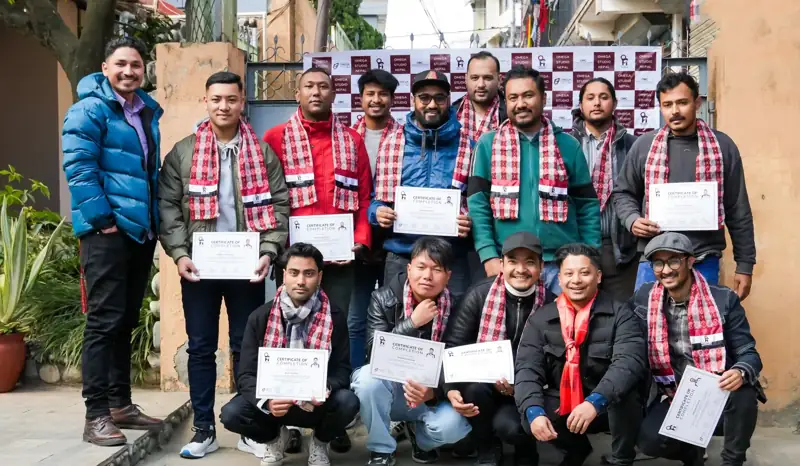
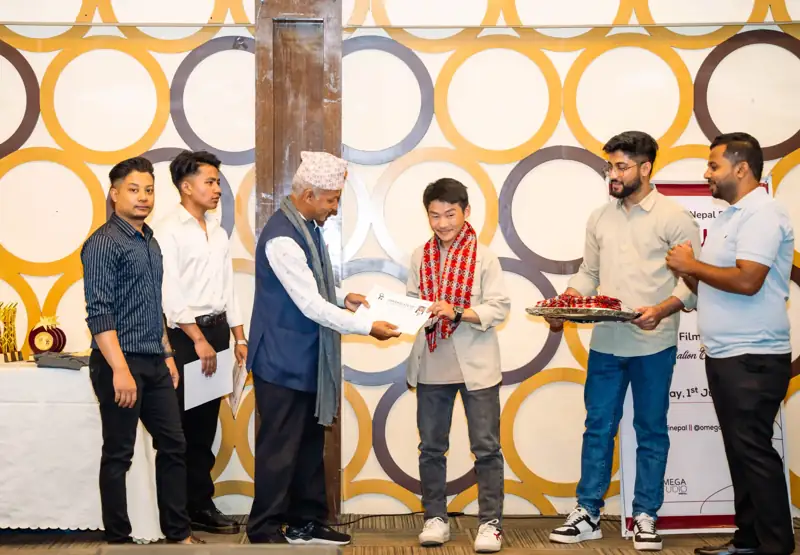
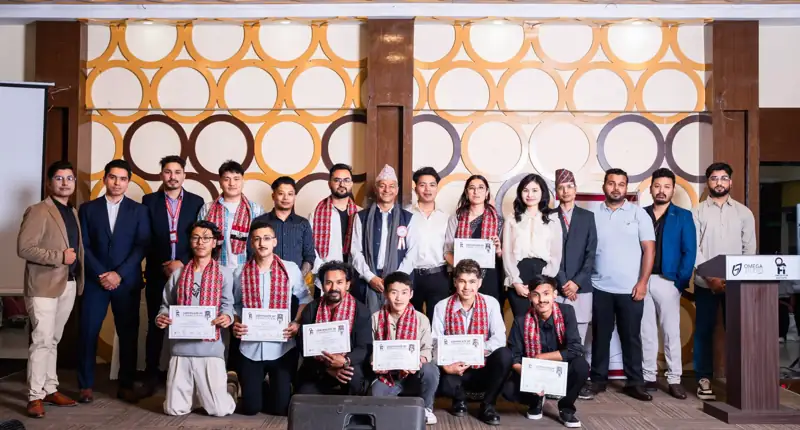
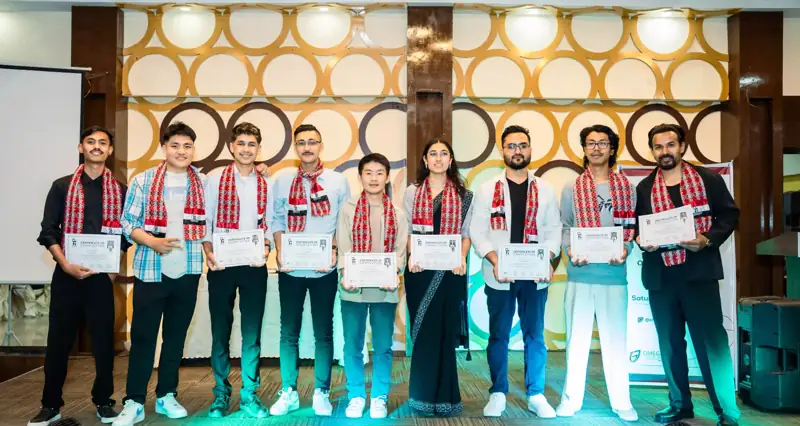
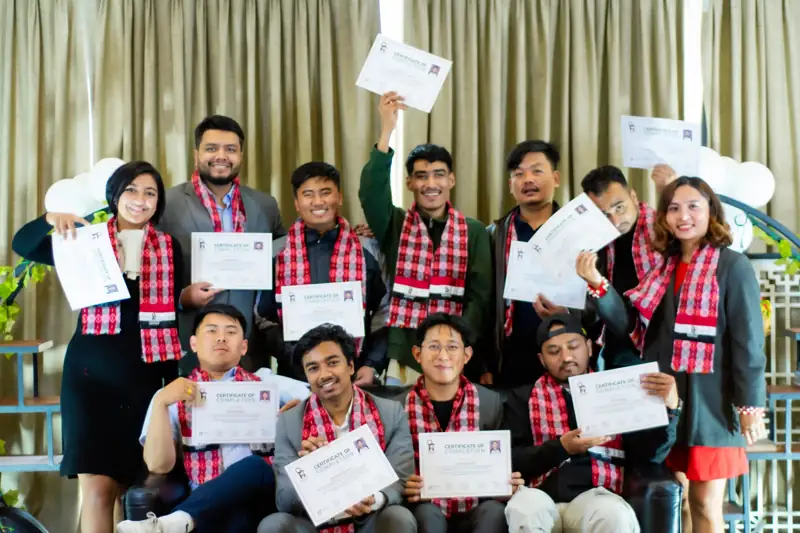
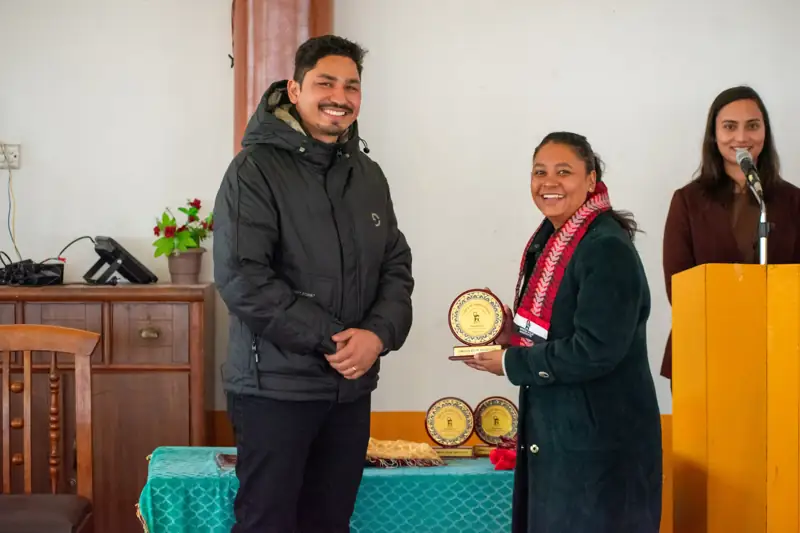
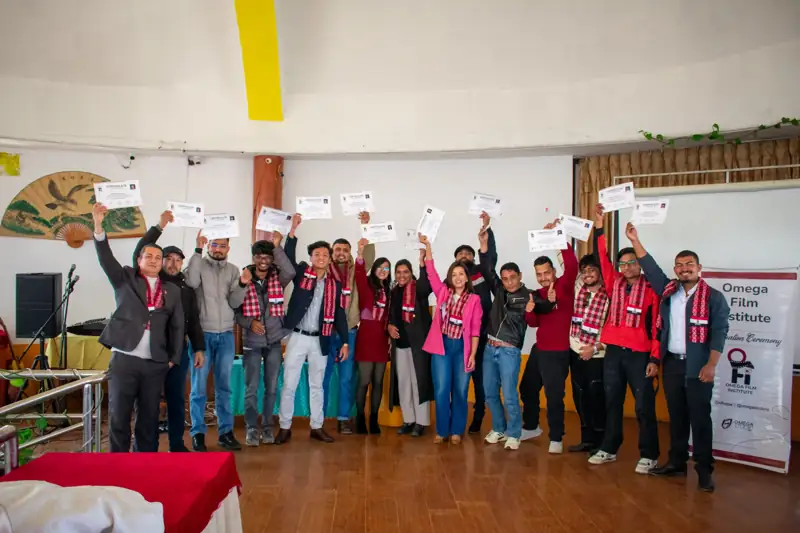
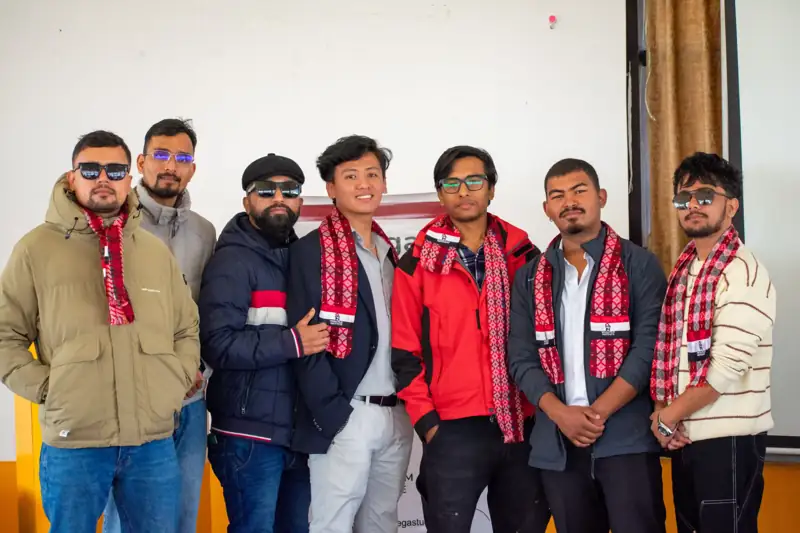
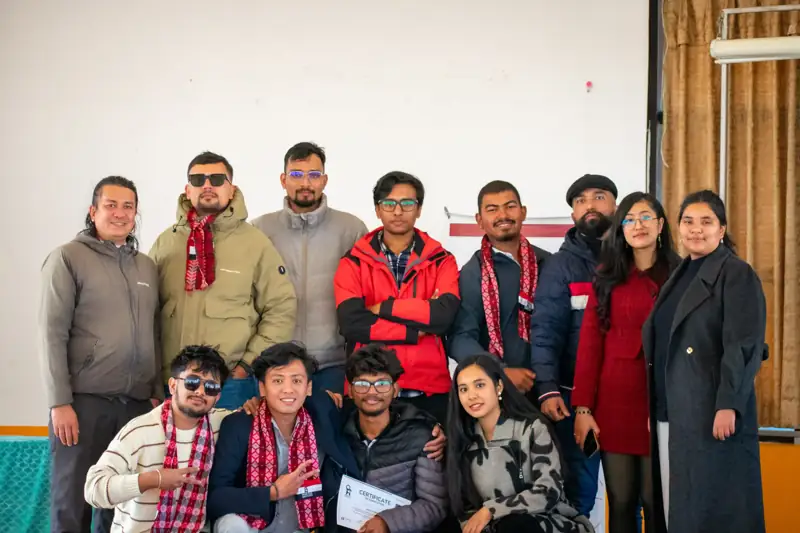
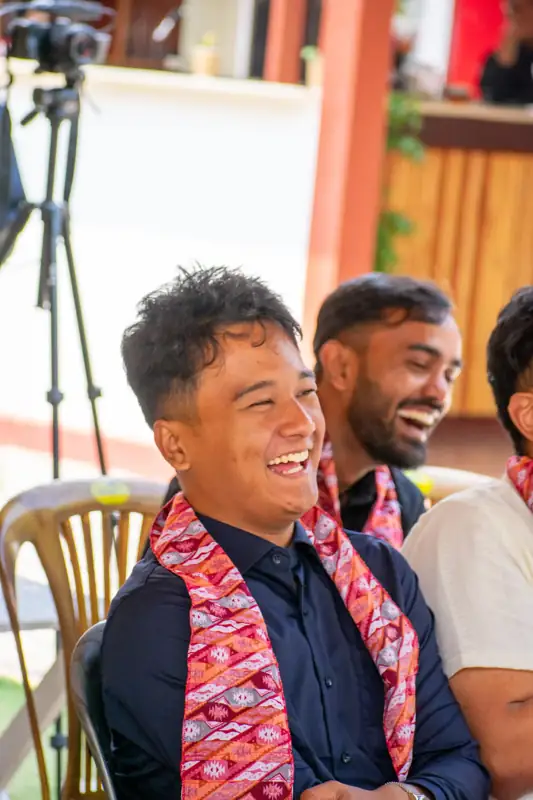
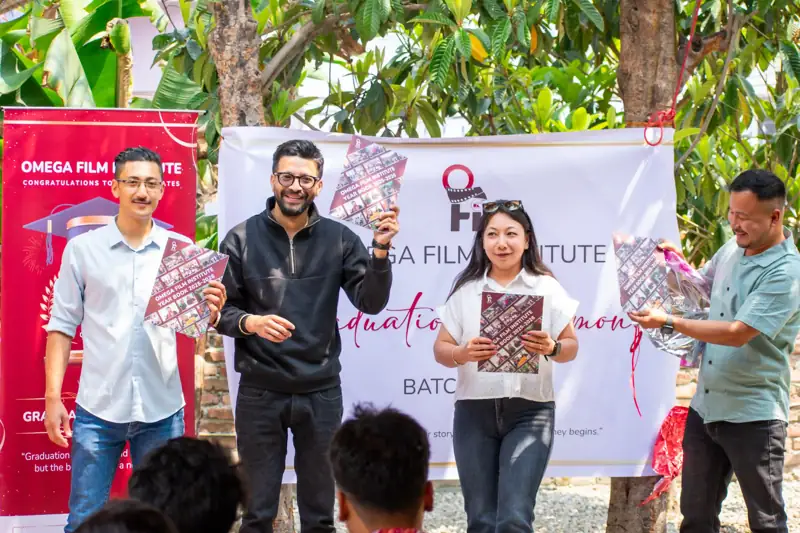
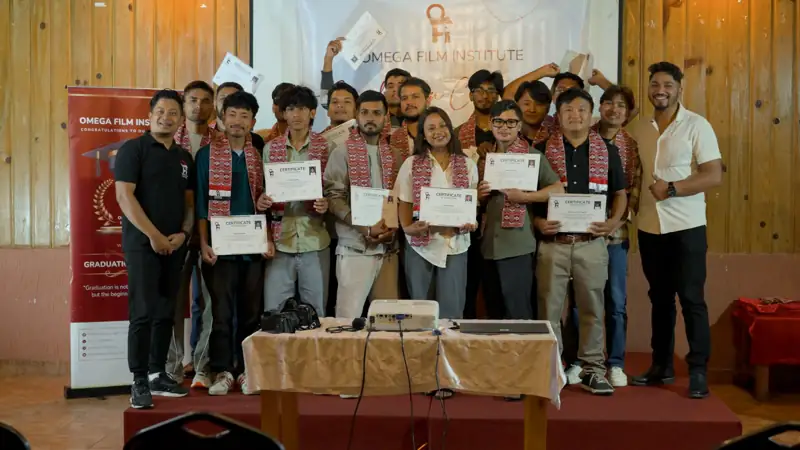
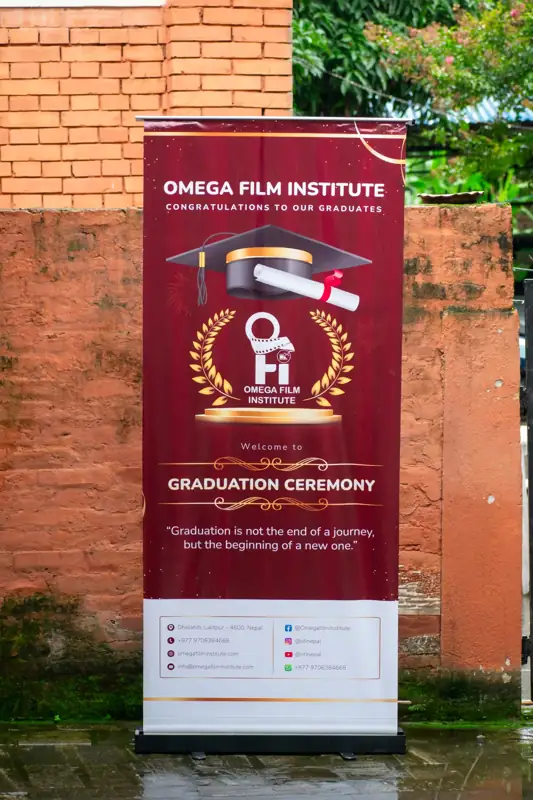
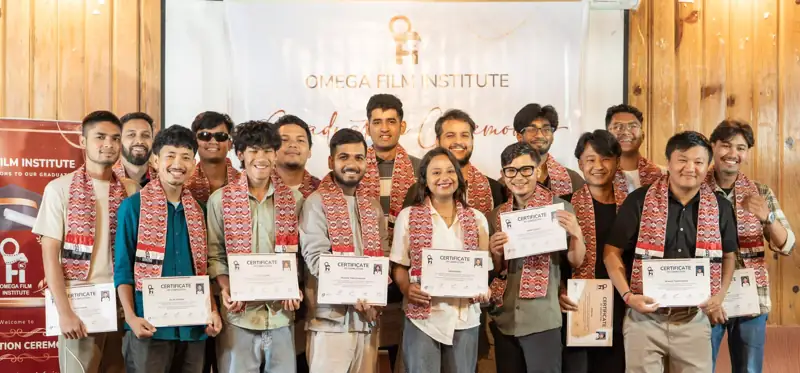
And finally, graduation — certificates, khada and sashes, family photographs, speeches and the screening of showreels that started as first, fumbling exercises months earlier. If you study any graduation photo here, remember that every person in it once stood outside this building wondering whether they could do this. The gallery above is the answer.
A photo guide to the OFI experience
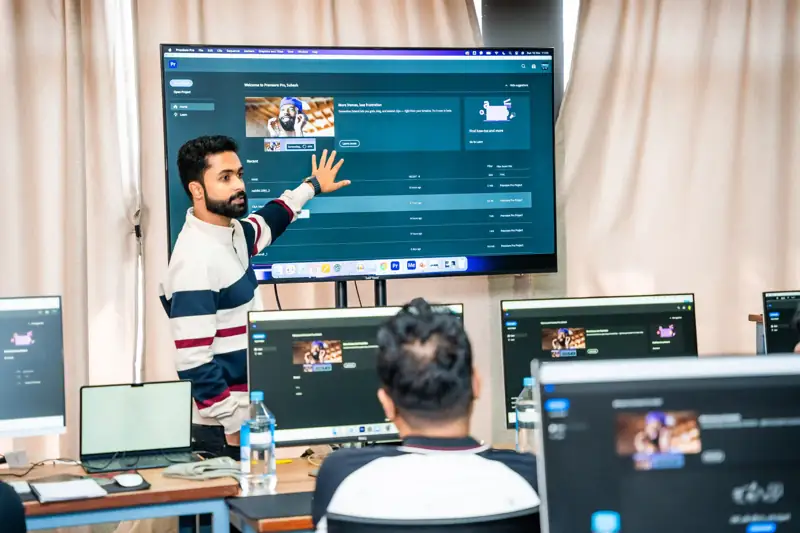
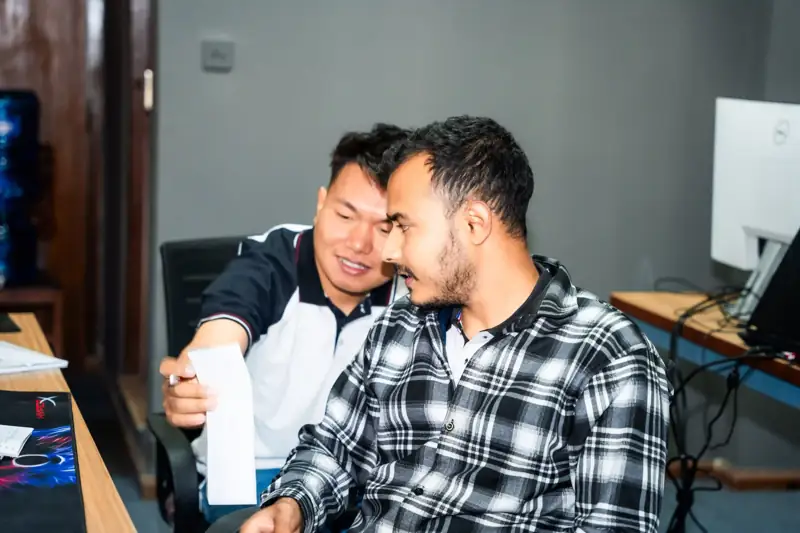
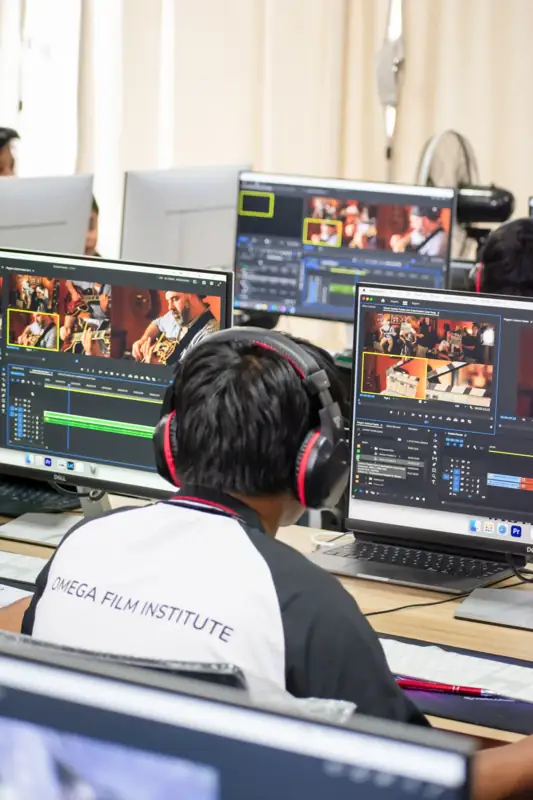
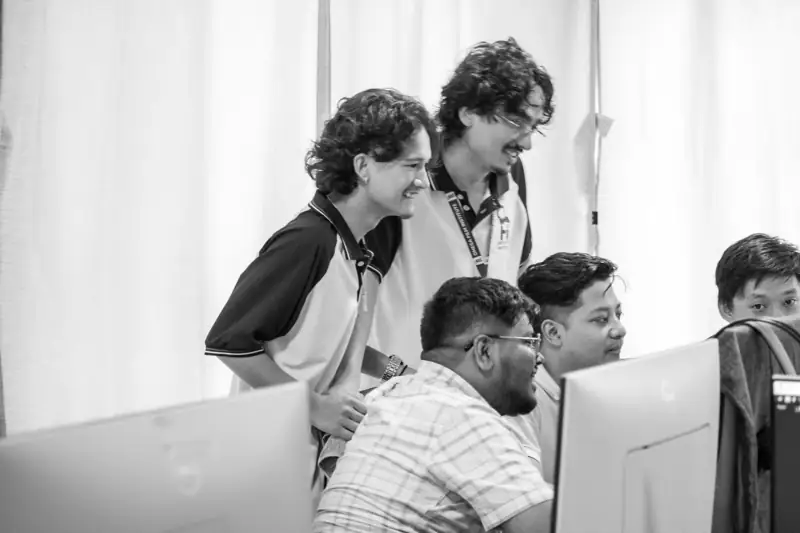
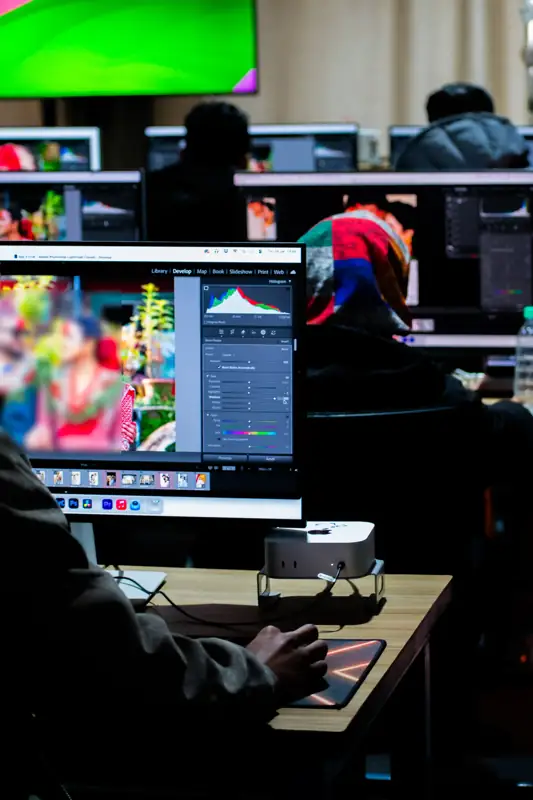
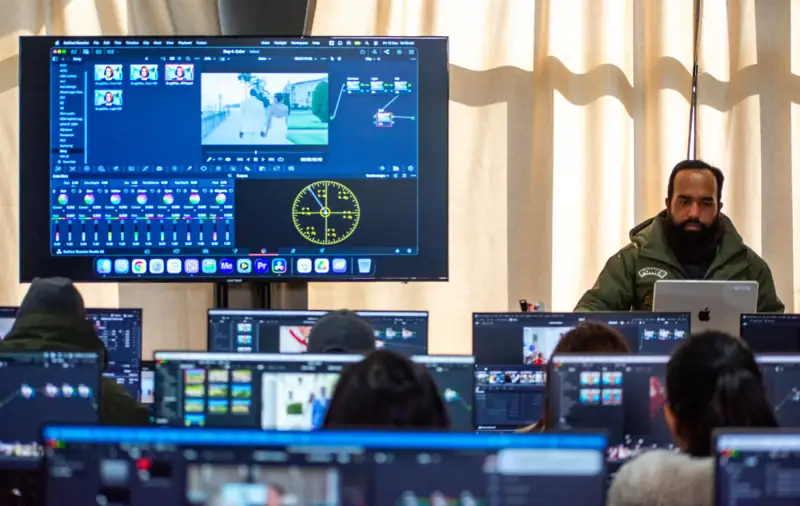
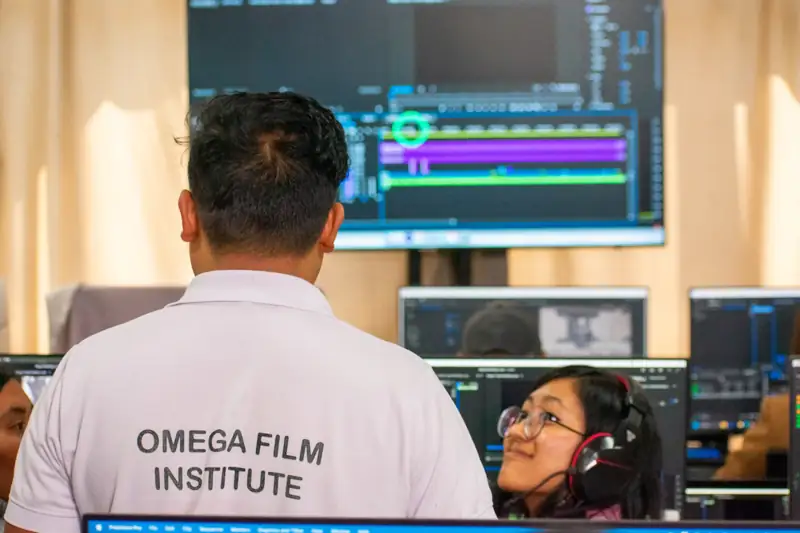
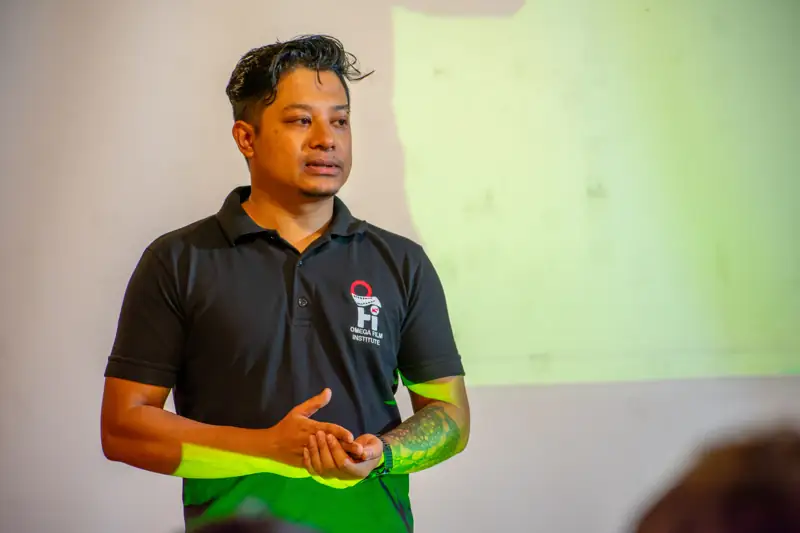
New visitors often ask what these photographs actually show, so here is the guide. The classroom frames are our video editing, Premiere Pro, DaVinci Resolve, colour grading and motion graphics courses in progress — small batches at professional dual-monitor workstations, instructors demonstrating on the big screen, and the review sessions where student work is screened and critiqued in front of everyone. If a photo shows people gathered around a single monitor, that is almost always a critique happening — the single most valuable ritual we run.
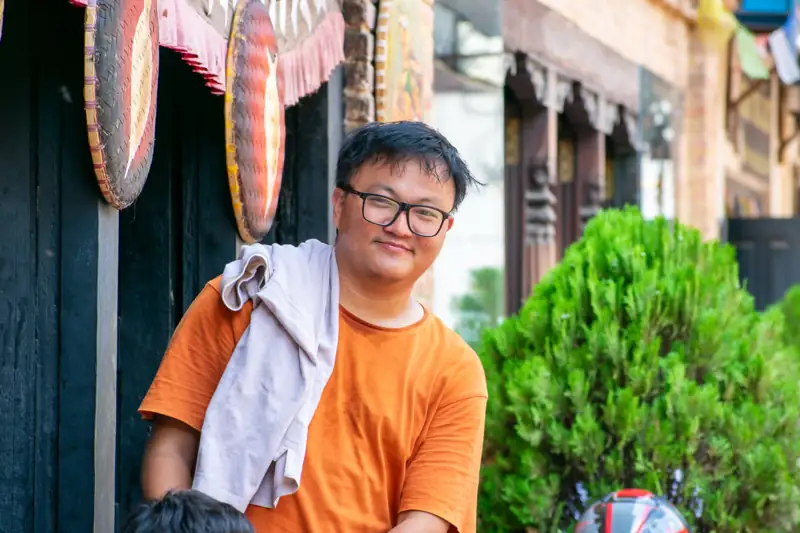
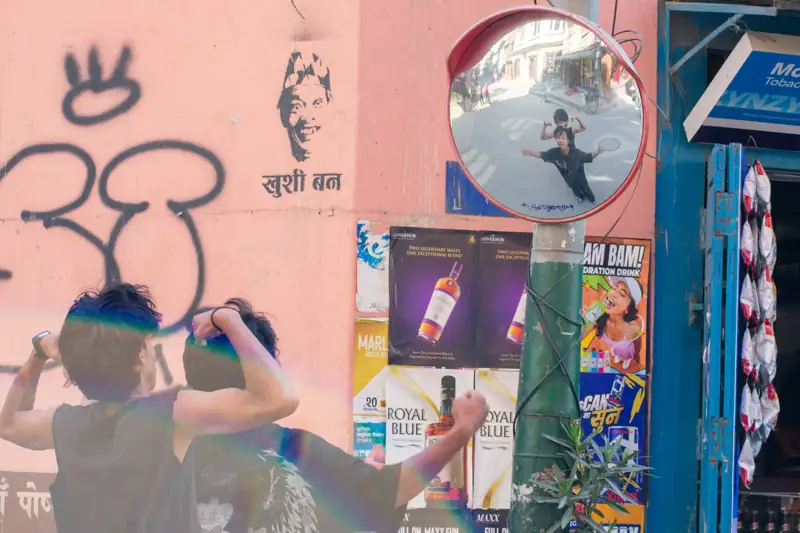
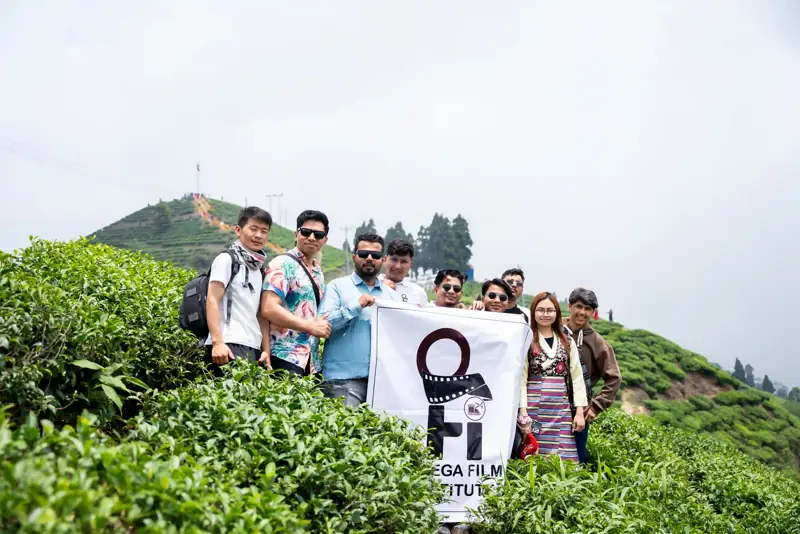
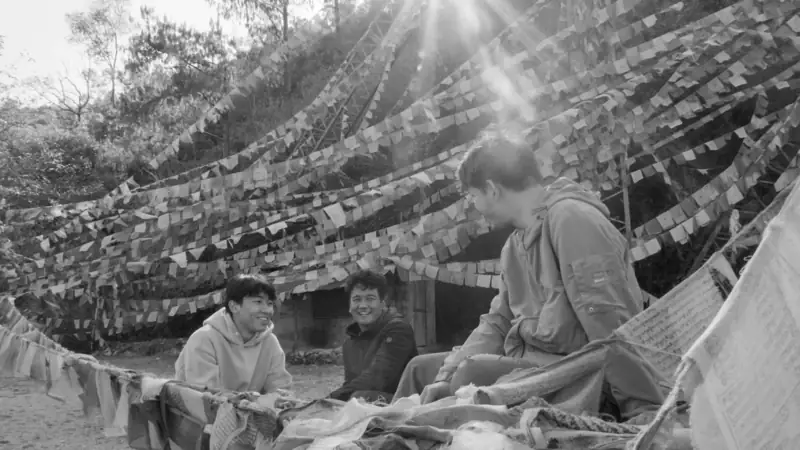
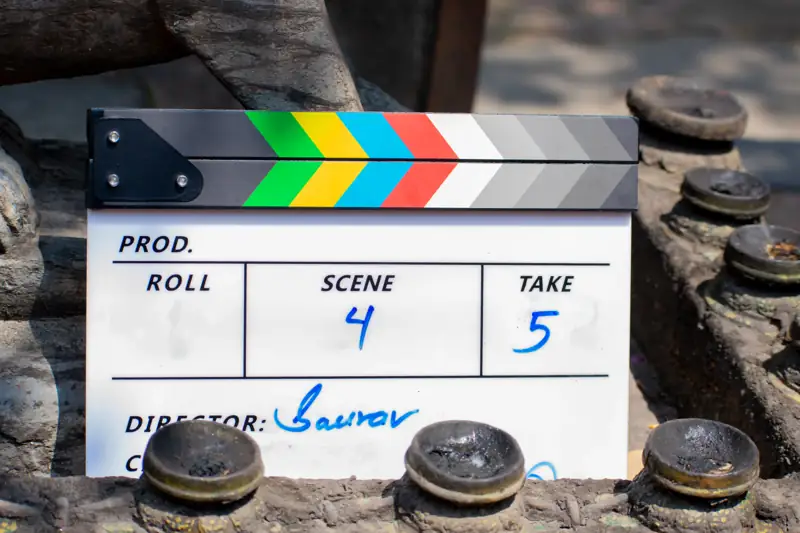
The outdoor frames are cinematography and photography practicals. Students plan a brief, assign crew roles, and take cameras, gimbals, tripods and reflectors into Kathmandu’s streets, courtyards and temples to shoot under real conditions. You will spot focus pullers concentrating, operators mid-move, and the occasional crowd of curious onlookers — all part of the training, because real work never happens in a quiet room.
The celebration frames need less explanation: Holi in full colour, live music at institute events, shared meals, games and farewells. We include them because they are half of what makes an OFI batch work — the trust built here is what turns classmates into crews, and crews into careers.
And the graduation frames close every batch’s story: certificates and sashes, family photographs, speeches, and showreel screenings of work that did not exist a few months earlier. Several hundred students have now passed through these ceremonies across our batches, and their work fills studios, wedding films, advertisements and channels across Nepal and abroad.
A note on the photographs themselves: nearly everything here was shot by our own team and students on the same cameras used in class, which makes this gallery a second, quieter portfolio — the framing, exposure and colour you are scrolling through are themselves examples of what the courses teach. Photography students in particular will recognise the assignments hiding in plain sight: environmental portraits, event coverage, low-light interiors, and street work with moving subjects.
The gallery grows through the year as batches progress — new classroom sessions, new practicals, new celebrations and, every few months, a new set of graduation photographs. Check back between visits, or follow our Instagram where many of these moments appear first alongside student showreels and batch announcements. If you spot yourself here as a former student and would like a full-resolution copy of any photograph, message us and we will happily send it over.
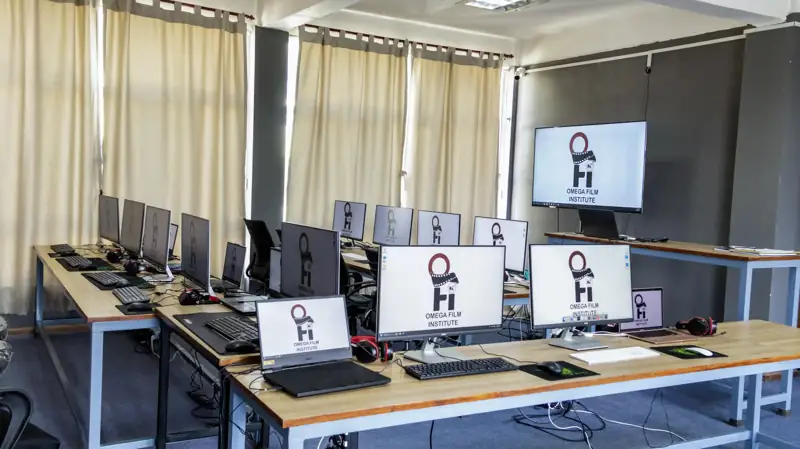
For students weighing up film schools in Nepal, treat this page as evidence rather than advertising. Count the workstations in the classroom frames and you can verify our batch sizes. Look at the screens and you can verify the software — Premiere Pro timelines, DaVinci Resolve node graphs, After Effects compositions — being taught on real projects. Study the practical-shoot frames and you can verify the camera gear, the crew structure and the fact that training genuinely leaves the building. Very few institutes can publish several hundred unstaged photographs of their own teaching; we can, and that is the quiet argument this whole page is making.
However you arrived at this page — a search for film schools in Kathmandu, a friend’s recommendation, or a reel that led you down the rabbit hole — thank you for scrolling this far. Explore our courses, read how admissions work, or simply apply and come visit a class before you decide. The people in these photos all started exactly where you are now, and the next batch’s photographs are not taken yet.